
The time to settle an injury claim can vary significantly depending on numerous factors, making it essential for claimants to understand the overall process. This article provides a comprehensive overview of the personal injury claim timeline, detailing what to expect as you navigate through your case. We will explore the typical settlement timeline, offering insights into how long various stages may take, and discuss strategies to expedite the settlement timeline. Additionally, we will identify common challenges that can impact the injury claim duration, helping you to better prepare for potential roadblocks along the way. With the right knowledge and preparation, you can successfully manage your claim and work towards a fair resolution. For further information on personal injury claims, consider visiting resources such as Nolo or American Bar Association. Through this article, you will gain valuable insights to navigate your injury claim effectively.
Understanding the Time to Settle an Injury Claim
Settling an injury claim is a crucial process that can significantly impact the financial and emotional well-being of those involved. On average, the time to settle an injury claim can range from a few months to several years, depending on various factors. Understanding these factors can help you manage your expectations and navigate the complexities of your case effectively.
Factors Affecting Settlement Timeline
Several elements can influence the time to settle an injury claim, including:
- Complexity of the Case: More complicated cases, involving multiple parties or severe injuries, typically take longer to resolve. Cases requiring extensive medical documentation or expert testimonies can also add to the duration.
- Negotiation Processes: The negotiation phase often determines how quickly a claim is settled. If the insurance company and the claimant cannot agree on a fair settlement amount, it may lead to prolonged discussions or even litigation.
- Legal Requirements: Different jurisdictions have varying legal processes that can affect the timeline. Some states require mandatory mediation or arbitration before proceeding to court, which can extend the injury claim duration.
Typical Injury Claim Duration
While the time to settle an injury claim can vary widely, many personal injury claims are settled within six months to two years. Simple claims, such as minor car accidents, may resolve more quickly, while complex cases, like those involving catastrophic injuries or long-term disabilities, may take longer, sometimes exceeding two years. Understanding the personal injury claim timeline can help individuals plan their finances and medical care more effectively.
To ensure a smoother process, it’s advisable to consult with experienced legal professionals who can provide guidance tailored to your specific situation. Engaging a knowledgeable attorney can help expedite the process and increase your chances of receiving a fair settlement.

The Personal Injury Claim Timeline: What to Expect
Understanding the personal injury claim timeline is essential for anyone pursuing a settlement after an accident. The time to settle an injury claim can vary significantly based on several factors, including the complexity of the case and the willingness of both parties to negotiate. Below, we break down the key phases of the injury claim duration, from initial filing to receiving a settlement offer.
Initial Filing and Investigation
The first step in the personal injury claim timeline involves filing the claim with the relevant insurance company. Following the initial filing, an investigation begins, where both parties gather evidence to support their claims. This evidence may include:
- Medical records
- Police reports
- Witness statements
- Photographs of the accident scene
Proper documentation during this phase is crucial, as it lays the foundation for your case. The thoroughness of this investigation can significantly affect the settlement timeline, as the insurance adjuster evaluates the validity of the claim. It is common for this initial phase to take several weeks to a few months, depending on the complexity of the case and the availability of evidence.
Negotiation and Settlement: How Long Does It Take to Settle an Injury Claim?
Once the evidence has been gathered, the negotiation phase begins. This is where the insurance company will present a settlement offer based on their assessment of the evidence. If the offer is unsatisfactory, you may enter a counter-negotiation phase, which can extend the injury claim duration further. Successful negotiation often requires patience and preparedness; having strong evidence and documentation can lead to a quick resolution.
If both parties cannot agree on a settlement, the case may proceed to court, which can dramatically prolong the time to settle an injury claim. However, many cases settle before reaching this point, thanks to effective negotiation. Being well-prepared and organized can help reduce the overall settlement timeline.
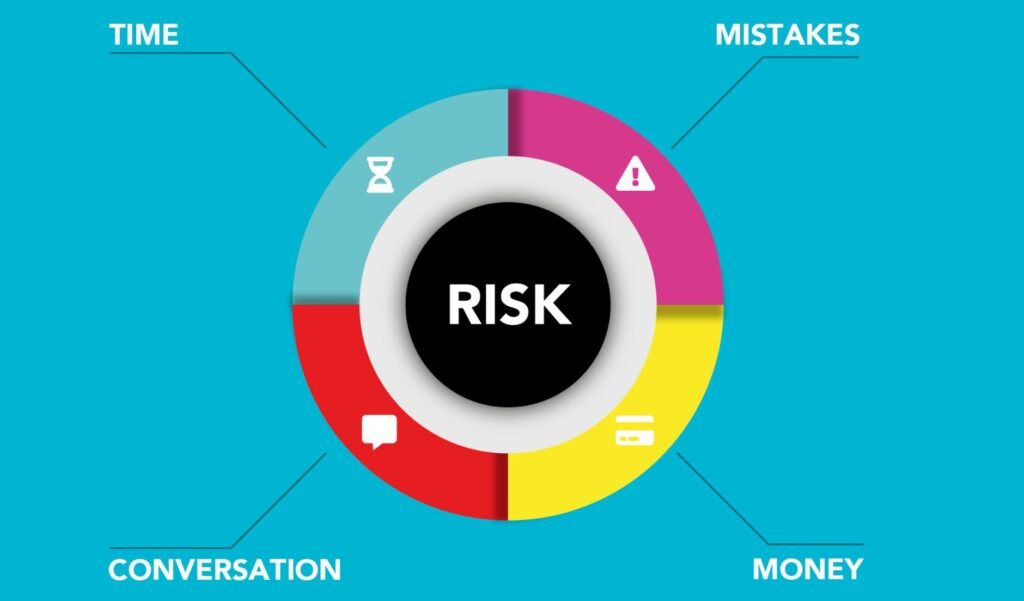
understanding the phases of the personal injury claim timeline can help manage expectations regarding how long it may take to settle your claim. By being diligent in documentation and prepared for negotiation, you can potentially expedite the process.
How to Expedite the Settlement Timeline
Understanding how to expedite the settlement timeline can significantly impact the time to settle an injury claim. By taking proactive steps and collaborating effectively with legal professionals, you can shorten the injury claim duration and achieve a favorable outcome more quickly.
Proactive Steps to Take
To speed up your personal injury claim timeline, it’s essential to actively gather evidence and maintain communication throughout the process. Here are some actionable strategies:
- Document Everything: Collect medical records, police reports, photographs of the incident scene, and witness statements as soon as possible. The more evidence you have, the stronger your claim will be.
- Stay Organized: Keep all documents in a single location and maintain a timeline of events. This will help you and your attorney quickly access necessary information when needed.
- Communicate Promptly: Respond to requests from your attorney and insurance company without delay. Quick responses can prevent unnecessary delays in the claims process.
Working with Legal Professionals to Shorten the Time to Settle Injury Claim
Engaging experienced legal professionals can significantly shorten the injury claim duration. A skilled attorney understands the intricacies of the claims process and can help you navigate it effectively:
- Expert Guidance: Your attorney can advise you on the best evidence to gather and the correct procedures to follow, helping to streamline your claim.
- Negotiation Skills: Lawyers have the expertise to negotiate settlements with insurance companies efficiently, potentially accelerating the resolution of your case.
- Litigation Readiness: If negotiations stall, your attorney can prepare to take your case to court, which can motivate insurers to settle more quickly.
By following these strategies and collaborating closely with your attorney, you can effectively reduce the time to settle your injury claim and move forward with your life.

Common Challenges in the Injury Claim Duration
When navigating the time to settle an injury claim, several challenges can cause delays and complications. Understanding these common issues can help claimants prepare and strategize effectively.
Delays and Complications
One of the primary hurdles that can extend the injury claim duration is disputes over liability. When parties involved disagree on who is at fault for the accident, negotiations may stall. This often requires additional evidence gathering and possibly even legal action, which can significantly slow down the settlement process.
Another common delay arises during insurance negotiations. Insurance companies may take their time to evaluate the claim, often leading to prolonged discussions regarding settlement amounts. Claimants might also experience delays in obtaining necessary medical documentation, which is crucial for establishing the extent of injuries and their related costs. Incomplete or delayed medical records can push back the entire personal injury claim timeline.

Understanding Insurance Company Tactics
Insurance companies often employ tactics to prolong the settlement process. For instance, they may request additional information or documentation, which can lead to lengthy back-and-forth communications. They might also offer low initial settlements, hoping that claimants will accept them out of frustration or urgency, thereby extending negotiations. By understanding these tactics, claimants can better navigate the complexities of their claims and avoid unnecessary delays.
Ultimately, being aware of the challenges and tactics at play can empower claimants to take proactive steps toward a timely resolution of their claims. For more information on specific strategies to expedite your claim, consider consulting a legal expert or an experienced personal injury attorney. Understanding the Injury Claim Process: What to Expect
Conclusion: Navigating Your Injury Claim Effectively
Understanding the time to settle an injury claim is crucial for anyone involved in a personal injury case. The duration of an injury claim can vary significantly based on numerous factors, including the complexity of the case, the extent of injuries, and the willingness of both parties to negotiate. Understanding these factors can help you manage your expectations and plan your next steps effectively.
Various elements contribute to the overall settlement timeline, such as the need for medical assessments, negotiations with insurance companies, and potential legal proceedings. For instance, cases that require extensive medical documentation or involve multiple parties may take longer to resolve. Being aware of these aspects can prepare you for the injury claim duration you might face.
To navigate your claim effectively, it is advisable to take proactive measures. Gather all relevant documentation, maintain open communication with your attorney, and avoid rushing the process. A well-prepared claimant is often in a better position to negotiate a favorable settlement. Seeking professional guidance can also be invaluable; a qualified attorney can help you understand the intricacies of your case and develop a strategic approach to expedite the personal injury claim timeline.
While the time to settle an injury claim may seem daunting, understanding the contributing factors and taking proactive steps can significantly enhance your ability to reach a satisfactory resolution. Don’t hesitate to consult with professionals who can navigate this complex process on your behalf. What to Expect After Submitting Your Injury Claim

Understanding the time to settle an injury claim is crucial for anyone navigating the complexities of personal injury law. Factors such as the severity of the injury, the clarity of liability, and the willingness of the insurance company to negotiate can all influence the settlement timeline. Recognizing these elements can help you better manage your expectations and prepare for the potential duration of your claim.
As you embark on your journey through the injury claim duration, consider consulting with a legal professional who can provide tailored guidance. This will not only help you understand the personal injury claim timeline but also equip you with the necessary tools to advocate for a fair settlement. Taking proactive steps now can significantly impact the outcome of your case, ensuring that you receive the compensation you deserve.
“`html
How long does it usually take to settle an injury claim?
The time to settle an injury claim can vary significantly, typically ranging from a few months to several years. Most claims settle within a year, but factors such as the complexity of the case, the severity of the injury, and the willingness of both parties to negotiate can extend this timeline. It’s important to consult with a legal professional to understand the specific circumstances of your case.
What factors affect the time to settle an injury claim?
How can I speed up my personal injury claim timeline?
To expedite your personal injury claim timeline, ensure that you gather all necessary documentation promptly, such as medical records and accident reports. Staying organized and responding quickly to requests from your attorney or the insurance company can also help. Additionally, working with an experienced personal injury attorney can facilitate a smoother negotiation process.
What is the typical settlement timeline for personal injury cases?
The typical settlement timeline for personal injury cases varies widely. On average, cases may take anywhere from six months to two years to resolve. Simple cases may settle faster, while more complex cases, especially those requiring extensive medical treatment or litigation, can take longer. It’s important to be patient and work closely with your attorney during this process.
Are there common delays in the injury claim duration?
Yes, there are several common delays in the injury claim duration. These can include waiting for medical records, delays in the investigation process, disputes over liability, and slow responses from insurance companies. Additionally, if your case is complex or if litigation is involved, the timeline can be significantly extended.
What should I do if my injury claim is taking too long?
If your injury claim is taking too long, the first step is to communicate with your attorney to understand the reasons for the delay. They may be able to provide updates or take steps to accelerate the process. You can also consider following up with the insurance company or exploring alternative dispute resolution methods if negotiations are stalled.
“`