
Filing an injury claim can be a complex process, and many individuals unknowingly make mistakes when filing injury claim that can jeopardize their chances of receiving fair compensation. Understanding these common pitfalls is essential for anyone looking to navigate the claims process successfully. In this article, we will explore the top 10 mistakes to avoid during injury claim filing, shedding light on frequent injury claim filing errors that can derail even the most straightforward cases. Additionally, we will provide practical tips on how to avoid claim mistakes, ensuring that you are equipped with the knowledge necessary to make informed decisions. From failing to gather sufficient evidence to neglecting to meet deadlines, these mistakes can have serious implications for your claim. To help you steer clear of these traps, we will outline key strategies that can enhance your claim’s success. For further insights, consider reviewing resources from trusted entities such as the Nolo and the Consumer Financial Protection Bureau.
Understanding Common Mistakes When Filing an Injury Claim
Filing an injury claim can be a complex process, and making mistakes when filing an injury claim can lead to denial or reduced compensation. Understanding these common errors is crucial to ensure that you receive the compensation you deserve. This section will discuss two major pitfalls: the importance of correct documentation and the necessity of seeking prompt medical attention.
The Importance of Correct Documentation
Accurate documentation is foundational in the claims process. One of the most frequent injury claim filing errors is failing to keep thorough records. Documentation includes medical records, accident reports, insurance communications, and photographs of the incident and injuries. Without these materials, it becomes challenging to substantiate your claim.
For instance, insurance companies often require detailed evidence to assess liability and damages. If you lack proper documentation, they may deny your claim or offer a significantly lower settlement. A 2017 study by the Nolo found that claimants with comprehensive documentation were 40% more likely to receive a favorable outcome.
To avoid common injury claim mistakes related to documentation, follow these actionable steps:
- Keep all medical records, bills, and receipts organized and accessible.
- Document the accident scene with photographs from various angles.
- Maintain a journal detailing your injuries and how they affect your daily life.
Not Seeking Medical Attention
Another critical mistake when filing an injury claim is neglecting to seek medical attention promptly. Delaying medical treatment can not only jeopardize your health but also undermine your claim. Insurers may argue that your injuries were not serious or that you exacerbated them due to a lack of immediate care.
According to the Centers for Disease Control and Prevention (CDC), timely medical intervention is essential for effective recovery and proper documentation of injuries. A gap in treatment can raise suspicions about the legitimacy of your claim and may lead to reduced settlement offers.
To ensure you do not make this mistake, consider these guidelines:
- Seek medical attention immediately after an injury, even if you believe it is minor.
- Follow all medical advice and attend follow-up appointments.
- Document all medical visits and treatments related to your injury.
By understanding and addressing these common mistakes when filing an injury claim, you can significantly increase your chances of a successful outcome. Remember, proper documentation and prompt medical attention are vital components in building a strong case. For further guidance on navigating the claims process, consider consulting a legal professional who specializes in personal injury cases. 5 Common Mistakes When Filing an Injury Claim
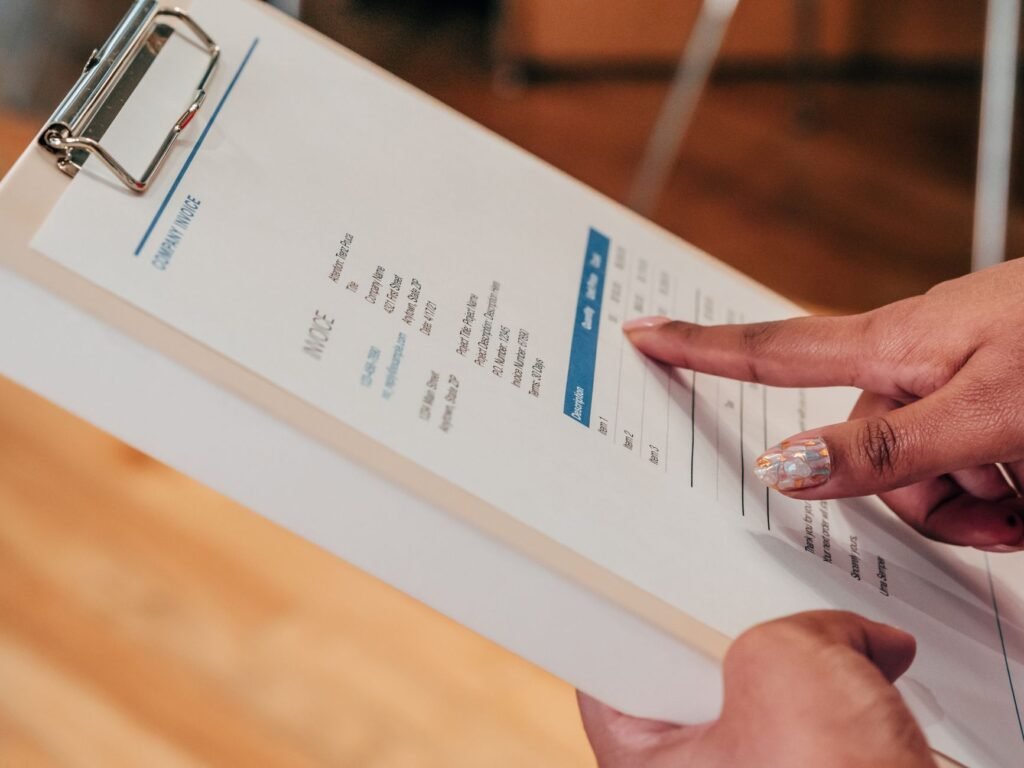
Top 10 Mistakes When Filing an Injury Claim
Filing an injury claim can be a complex and daunting process. To ensure you navigate this journey successfully, it’s important to recognize and avoid common pitfalls. Below are the top 10 mistakes when filing an injury claim, along with actionable advice on how to avoid these injury claim filing errors.
1. Delaying the Filing Process
One of the most critical mistakes is delaying your claim. Each state has a statute of limitations that restricts the time you have to file. For example, in many states, you may only have two to three years from the date of the incident. Delaying can lead to losing your right to compensation.
How to avoid claim mistakes: File your claim as soon as possible to ensure compliance with local laws.
2. Not Reporting the Incident
Failing to report the incident to the appropriate authorities can be detrimental. Whether it’s a workplace accident or a car crash, an official report can be vital for your case.
How to avoid claim mistakes: Always report incidents to relevant authorities, such as your employer or local police.
3. Incomplete or Incorrect Information
Submitting inaccurate or incomplete information can derail your claim. Minor errors in names, dates, or circumstances can lead to significant complications.
How to avoid claim mistakes: Double-check all documents before submission to ensure accuracy.
4. Failing to Gather Evidence
Without proper evidence, your claims may lack support. Photos, witness statements, and medical records are all crucial.
How to avoid claim mistakes: Collect and preserve all evidence related to your case as soon as possible.
5. Not Consulting an Attorney
Many individuals attempt to navigate the claims process alone and overlook the benefits of professional legal guidance. An experienced attorney can help you understand your rights and maximize your compensation.
How to avoid claim mistakes: Consult with a personal injury attorney early in the process.
6. Ignoring Medical Advice
Failing to follow medical advice can not only jeopardize your health but can also weaken your claim. Insurance companies often scrutinize adherence to treatment plans.
How to avoid claim mistakes: Keep all medical appointments and follow your doctor’s recommendations.
7. Accepting Early Settlement Offers
Insurance companies often present early settlement offers that may be appealing but are typically lower than what you deserve. Accepting too soon can limit your ability to recover full compensation.
How to avoid claim mistakes: Consult with an attorney before accepting any offers.
8. Not Keeping Records
Documentation is essential in supporting your claim. Not maintaining detailed records of expenses, medical treatments, and communications can lead to challenges.
How to avoid claim mistakes: Keep a comprehensive record of all relevant information.
9. Misunderstanding the Claims Process
A common injury claim mistake is not fully understanding the claims process, which can lead to missteps. Many individuals are unaware of the steps involved or the potential length of the process.
How to avoid claim mistakes: Educate yourself on the claims process through reliable resources or legal counsel.
10. Trying to Handle It Alone
Finally, many individuals believe they can manage without professional help. This can lead to costly mistakes and missed opportunities for compensation.
How to avoid claim mistakes: Surround yourself with a knowledgeable support team, including an attorney and advisors.

By being aware of these mistakes when filing an injury claim, you can improve your chances of a successful outcome. Take proactive steps to avoid these common injury claim mistakes and consider seeking professional guidance to support your claim.
How to Avoid Claim Mistakes and Ensure Success
Filing an injury claim can be a complex process, and avoiding mistakes when filing an injury claim is crucial for a successful outcome. By implementing best practices and utilizing available resources, claimants can significantly reduce the likelihood of making common injury claim mistakes. Below, we outline essential strategies to help you navigate the claims process effectively.
Best Practices for Filing an Injury Claim
To steer clear of injury claim filing errors, consider the following best practices:
- Maintain Communication with Healthcare Providers: Regular communication with your healthcare team not only ensures that you receive appropriate care but also helps in building a solid medical record. This documentation serves as vital evidence for your claim. Keep track of appointments, treatment plans, and any follow-up care.
- Keep Detailed Records: Document every aspect of your injury and its impact on your life. This includes medical bills, correspondence with insurance companies, and notes on how the injury affects your daily activities. A well-organized record can provide substantial support when negotiating your claim.
- Seek Legal Advice: Consulting with a personal injury attorney can help you navigate the complexities of the claims process. A legal expert can identify potential pitfalls and guide you on how to avoid claim mistakes that could jeopardize your case. They can also help in negotiating fair settlements with insurance companies.
- Be Cautious with Insurance Adjusters: While insurance adjusters aim to settle claims quickly, they may also attempt to minimize payouts. Be cautious when discussing your case with them and avoid providing recorded statements without legal counsel.
- File Your Claim Promptly: Different jurisdictions have varying statutes of limitations. Ensure that you file your claim within the required timeframe to avoid losing your right to seek compensation.

Resources for Claimants
Accessing the right resources can significantly improve your chances of success. Here are some places to find valuable information:
- Nolo: Offers a comprehensive guide on personal injury claims, including tips on documentation and process.
- Consumer Financial Protection Bureau: Provides insights into handling personal injury claims and understanding your rights.
- USA.gov: A resource for finding state-specific information on personal injury laws and filing procedures.
- American Bar Association: Offers resources on various legal topics, including filing claims.
By following these best practices and utilizing available resources, you can significantly minimize the mistakes when filing an injury claim. Taking proactive steps not only protects your interests but also enhances your likelihood of securing the compensation you deserve.
Avoiding mistakes when filing an injury claim is crucial for maximizing your chances of a successful outcome. By being mindful of common injury claim mistakes, such as failing to document evidence or not seeking medical attention promptly, you can significantly enhance your claim’s strength. Remember, injury claim filing errors can lead to delays or denials, so it’s essential to approach the process with diligence and care.
To navigate the complexities of your injury claim effectively, take the time to educate yourself on how to avoid claim mistakes. Consulting with a legal professional can provide you with tailored advice and support, ensuring that you are well-prepared to present your case. By staying informed and proactive, you can increase your chances of achieving a favorable resolution to your claim.
“`html
What are the most common mistakes when filing an injury claim?
Some common injury claim mistakes include failing to gather sufficient evidence, missing deadlines, not accurately documenting injuries, and underestimating damages. Additionally, many individuals underestimate the importance of legal advice and may overlook critical details in their claim forms. Understanding these mistakes when filing an injury claim can significantly impact the outcome of your case.
How can I avoid injury claim filing errors?
To avoid injury claim filing errors, start by keeping detailed records of all medical treatments, expenses, and communications related to your case. Consult with a legal professional who specializes in personal injury claims to guide you through the process. Double-check your claim forms for accuracy, and don’t hesitate to ask questions if you are unsure about any part of the process. Being proactive can help mitigate potential issues.
What happens if I make a mistake on my injury claim?
If you make a mistake on your injury claim, it could lead to delays, denied claims, or reduced compensation. Minor errors may be corrected with additional documentation, but significant mistakes could jeopardize your entire claim. It is essential to address any mistakes promptly and, if possible, seek professional assistance to rectify them. Understanding the implications of such mistakes can help you navigate the claims process more effectively.
Is it necessary to hire a lawyer for an injury claim?
While it is not strictly necessary to hire a lawyer for an injury claim, having legal representation can significantly improve your chances of success. A lawyer can help you navigate the complexities of the legal system, ensure that you meet all deadlines, and advocate for your best interests. If your case involves substantial damages or potential disputes, hiring a lawyer is often a wise decision.
What documentation do I need for an injury claim?
To file an injury claim, you will need various forms of documentation, including medical records, bills, accident reports, and any correspondence with insurance companies. Additionally, photographs of the accident scene, witness statements, and proof of lost wages can strengthen your case. Organizing this documentation is crucial for substantiating your claim and avoiding common injury claim mistakes.
How long do I have to file an injury claim?
The time limit to file an injury claim, known as the statute of limitations, varies by state and type of injury. Generally, it ranges from one to three years. It is vital to be aware of these deadlines, as failing to file within the required time frame may result in losing your right to compensation. Consulting with a legal expert can help ensure you meet all necessary deadlines.
“`