
The realm of personal injury law is complex, and understanding the types of injuries claim values is crucial for anyone seeking compensation. As individuals navigate the aftermath of an accident, grasping the intricacies of personal injury claim values becomes vital. This comprehensive guide delves into the various common injury types such as slip and fall accidents, vehicle collisions, and workplace injuries, each carrying distinct implications for claim values. Furthermore, we will evaluate how different factors influence injury compensation amounts, helping victims understand what to expect from their claims. We will also discuss the necessary steps to take action on your injury claim and empower you with knowledge of your rights and values. By the end of this article, you will be equipped with the information needed to navigate the claims process confidently and effectively. This guide aims to clarify the often-overlooked nuances of injury claims, ensuring you are prepared to advocate for yourself or a loved one when it matters most.
Understanding Types of Injuries Claim Values
Injury claim values play a crucial role in the compensation process for individuals who suffer injuries due to the negligence of others. Understanding the various types of injuries claim values can help victims navigate their personal injury claims more effectively. Claim values can vary widely based on the nature and severity of the injury, as well as the resulting financial impact on the victim.
What are the Most Common Injury Types?
Among the common injury types that lead to personal injury claims are whiplash, fractures, and soft tissue injuries. Whiplash, often resulting from car accidents, can lead to long-term neck pain and associated medical costs. According to the National Institutes of Health, whiplash injuries can result in significant medical expenses and lost wages, contributing to the overall claim value.
Fractures, another prevalent injury type, can vary in severity from simple hairline fractures to complex breaks requiring surgery. The American Academy of Orthopaedic Surgeons notes that fractured bones can lead to high medical bills and rehabilitation costs. Soft tissue injuries, which include sprains and strains, also have a substantial impact on personal injury claim values due to potential long-term complications and treatment needs.
How Are Claim Values Determined?
Determining the value of a personal injury claim involves various factors, including medical expenses, lost wages, and pain and suffering. Medical expenses encompass all costs associated with treatment, such as hospital bills, medication, and therapy. Lost wages refer to the income lost due to the inability to work during recovery. Pain and suffering is a subjective measure, often calculated using multipliers based on medical costs.
According to a study published by the Journal of Legal Studies, the average claim value for injuries can vary significantly, with injury compensation amounts for whiplash averaging around $15,000, while fractures may exceed $30,000. Understanding these factors can empower victims to advocate for fair compensation based on the types of injuries claim values relevant to their situation.

Evaluating Personal Injury Claim Values
Understanding the types of injuries claim values is crucial for anyone navigating the complexities of personal injury claims. Evaluating these values involves a careful assessment of various factors that contribute to the total compensation amount a victim may receive. Below, we discuss key factors influencing injury compensation amounts and debunk common myths that can mislead victims as they pursue claims.
Factors Influencing Injury Compensation Amounts
When determining personal injury claim values, several factors come into play:
- Severity of the Injury: More severe injuries typically lead to higher compensation amounts. For example, catastrophic injuries such as spinal cord damage or traumatic brain injuries can significantly increase the value of a claim.
- Duration of Recovery: The length of time a victim requires to recover impacts claim values. Longer recovery periods often correlate with higher medical expenses and lost wages, inflating the overall compensation amount.
- Impact on Quality of Life: Injuries that diminish a victim’s quality of life, such as chronic pain or permanent disability, can lead to enhanced compensation. Victims may require ongoing medical treatment or may be unable to return to work, further affecting their financial situation.
These factors play a pivotal role in assessing the types of injuries claim values and ensuring victims receive fair compensation for their suffering.
Common Myths About Personal Injury Claims
Several misconceptions can cloud a victim’s understanding of their potential compensation. Here are a few common myths:
- Myth 1: All Claims Are Worth the Same: Many victims assume that all personal injury claims yield similar compensation amounts. In reality, injury compensation amounts vary widely based on the factors discussed above.
- Myth 2: You Can Handle Claims Without Legal Help: While some victims may attempt to manage their claims independently, having legal representation significantly increases the likelihood of receiving fair compensation.
By understanding the truth behind these myths and considering the factors that influence claim values, victims can better navigate their personal injury cases. For more information on types of injuries and their potential claim values, refer to How Insurance Companies Evaluate Injury Claims.

Types of Injuries and Their Claim Values
Understanding the types of injuries claim values is essential for anyone considering filing a personal injury claim. The compensation you might receive can vary significantly depending on the nature and severity of the injury sustained. This section delves into a comparative analysis of common injury types and illustrates their claim values through real case examples.
Comparative Analysis of Common Injury Types
Common injury types often lead to varying personal injury claim values. Here are a few prevalent injuries along with their typical compensation amounts:
- Whiplash: This neck injury typically results from car accidents and can range from $2,000 to $10,000 depending on the severity and duration of symptoms. Insurance adjusters often consider medical bills, lost wages, and pain and suffering when determining the final amount.
- Fractures: Simple fractures can yield claims from $10,000 to $50,000, while complex fractures that require surgery may fetch upwards of $100,000. Factors such as the location of the fracture and long-term impact on mobility play crucial roles in claim valuations.
- Burns: The severity of burns can lead to compensation amounts ranging from $15,000 to over $100,000. Severe burns not only incur significant medical costs but also impact quality of life, which is a critical factor in determining injury compensation amounts.
Real Case Examples of Claim Values
To further illustrate how types of injuries claim values translate into actual compensation, consider the following hypothetical examples:
- A 30-year-old woman suffers a whiplash injury in a rear-end collision. After treatment and physical therapy, her claim is settled for $7,500 based on medical costs and pain and suffering.
- A construction worker suffers a shattered leg due to a fall from scaffolding. His total medical expenses reach $60,000, and with lost wages factored in, his settlement amounts to $150,000.
- A victim of a house fire sustains second-degree burns over 30% of his body. After extensive treatment, the claim is valued at $200,000, reflecting the long-term impacts on his life.
Insights from legal experts indicate that the context of each injury, including the liability involved and the jurisdiction, can significantly influence the final settlement amount. Understanding these nuances is crucial for anyone navigating the complexities of personal injury claims. For more detailed information on maximizing your claim, see Top 5 Factors Affecting Injury Claim Compensation.

Taking Action on Your Injury Claim
Understanding the types of injuries claim values is essential, but taking action on your personal injury claim is equally important. Here’s a step-by-step guide to help you navigate the process effectively.
Steps to File a Personal Injury Claim
- Document Your Injuries: Start by gathering all medical records, photographs of injuries, and any relevant reports. This documentation will serve as crucial evidence in establishing your claim’s value.
- Notify the Responsible Party: Inform the party responsible for your injury about your intention to file a claim. This can often lead to quicker resolutions.
- File a Claim: Depending on the nature of your injury, you may need to file a claim with their insurance company or your own. Be sure to understand the specific processes involved.
- Negotiate with Insurers: Once your claim is filed, insurers will assess the evidence and may make a settlement offer. Be prepared to negotiate to ensure the offer reflects the true value of your claim.
- Consider Other Costs: Do not forget to include all expenses related to your injury, such as lost wages or future medical expenses, as these contribute significantly to personal injury claim values.
When to Consult an Attorney About Types of Injuries Claim Values
Consulting an attorney can be beneficial at various stages of the claims process, particularly if your case involves common injury types such as car accidents or slip and falls. An attorney can help you:
- Understand your legal rights and obligations.
- Maximize your injury compensation amounts through effective negotiation.
- Navigate complex legal terms and insurance policies.
It is wise to seek legal advice if you face significant opposition from the insurance company or if your injuries have long-term consequences. An attorney can provide valuable insights into the types of injuries claim values and what to expect throughout the process. By having professional legal guidance, you can enhance your chances of obtaining a fair settlement.

Conclusion: Understanding Your Rights and Values in Types of Injuries Claim Values
Understanding the types of injuries claim values is essential for anyone navigating the complexities of personal injury claims. Each case is unique, influenced by factors such as the nature of the injury, the circumstances surrounding the incident, and the resulting financial implications. Common injury types like whiplash, fractures, and emotional distress can lead to varying personal injury claim values, and awareness of these nuances can significantly impact the outcome of your case.
Throughout this guide, we have explored how different injuries correlate to specific injury compensation amounts. It’s important for claimants to recognize that these values are not fixed; they can fluctuate based on medical expenses, lost wages, and even the pain and suffering incurred. Knowing the potential ranges for these claims enables individuals to approach negotiations with informed expectations.
As you navigate your personal injury journey, consider the following actionable takeaways:
- Document all relevant details of your injury and its impact on your life.
- Consult with a qualified attorney who specializes in personal injury law to get tailored advice based on your situation.
- Educate yourself about how different factors influence types of injuries claim values to better advocate for your rights.
Taking proactive steps can enhance your chances of securing a fair settlement. Remember, the path to obtaining justice and appropriate compensation for your injuries is often complex, but with the right knowledge and support, you can navigate it successfully. Seek professional guidance tailored to your circumstances and stay informed about your rights.
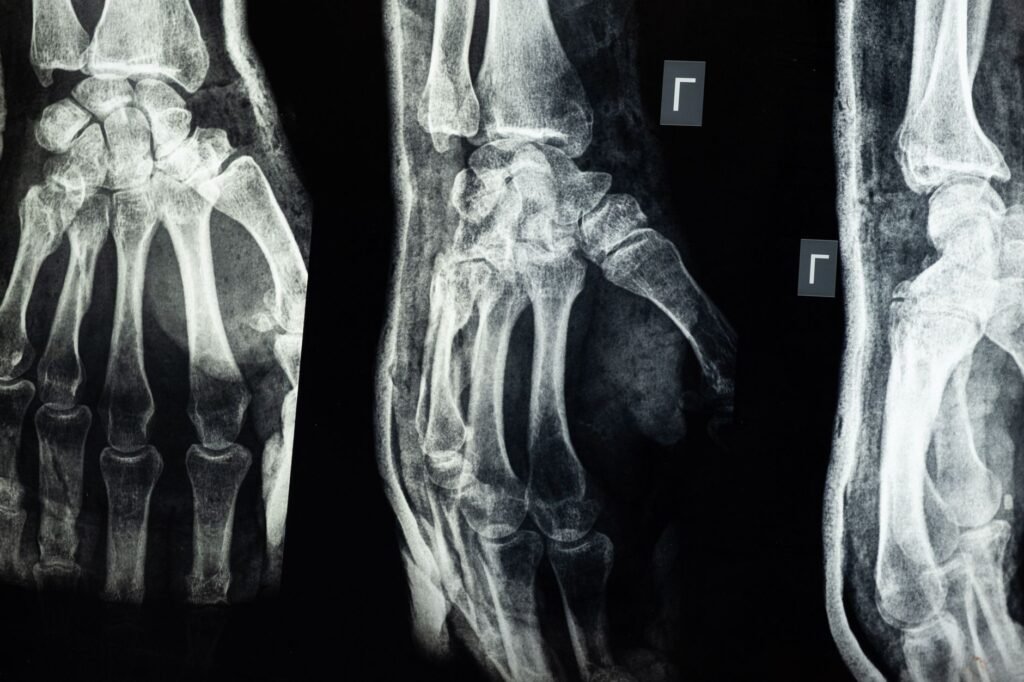
Understanding the various types of injuries claim values is essential for anyone pursuing a personal injury claim. Each case is unique, influenced by factors such as the severity of the injury, the circumstances surrounding the incident, and the impact on daily life. By familiarizing yourself with common injury types, you can better assess potential injury compensation amounts and prepare for negotiations with insurance companies.
If you believe you have a valid claim, consider consulting a legal professional who can provide tailored advice based on your specific situation. They can help you navigate the complexities of personal injury claim values and ensure you receive fair compensation for your injuries. Taking this step can significantly enhance your chances of achieving a favorable outcome.
“`html
What are the most common types of injuries?
The most common types of injuries include soft tissue injuries, fractures, burns, spinal cord injuries, and traumatic brain injuries. Each of these injuries can vary significantly in severity and impact, affecting the types of injuries claim values that may be pursued. Understanding these common injury types is essential when considering filing a personal injury claim.
How are personal injury claim values calculated?
Personal injury claim values are typically calculated based on several factors, including medical expenses, lost wages, pain and suffering, and future treatment costs. Insurance companies often use a formula that considers these elements to determine fair compensation. It’s important to gather comprehensive documentation to support your claim and accurately reflect the types of injuries claim values you are pursuing.
What factors influence injury compensation amounts?
Injury compensation amounts are influenced by various factors, such as the severity of the injury, the impact on daily life, the amount of medical expenses incurred, and the duration of recovery. Other considerations include the jurisdiction’s laws and the insurance policy limits. These elements collectively shape the calculation of personal injury claim values and the potential compensation you may receive.
Can I claim for emotional distress in my injury claim?
Yes, you can claim for emotional distress in your injury claim, provided you can demonstrate that the distress is a direct result of the injury or accident. Emotional distress claims can include anxiety, depression, or other psychological impacts caused by the incident. Establishing a clear link between the emotional distress and the injury is crucial for supporting your case and influencing the types of injuries claim values.
How long do I have to file a personal injury claim?
The time frame to file a personal injury claim, known as the statute of limitations, varies by state and type of claim. Generally, it ranges from one to six years. It’s critical to be aware of your state’s specific deadlines to ensure you do not lose your right to seek compensation. Consulting with a legal professional can help clarify the timeline for your situation.
What should I do if my claim is denied?
If your claim is denied, the first step is to review the denial letter to understand the reasons behind it. You may have the option to appeal the decision by providing additional evidence or clarifying misunderstandings. Consulting with a personal injury attorney can be beneficial, as they can guide you through the appeals process and help you strengthen your case to potentially overturn the denial.
“`