
Understanding when to use injury claim calculator is crucial for anyone navigating the complexities of personal injury claims. Whether you are dealing with medical bills, lost wages, or emotional distress, accurately assessing your potential settlement can be a daunting task. This article will guide you through the key factors to consider for settlement calculation timing, ensuring you are well-informed as you approach your claim. We will provide a step-by-step guide on how to effectively utilize an injury claim calculator, highlighting common mistakes to avoid that could impact your claim’s outcome. Additionally, we will discuss the importance of injury claim timing and how it can influence your compensation. By the end of this guide, you will have a clearer understanding of when to use injury claim calculator tools and how to enhance your chances of a favorable settlement. For further information on personal injury claims, you can check resources from Nolo or the American Bar Association.
Understanding When to Use Injury Claim Calculator
What is an Injury Claim Calculator?
An injury claim calculator is a digital tool designed to help individuals estimate the potential compensation they may be entitled to following a personal injury incident. It typically requires input regarding the specifics of the injury, such as medical expenses, lost wages, and pain and suffering. By analyzing this data, the calculator generates an estimate of the settlement amount, making it easier for users to understand their financial standing during the claims process.
Why Timing Matters in Personal Injury Claims
When considering when to use an injury claim calculator, understanding injury claim timing is crucial. The timing of your claim can significantly affect the final settlement amount you receive. For instance, waiting too long to file your claim can lead to diminished evidence, memory lapses, and a decrease in perceived credibility. An injury claim calculator can assist in determining the best time to file your claim, as it helps establish a clearer picture of your financial needs and potential compensation.
Utilizing a calculator early in the claims process allows you to assess your situation more accurately, which can be advantageous during negotiations with insurance companies. It enables you to understand settlement calculation timing, helping you make informed decisions about when to pursue your claim and what to expect in terms of compensation.
an injury claim calculator is an essential tool for anyone navigating the complexities of personal injury claims. By understanding its purpose and the importance of timing, you can maximize your chances of receiving a fair settlement. To explore more about how to effectively use these calculators, consider visiting Maximize Compensation with an Injury Claim Calculator.

Key Factors to Consider for Settlement Calculation Timing
When evaluating when to use injury claim calculator, understanding the timing of various factors is crucial. Specifically, the timing of medical treatments and legal consultations can significantly influence your personal injury claims and the overall settlement calculation timing.
Medical Treatment and Recovery
Your medical treatment timeline is one of the primary components that affect your claim. The extent and duration of your injuries directly correlate with the compensation you may be entitled to receive. Delays in seeking treatment can imply that your injuries are less severe than claimed, which can weaken your position during negotiations or litigation. According to the Nolo, consistent and documented medical care helps to establish the severity of your injuries, thereby supporting your claim. Therefore, understanding when to use an injury claim calculator requires a thorough assessment of your medical journey.
Legal Consultation and Documentation
Before using the injury claim calculator, it is essential to consult with a legal professional who can provide advice tailored to your situation. Legal consultations help you understand the nuances of your case and gather necessary documentation, such as medical records and accident reports. These documents are vital for accurate calculations and can significantly impact settlement calculation timing. Missing or incomplete documentation can lead to delays or a lower settlement offer. Engaging a lawyer early on can facilitate the documentation process and enhance your claim’s strength.
the timing of medical treatments and legal consultations are key factors to consider for effective settlement calculation. By addressing these elements promptly, you can improve your understanding of when to use injury claim calculator and optimize your potential settlement amount.

When to Use Injury Claim Calculator: Step-by-Step Guide
Preparing Your Information
Understanding when to use an injury claim calculator is crucial for anyone navigating the complexities of personal injury claims. Before you begin, gather all relevant information to ensure accurate estimates. Key documents include:
- Medical Bills: Collect all medical expenses related to your injury, including hospital stays, surgeries, rehabilitation, and ongoing treatments.
- Lost Wages: Document any income lost due to your inability to work. Include pay stubs and tax returns to substantiate your claims.
- Pain and Suffering: While subjective, this can significantly impact your claim. Keep a journal detailing your physical and emotional distress.
- Insurance Information: Gather details from your insurance policy and the at-fault party’s insurer, if applicable.
Having this information organized will facilitate a smoother process when using the calculator, ensuring you account for all potential damages.
Using the Calculator Effectively
Once your information is prepared, it’s time to use the injury claim calculator. Follow these steps for effective use:
- Input Your Data: Enter the information you’ve collected into the calculator, including medical expenses, lost wages, and any other relevant figures.
- Choose the Right Settings: Make sure you select the right options that reflect your specific situation, such as the type of injury or the state laws that may apply.
- Review the Output: Analyze the estimates provided by the calculator. Understand that this is an initial estimate and that settlement calculation timing may vary based on individual circumstances.
- Consult a Professional: For the most accurate assessment and to navigate complex legalities, consider consulting a personal injury attorney who can help refine your estimate and guide you through the claims process.
By following these steps, you can enhance your understanding of when to use an injury claim calculator and maximize your potential compensation.
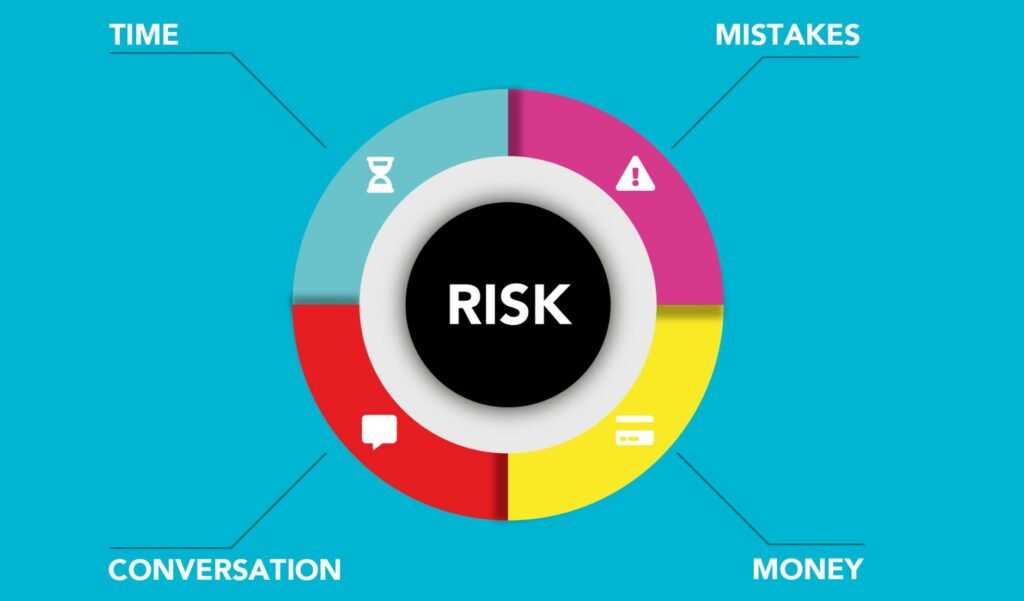
Common Mistakes to Avoid with Injury Claim Calculators
Using an injury claim calculator can be a helpful way to estimate potential compensation for personal injury claims, but there are common mistakes that can lead to misleading results. Understanding these pitfalls will help ensure that you know when to use an injury claim calculator effectively.
Underestimating Damages
One frequent error individuals make is underestimating their damages. Many calculators focus primarily on tangible costs, such as medical bills and lost wages. However, it is crucial to consider all forms of economic and non-economic damages. For instance, the emotional and psychological impacts of an injury, such as pain and suffering or loss of enjoyment of life, can significantly affect the total compensation amount. Neglecting these factors could lead to an inaccurate assessment of your claim’s value, especially during the critical injury claim timing phase.
Ignoring Non-Economic Damages: When to Use Injury Claim Calculator
Another common mistake is ignoring non-economic damages entirely. While calculators may provide estimates for economic losses, they often fall short in addressing the intangible aspects of an injury. Non-economic damages can include emotional distress, mental anguish, and loss of companionship. Failing to account for these when using an injury claim calculator can yield a settlement calculation timing that does not truly reflect your situation.
To maximize the usefulness of an injury claim calculator, ensure you include both economic and non-economic damages in your assessment. Take time to reflect on the full impact of your injuries, considering both immediate and long-term effects. By doing so, you will arrive at a more accurate estimate of what you are entitled to, paving the way for a more successful claim process.

Final Thoughts on Injury Claim Timing and Calculators
Understanding when to use an injury claim calculator is crucial for anyone navigating the complexities of personal injury claims. The timing of your claim can significantly impact the outcome, making it essential to consult with professionals who can provide tailored advice based on your specific situation.
Consult with Professionals for Timing and Calculations
Legal professionals can offer insights into injury claim timing that align with your case. They can help you determine the appropriate moment to utilize an injury claim calculator, considering factors such as the extent of injuries, medical treatment timelines, and the potential for future expenses. Engaging with an attorney can also ensure that your calculations reflect the nuances of your case, such as lost wages and emotional distress damages.
Stay Updated on Legal Changes Affecting Claims
The landscape of personal injury claims is constantly evolving, influenced by legislative changes and court rulings. Staying informed about these changes is vital. For example, laws concerning statute limitations or damage caps can affect your settlement calculation timing. Regular consultations with your legal team can help you adapt your strategy in response to new regulations.
while using an injury claim calculator can provide a preliminary estimate, the complexities of personal injury claims necessitate professional guidance. This approach not only enhances the accuracy of your settlement calculations but also ensures that you are well-prepared to navigate the full scope of your claim.

Always remember, the timing of your claim and the accuracy of your calculations can make a significant difference in the outcome of your case. Seek expert advice to ensure you are making informed decisions at every step.
Understanding when to use an injury claim calculator is essential for anyone navigating the complexities of personal injury claims. Proper injury claim timing can significantly affect the outcome of your case, ensuring that you receive a fair settlement based on accurate calculations. Utilizing these tools can provide clarity and guide your decision-making process as you assess your situation.
As you consider the timing for settlement calculation, remember that gathering comprehensive information about your injuries, medical expenses, and other damages will enhance the accuracy of your claim. If you find yourself uncertain about the next steps, consulting with a legal professional can provide invaluable insight. They can help you determine the most appropriate time to use an injury claim calculator, ensuring you are well-prepared to pursue the compensation you deserve.
“`html
What is an injury claim calculator and how does it work?
An injury claim calculator is a tool designed to estimate the potential value of a personal injury claim. It typically uses various inputs, such as the extent of injuries, medical expenses, lost wages, and other associated costs, to provide a rough estimate of what you might expect to receive in a settlement. By entering your information, you can better understand the financial aspects of your claim, which can help you make informed decisions about when to use an injury claim calculator.
How do I determine the right timing for filing a personal injury claim?
The right timing for filing a personal injury claim largely depends on various factors, including the severity of your injuries, the complexity of your case, and the statute of limitations in your state. Typically, it is advisable to file your claim as soon as you have a clear understanding of your medical condition and the costs involved. Delaying could jeopardize your ability to collect full compensation. Consulting a legal expert can also provide insights into optimal injury claim timing.
Can I use an injury claim calculator before consulting a lawyer?
Yes, you can use an injury claim calculator before consulting a lawyer. This tool can give you a preliminary estimate of your claim’s value based on the information you input. However, it is important to remember that calculators provide only rough estimates. Consulting a lawyer later will give you a more accurate assessment based on the specific details of your case and the nuances of applicable laws.
What information is required to use an injury claim calculator?
To effectively use an injury claim calculator, you will typically need to provide information regarding your injuries, medical treatment costs, lost wages, pain and suffering, and other related expenses. Some calculators may also ask for details about the incident that caused your injury. Having accurate and comprehensive data will lead to a more reliable estimate of your potential settlement value.
What are the most common mistakes when using an injury claim calculator?
Common mistakes when using an injury claim calculator include entering inaccurate or incomplete information, misunderstanding the purpose of the calculator, and relying solely on its estimate without considering other factors. Users may overestimate the value of their claim by not accounting for the nuances of their case, such as liability issues or applicable state laws. It is crucial to use the calculator as a starting point, not a definitive answer.
How can the timing of my injury affect my claim outcome?
The timing of your injury can significantly affect your claim outcome for several reasons. First, the sooner you file your claim, the better your chances of gathering evidence and witness statements while they are still fresh. Additionally, delays can lead to complications in proving the extent of your injuries and related expenses. Understanding when to use an injury claim calculator can help you gauge your situation and make timely decisions to protect your rights.
“`