Knowing what to do after an injury is crucial for ensuring your well-being and recovery. Accidents can happen unexpectedly, and the first actions after an accident can significantly impact your health and legal standing. This article provides a comprehensive step-by-step guide to navigate the complexities of injury management. We will cover the initial steps you should take immediately following an injury, including critical immediate injury advice and care. Understanding your rights and responsibilities is essential, especially if another party is involved. Additionally, we will discuss recovery steps to follow after the emergency, ensuring you receive the necessary medical attention and support. Lastly, we will share tips on preventing future injuries, empowering you to make informed choices moving forward. Whether you are dealing with a minor injury or something more severe, this guide will equip you with the knowledge to handle the situation effectively. For further information on injury prevention, visit CDC Injury Center.
What to Do After an Injury: Initial Steps
Knowing what to do after an injury is crucial for ensuring your safety and well-being. The immediate actions you take can significantly influence your recovery process. This section highlights important injury steps to follow, focusing on assessing your condition and seeking medical attention when necessary.
Assessing Your Condition
After sustaining an injury, the first actions after an accident should involve remaining calm and evaluating your condition. Start by taking a moment to breathe deeply; panic can cloud your judgment. Assess the severity of your injury by asking yourself the following questions:
- Is there severe pain or swelling?
- Can you move the injured area without significant discomfort?
- Are there any visible deformities or open wounds?
If your injury seems serious, it’s essential to avoid moving excessively, as this could worsen the situation. For minor injuries, basic first aid, such as cleaning a cut or applying ice to a sprain, can be effective. Always remember to follow basic immediate injury advice like the R.I.C.E. method (Rest, Ice, Compression, Elevation) for soft tissue injuries.
Seeking Medical Attention
If you determine that your injury requires further evaluation, seeking medical attention promptly is critical. Signs that you should see a healthcare provider include:
- Inability to bear weight on an injured limb
- Persistent or worsening pain
- Signs of infection, such as fever or redness
Even if you feel your injury may not be severe, it’s wise to consult a professional for a thorough assessment to prevent complications. Remember, knowing what to do after an injury includes understanding when to seek help. If unsure, err on the side of caution and consult a medical expert.

For more detailed guidelines on managing injuries and recovery, steps after injury claim.
First Actions After an Accident: Immediate Care
When an accident occurs, knowing the correct first actions after an accident can significantly impact the outcome of the situation. Understanding what to do after an injury is crucial for ensuring safety and proper recovery. The first steps often involve administering first aid and documenting the incident for future reference.
Administering First Aid
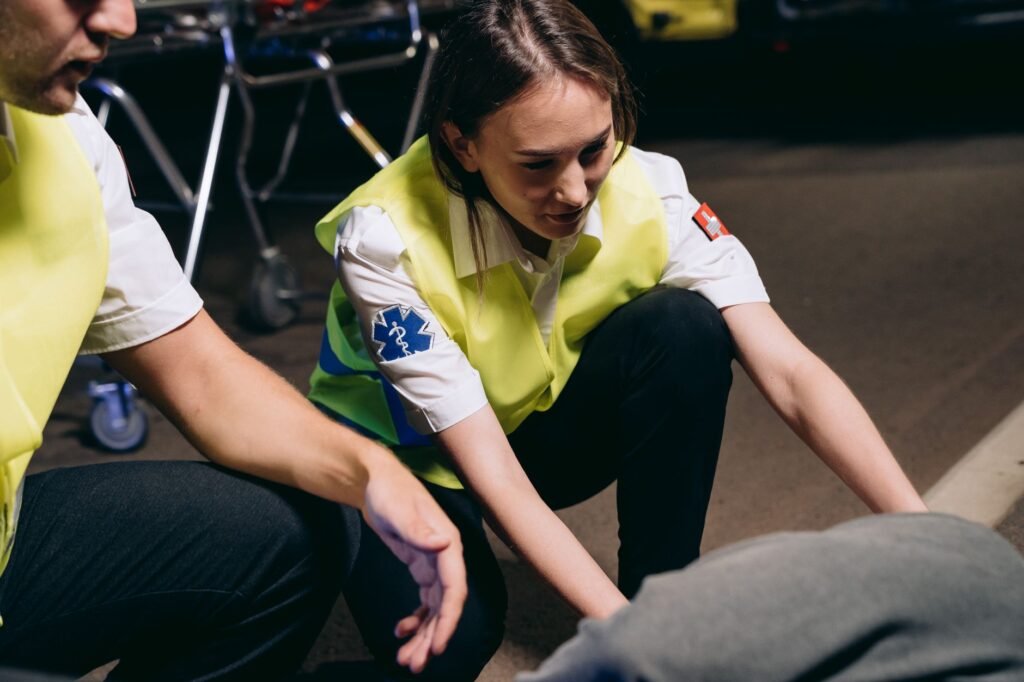
Immediate care is essential in mitigating the effects of an injury. Begin by assessing the situation for safety. If the area is unsafe, move to a safe location before providing assistance. Here are some key injury steps to follow:
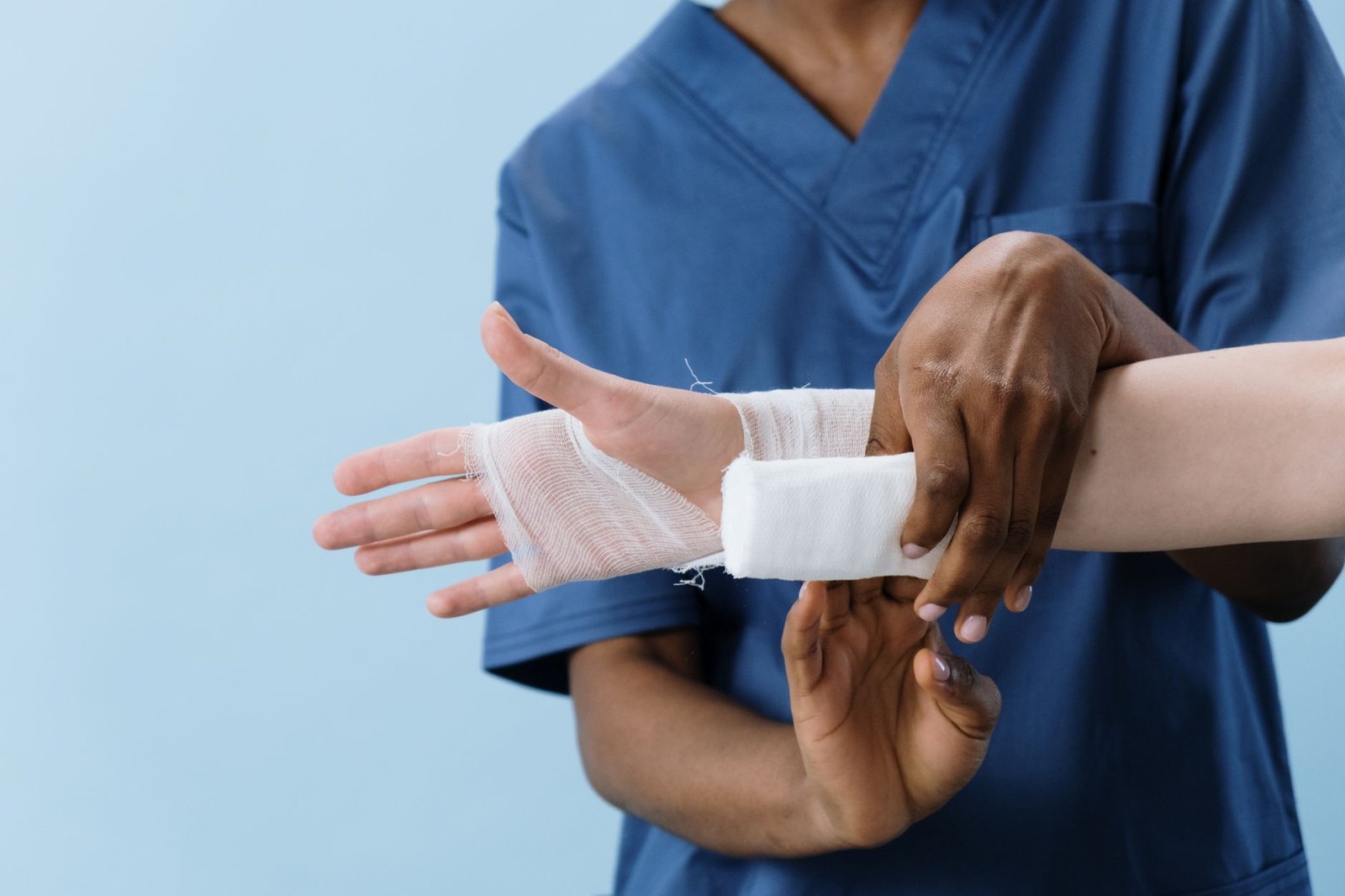
- Control Bleeding: If there is bleeding, apply direct pressure to the wound using a clean cloth or bandage. Elevating the injured area can also help reduce blood flow.
- Stabilize Injuries: For fractures or suspected fractures, keep the injured area as still as possible. Use a makeshift splint if necessary to prevent movement.
- Check for Shock: Look for signs of shock, such as pale skin, rapid pulse, or confusion. Lay the person down and elevate their legs if possible while waiting for professional help.
Always call emergency services if the injury is severe, or if you are unsure about the seriousness of the situation. For comprehensive first aid guidelines, consider consulting the American Red Cross.
Documenting the Incident: What to Include
After addressing immediate health concerns, documenting the incident becomes vital for both medical and legal purposes. Here’s some immediate injury advice on what to include:
- Date and Time: Record when the accident occurred.
- Location: Note the exact location where the injury took place.
- Witness Information: Collect names and contact information of any witnesses.
- Details of the Incident: Write a detailed account of what happened, including the events leading up to the injury.
- Photos: If possible, take photographs of the scene and any visible injuries.
Documenting these elements can be crucial for any potential claims or to receive appropriate medical treatment. For further insights on legal documentation, refer to what to expect after submitting an injury claim.
Understanding what to do after an injury can ensure that immediate and appropriate care is provided, ultimately aiding in recovery and legal recourse if necessary.
Understanding Your Rights and Responsibilities
When considering what to do after an injury, understanding your legal rights and responsibilities is crucial. Being informed can significantly impact the outcome of your situation, especially when it comes to seeking compensation or medical care. This section will focus on two key areas: legal considerations and notifying your insurance company.
Legal Considerations
Your rights following an injury depend on various factors, including the circumstances of the accident and local laws. Generally, you have the right to seek medical treatment and pursue compensation for medical expenses, lost wages, and pain and suffering. Familiarize yourself with the laws in your state or country, as they can vary significantly. For a more in-depth understanding, consider visiting resources like Nolo or your local legal aid organization.
Documenting the incident thoroughly is essential. Gather evidence such as photographs, witness statements, and medical records. This information will be critical in supporting your claims and understanding the legal steps you may need to take. If you are unsure about your rights, consult with a personal injury attorney who can provide specific immediate injury advice tailored to your case.
Insurance Notifications and What to Do After an Injury
After ensuring your immediate safety and health, notifying your insurance company is one of the first actions after an accident. Report the incident promptly, as many policies require notification within a specific timeframe. Provide them with detailed information regarding the accident, including dates, locations, and descriptions of injuries or damages.
- Documentation: Keep a record of all communications with your insurer.
- Claim forms: Fill out any necessary claims forms accurately and thoroughly.
- Follow-ups: Be proactive in following up on your claim status.
For more information on navigating insurance claims, refer to Insurance.com. Understanding your rights and responsibilities will empower you to make informed decisions during this challenging time.
Recovery Steps: Following Up After the Emergency
After addressing immediate concerns following an injury, understanding what to do after an injury is crucial for effective recovery. This phase typically involves follow-up appointments and exploring rehabilitation options, which are essential components of the healing process.
Follow-Up Appointments
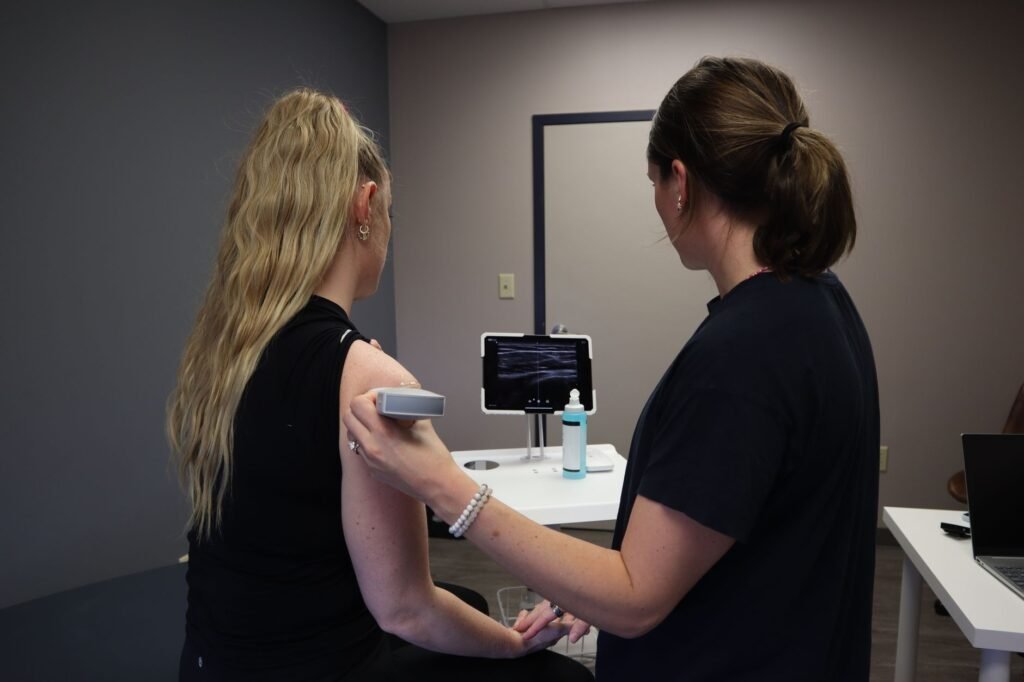
Once the initial treatment has been administered, scheduling follow-up appointments with healthcare professionals is vital. These visits allow your doctor to monitor your healing progress, adjust treatment plans, and address any complications that may arise. Regular check-ups are particularly important for injuries that could lead to long-term issues, such as fractures or soft tissue injuries.
During these appointments, be prepared to discuss any ongoing pain or discomfort you are experiencing. Your healthcare provider will offer immediate injury advice tailored to your specific situation. They may recommend diagnostic tests, such as X-rays or MRIs, to assess the extent of the injury and ensure proper recovery.
Rehabilitation Options: What to Do After an Injury
Rehabilitation plays a critical role in recovery, focusing on restoring function and mobility. Depending on the nature of your injury, options may include physical therapy, occupational therapy, or even psychological support for emotional healing. Engaging in a structured rehabilitation program can significantly enhance recovery outcomes.
- Physical Therapy: A physical therapist will design a personalized exercise program to strengthen the affected area, improve flexibility, and reduce pain.
- Occupational Therapy: This therapy focuses on helping you regain the ability to perform daily activities, especially if your injury impacts your work or personal life.
- Pain Management: Discuss pain management strategies with your healthcare provider. Options may include medications, ice/heat therapy, or alternative methods such as acupuncture.
By diligently following these injury steps, you not only aid your recovery but also reduce the risk of re-injury in the future. Remember, every injury is unique, so tailor your approach to your specific needs and listen to your body throughout the recovery process.

For more information on specific rehabilitation exercises or to find a qualified therapist, visit after injury claim submission.
Preventing Future Injuries
After addressing the immediate concerns of what to do after an injury, it’s crucial to implement strategies that help prevent future incidents. By focusing on safety tips and increasing personal awareness, individuals can significantly reduce the risk of injuries in various environments, such as at home or work.
Safety Tips
Incorporating safety measures into daily routines can help create a safer environment. Here are some actionable safety tips:
- Home Safety: Regularly check for hazards like loose rugs, electrical cords, or inadequate lighting. Install handrails on stairs and ensure that pathways are clear of obstacles.
- Workplace Safety: Familiarize yourself with the safety protocols specific to your job. Use personal protective equipment (PPE) whenever necessary and participate in safety training programs.
- Outdoor Safety: When engaging in outdoor activities, wear appropriate gear and stay aware of your surroundings. For sports, ensure that you warm up and use gear specific to the activity.
Awareness Strategies: What to Do After an Injury
Being aware of your surroundings can greatly reduce the likelihood of injuries. Consider these strategies:
- Mindfulness: Practice mindfulness to stay present and aware of potential hazards. This can help you make quick decisions that avoid accidents.
- Regular Training: Participation in regular training sessions related to your activities can enhance your skills and awareness. For example, first aid training can provide immediate injury advice not just for yourself, but for those around you.
- Emergency Plan: Have a clear plan for emergencies, including how to respond to injuries. Knowing the injury steps to take can make a significant difference in outcomes.
By implementing these safety tips and awareness strategies, individuals can take proactive steps to prevent future injuries and improve their overall safety. Remember, it is always better to be prepared and vigilant than to react after an accident.

Understanding what to do after an injury is crucial in ensuring your recovery process is as smooth as possible. Following the appropriate injury steps can significantly impact the outcome of your healing journey. The first actions after an accident should always prioritize your safety and well-being, including seeking immediate medical attention if necessary. Remember, immediate injury advice often emphasizes the importance of assessing your condition before making any decisions.
As you navigate the aftermath of an injury, keep in mind the importance of documenting your experience and following through with medical recommendations. If you are unsure of the next steps or need further guidance, consult with a healthcare professional who can provide tailored advice based on your specific situation. Taking proactive measures now can set the foundation for a successful recovery. Start by reaching out for help and gathering your medical records; this will ensure you are well-prepared for the road ahead.
“`html
What are the first actions to take after an accident?
The first actions after an accident include ensuring your safety and the safety of others. Check for injuries and call emergency services if needed. If possible, move to a safe location away from traffic. Gather information from other parties involved, such as names, contact details, and insurance information. Document the scene with photos and notes, as this can be valuable for insurance claims and legal purposes. Remember these steps are crucial for understanding what to do after an injury.
How do I assess my injury after an accident?
To assess your injury after an accident, start by identifying any pain or discomfort in your body. Look for visible signs such as bruising, swelling, or open wounds. Perform gentle movements to determine your range of motion and any limitations. If you experience severe pain, dizziness, or other concerning symptoms, seek medical attention immediately. It’s essential to document your findings, as this information can support future medical evaluations and insurance claims.
When should I seek medical attention after an injury?
You should seek medical attention immediately if you experience severe pain, loss of consciousness, difficulty breathing, or any life-threatening symptoms. Even if your injuries seem minor, it’s advisable to see a healthcare professional, as some injuries may not be immediately apparent, such as internal injuries or concussions. Early evaluation can ensure proper treatment and prevent complications. Remember that timely medical care is vital in your recovery process.
What should I do immediately after an injury at work?
Immediately after an injury at work, prioritize your safety and report the incident to your supervisor or manager. Seek medical attention if necessary, even for minor injuries, to ensure proper documentation. Complete an incident report detailing what happened, where it occurred, and who was involved. Collect witness statements if possible. This documentation is crucial for workers’ compensation claims and helps ensure workplace safety protocols are followed.
How can I document an injury for insurance purposes?
To document an injury for insurance purposes, start by taking photographs of the injury and the accident scene from various angles. Keep a written record of your medical visits, treatments, and any associated expenses. Obtain copies of medical reports and bills, and gather witness statements if applicable. This comprehensive documentation will support your claim and help streamline the process with your insurance provider.
What are my rights after being injured in an accident?
After being injured in an accident, you have the right to seek compensation for medical expenses, lost wages, and pain and suffering. You also have the right to receive appropriate medical care and to file a claim with the at-fault party’s insurance. If negligence is involved, you may have grounds for a personal injury lawsuit. It’s important to consult with a legal professional to understand your rights and the best course of action for your situation.
“`