
Understanding how long it takes to settle a personal injury claim can be a daunting task for many individuals. The personal injury claim process is often filled with uncertainties, leaving claimants wondering about the injury claim timeline and how long injury claims take. This article provides a comprehensive overview of the various factors influencing the duration of personal injury claims, from initial consultations to negotiations and final settlements. We will explore key considerations that can affect your case, including the complexity of your injuries and the willingness of the insurance company to negotiate. Additionally, we will delve into the crucial step of negotiating your settlement, which can significantly impact both the timeline and the amount you receive. By the end of this article, you will have a clearer understanding of the personal injury claim process and what to expect as you navigate through it. For more detailed information on personal injury claims, you can visit Nolo and American Bar Association.
Understanding How to Settle a Personal Injury Claim
Settling a personal injury claim can be a complex process, and understanding the timeline involved is crucial for anyone pursuing compensation. Knowing how long injury claims take can help you manage your expectations and make informed decisions throughout the process. Several factors influence the injury claim timeline, which can vary significantly from case to case.
Factors Affecting the Injury Claim Timeline
Various elements can impact how long it takes to settle a personal injury claim, including:
- Severity of Injuries: More severe injuries typically require longer treatment periods, which can delay the claim.
- Medical Documentation: Gathering all necessary medical records and bills can take time, affecting the overall timeline.
- Insurance Company Response: Different insurers have varying response times, which can prolong negotiations.
- Negotiation Process: The complexity of negotiations can lead to delays, especially if the parties do not agree on compensation amounts.
- Litigation: If a settlement cannot be reached, filing a lawsuit can significantly extend the timeline.
The Personal Injury Claim Process Explained: How to Settle Personal Injury Claim
The personal injury claim process typically involves several key steps:
- Filing a Claim: This is where you formally notify the insurance company of your injuries and the damages you are claiming.
- Investigation: The insurance company investigates the claim, gathering evidence and reviewing medical records.
- Negotiation: After the investigation, negotiations begin. This is critical in determining the compensation amount.
- Settlement: If an agreement is reached, you will receive a settlement offer. If accepted, the claim is settled.
Understanding each step of the personal injury claim process can help you better navigate the complexities of your case. By being aware of the factors that can affect the injury claim timeline, you can prepare yourself for potential delays and ensure that you are adequately compensated for your injuries. For further insights on the personal injury claim process, consider exploring What to Expect When Filing a Personal Injury Claim.
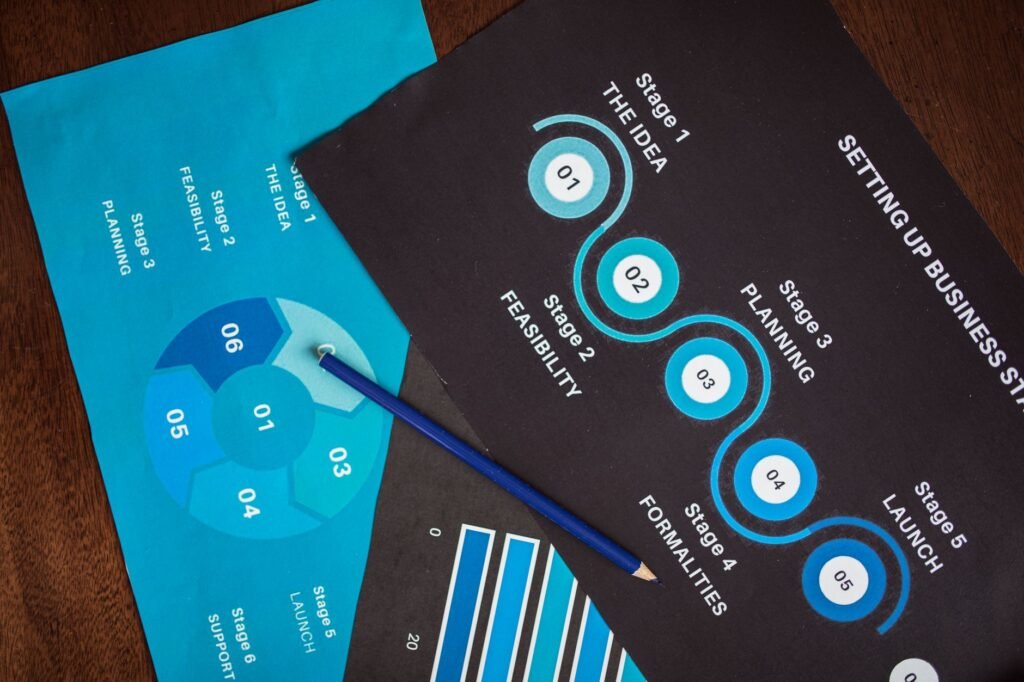
Typical Injury Claim Timeline
Understanding the typical injury claim timeline is crucial for anyone involved in a personal injury case. Knowing how long injury claims take can help you prepare for the process ahead, from filing the claim to reaching a settlement. Below, we break down the phases of the personal injury claim process and highlight common delays that can extend the timeline, making it easier for you to navigate your journey to settle a personal injury claim.
Phases of the Personal Injury Claim Process
The personal injury claim process generally unfolds in several key phases:
- Initial Consultation: This is where you meet with a personal injury attorney to discuss the details of your case. You will provide information about the accident, injuries, and any evidence you have.
- Investigation: The attorney will conduct a thorough investigation, gathering evidence such as police reports, medical records, and witness statements. This phase can take weeks or even months, depending on the complexity of the case.
- Medical Treatment: It is vital to complete your medical treatment before settling. Ongoing treatment can delay the process as your attorney waits for medical records and bills to establish the full extent of your damages.
- Demand Letter: Once your medical treatment concludes, your attorney will draft a demand letter to the insurance company outlining your claim and the compensation sought.
- Negotiation: The insurance company will respond with an offer, and negotiations will commence. This phase can be lengthy, as both sides may go back and forth several times before reaching an agreement.
- Settlement or Litigation: If negotiations succeed, the claim will settle. If not, you may have to file a lawsuit, which can further extend the timeline.
Common Delays in Injury Claims
Several factors can contribute to delays in the injury claim timeline:
- Gathering Evidence: As mentioned, collecting necessary evidence can be time-consuming, particularly if multiple parties are involved.
- Medical Treatment Duration: If your recovery takes longer than expected, it will delay the ability to finalize your claim.
- Negotiation Length: Insurance companies often take their time responding to demand letters, and negotiations can drag on if they dispute liability or damages.
By understanding these phases and the potential delays, you can better anticipate what it takes to settle a personal injury claim and prepare yourself accordingly.

How Long Do Injury Claims Take? Key Considerations
When it comes to understanding how long injury claims take, several factors can influence the timeline. One of the most significant aspects is the role of insurance companies. The cooperation and responsiveness of the insurance adjusters can greatly affect the duration of the personal injury claim process. If the insurance provider is willing to negotiate in good faith and promptly provide necessary documentation, the process can move more swiftly. Conversely, if there are disputes over liability or the extent of damages, it can lead to prolonged negotiations.
Another critical factor is the complexity of the case. Cases involving severe injuries, multiple parties, or intricate legal issues typically take longer to resolve. In these situations, a thorough investigation is often required, which can delay the settlement process. On the other hand, straightforward cases with clear liability may settle more quickly, sometimes within a few months.
When You Need Help to Settle Personal Injury Claim
The decision to hire a personal injury attorney can also impact the timeline of your claim. While it is possible to negotiate directly with insurance companies, having legal representation often leads to faster resolutions. Attorneys understand the nuances of the legal system and can navigate negotiations more effectively, which can significantly shorten the injury claim timeline. They can also ensure that you receive a fair settlement that accurately reflects your damages.
- Consider consulting an attorney if your case is complex or if liability is disputed.
- Gather all necessary documents to expedite the claims process.
- Be prepared for negotiations and understand that patience may be required.
Ultimately, understanding how long injury claims take involves considering these various factors. For those looking to settle a personal injury claim efficiently, being proactive and informed is key. For additional resources on navigating this process, visit Top Factors Affecting Your Personal Injury Claim Value.

Negotiating Your Settlement: A Crucial Step in the Personal Injury Claim Process
The negotiation phase is a pivotal part of the personal injury claim process, where you transition from filing your claim to reaching a settlement. Understanding how to effectively negotiate can significantly impact how long injury claims take and the compensation you ultimately receive. It is essential to approach this phase equipped with strategies and knowledge about your rights.
Strategies for Effective Negotiation to Settle Personal Injury Claim
When negotiating your settlement, consider the following strategies:
- Know Your Worth: Assess the full extent of your damages, including medical expenses, lost wages, and emotional distress. Having a clear understanding of your needs will provide a stronger foundation for your negotiation.
- Document Everything: Keep thorough records of all medical treatments, expenses, and any correspondence with insurance companies. This documentation will support your claims and strengthen your negotiating position.
- Be Prepared to Counter: Initial offers from insurance companies are often lower than what you deserve. Be ready to present a counter-offer that reflects your needs and the evidence you have collected.
- Stay Professional: Approach negotiations with a calm and professional demeanor. Emotional responses can hinder your ability to negotiate effectively.
- Consider Mediation: If direct negotiations stall, consider mediation as an option. A neutral mediator can facilitate discussions and help both parties reach a mutually agreeable settlement.
Understanding Your Settlement Options
When you settle a personal injury claim, you typically have several options:
- Cash Settlement: This is the most common form of settlement, where you receive a lump sum payment to cover your damages.
- Structured Settlement: In some cases, you may opt for a structured settlement, providing you with regular payments over time, which can be beneficial for long-term financial planning.
- Negotiated Medical Payments: Sometimes, settlements can include agreements with medical providers to reduce your outstanding medical bills, further enhancing your compensation.
Knowing your rights and the various settlement options available is crucial when negotiating your settlement. By employing effective strategies and understanding your choices, you can navigate this important step in the personal injury claim process more successfully.

For additional guidance on the personal injury claim timeline or tips on how to negotiate effectively, consider consulting with a legal professional. Their expertise can help you navigate the complexities of your claim and ensure you receive the compensation you deserve. Top Factors Influencing Your Personal Injury Settlement Amount
Conclusion: Navigating the Personal Injury Claim Process
Understanding the intricacies of the personal injury claim process is crucial for anyone looking to settle a personal injury claim effectively. Throughout this article, we’ve explored the various stages of the injury claim timeline, emphasizing that the duration of each phase can vary significantly based on multiple factors. From gathering medical documentation to negotiating with insurance companies, each step requires careful attention and strategic planning.
One of the key takeaways is that the timeline for how long injury claims take can be influenced by the complexity of the case, the willingness of the involved parties to negotiate, and the extent of the injuries sustained. Being proactive in your approach can help streamline the process. For instance, maintaining organized records, promptly seeking medical treatment, and working collaboratively with your legal counsel can all expedite your claim.
To effectively navigate the personal injury claim process, consider the following actionable steps:
- Document all evidence related to your injury, including photographs, witness statements, and medical records.
- Consult with an experienced personal injury attorney who can guide you through the nuances of your specific case.
- Be prepared for negotiations, and have a clear understanding of what constitutes a fair settlement for your injuries.
By taking these proactive steps, you can better position yourself to settle your personal injury claim successfully and within a reasonable timeframe. Remember, while the claim process can be lengthy and sometimes frustrating, understanding the injury claim timeline and staying informed will empower you to make the best decisions for your situation.

Understanding the factors that influence how long it takes to settle a personal injury claim can significantly impact your expectations and strategy. The injury claim timeline varies based on the complexity of your case, the willingness of insurance companies to negotiate, and the extent of your injuries. Being informed about the personal injury claim process helps you navigate through potential challenges, ensuring that you are prepared for any delays.
If you are considering filing a claim, it is essential to consult with a qualified attorney who can provide guidance tailored to your specific situation. They can help you understand how long injury claims take and what steps you need to take to expedite the process. Taking the right steps early on can not only assist in settling your personal injury claim more efficiently but also ensure you receive the compensation you deserve.
“`html
How long does it usually take to settle a personal injury claim?
The time it takes to settle a personal injury claim can vary widely, typically ranging from a few months to several years. On average, most claims are settled within 6 to 18 months, depending on the complexity of the case, the severity of injuries, and the willingness of both parties to negotiate. Factors such as the need for medical treatment and the insurance company’s response time also play a significant role in determining how long it will take to settle personal injury claim.
What factors affect the timeline of an injury claim?
How long do injury claims take if they go to court?
If an injury claim goes to court, the timeline can extend significantly, often taking 1 to 3 years or even longer. Court processes involve several stages, including discovery, pre-trial motions, and the trial itself. Each of these stages can introduce delays due to scheduling conflicts, legal arguments, and other procedural matters. Therefore, pursuing litigation can lead to a much longer duration to achieve resolution compared to settling out of court.
What is the typical personal injury claim process?
The typical personal injury claim process begins with the injured party seeking medical treatment. After recovery, they or their attorney will gather evidence and documentation, including medical records and accident reports. Next, a demand letter is sent to the insurance company outlining the claim and the desired compensation. Negotiations ensue, and if an agreement is reached, the claim is settled. If not, the claimant may need to file a lawsuit, which can lead to court proceedings and potentially prolong the process.
Can I speed up my personal injury claim?
What should I do if my personal injury claim takes too long?
If your personal injury claim is taking longer than expected, first communicate with your attorney to understand the reasons for the delay. Ensure that all documentation is submitted and that there are no outstanding issues. If negotiations stall, your attorney may suggest alternative dispute resolution methods, such as mediation. In some cases, filing a lawsuit may be necessary to move the process forward. Staying informed and proactive can help address delays effectively.
“`