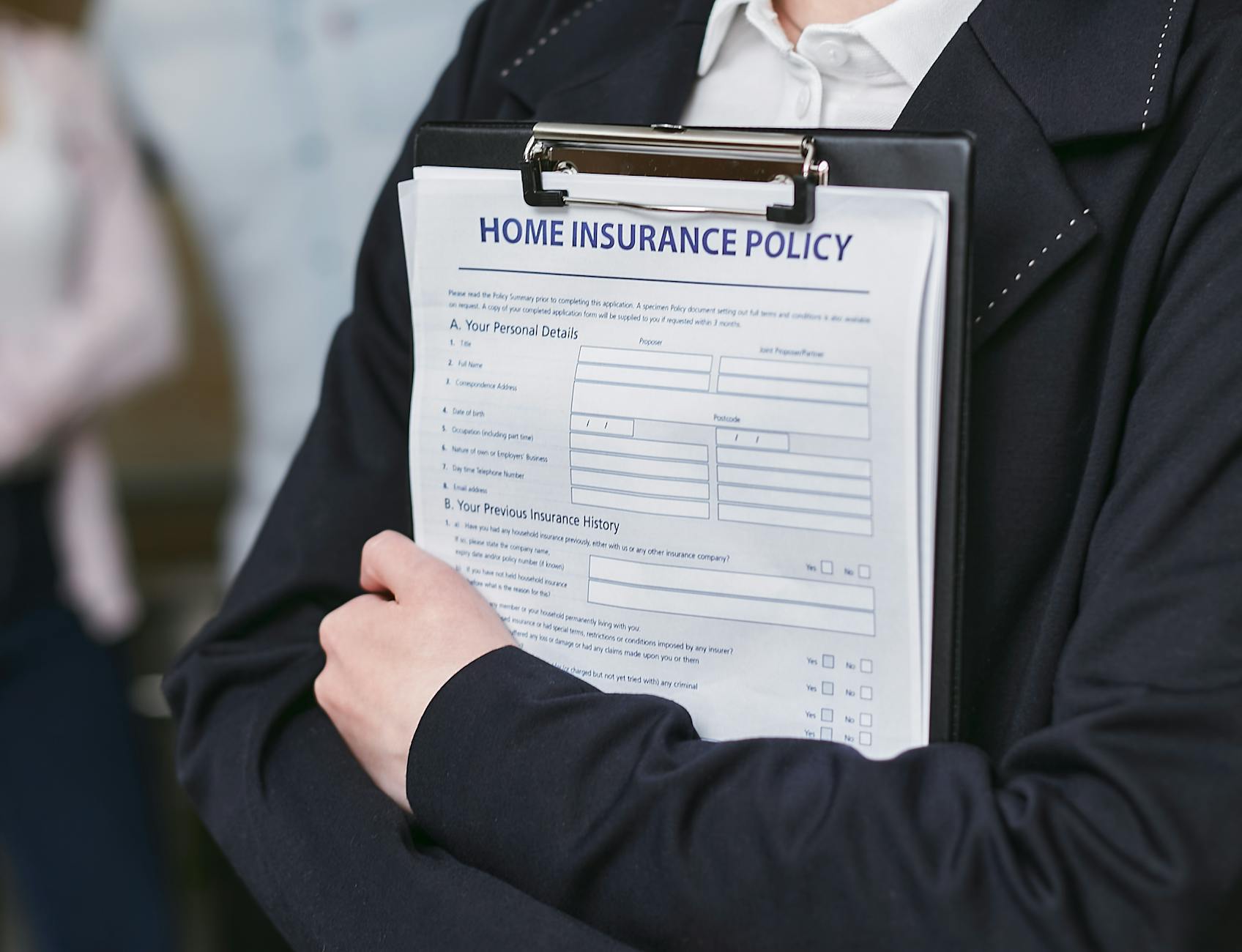
Preparing for an insurance adjuster visit can be a crucial step in ensuring a smooth claims process. To effectively prepare for your insurance adjuster visit, it is important to understand what to expect and how to communicate effectively. This article will guide you through the essential elements of preparation, including creating a comprehensive insurance adjuster checklist, understanding the home inspection for claim processes, and effective insurance claim preparation techniques. You will learn what to expect during the adjuster’s visit, which will help reduce anxiety and promote transparency. Additionally, we will discuss strategies for effective communication with your adjuster to ensure that all aspects of your claim are addressed thoroughly. Lastly, we will cover the final steps to take after the adjuster’s visit to keep your claim on track. For more information on the insurance claims process, you may find resources from the National Association of Insurance Commissioners helpful.
How to Prepare for Your Insurance Adjuster Visit
Understanding the Role of Insurance Adjusters
Insurance adjusters play a critical role in the claims process. They are responsible for assessing damages and determining the amount the insurance company should pay for a claim. During their visit, adjusters will inspect the property, document damages, and gather information necessary to evaluate your claim accurately. This visit is essential, as it directly influences the outcome of your insurance claim. Properly preparing for the insurance adjuster visit can significantly affect your claim’s success.
Importance of Insurance Claim Preparation: How to Prepare for Your Insurance Adjuster Visit
Being well-prepared for your insurance adjuster visit can streamline the claims process and ensure you receive a fair settlement. Here are some actionable steps to help you get ready:
- Create an Insurance Adjuster Checklist: Before the adjuster arrives, compile a checklist of all relevant documentation. This includes your policy details, previous communications with your insurer, and any photographs of the damage.
- Organize Your Evidence: Gather evidence of the damage, including photographs, repair estimates, and receipts. This will support your claim and provide a clear picture of the loss during the home inspection for claim.
- Review Your Insurance Policy: Familiarize yourself with your coverage limits and deductibles. Understanding your policy can help you clarify any uncertainties during the adjuster’s visit.
- Be Honest and Detailed: When speaking with the adjuster, provide accurate and detailed information about the damages and any previous repairs. Honesty is key to building trust and credibility.
Effective insurance claim preparation can make a significant difference in the claims process. By taking the time to prepare for your insurance adjuster visit, you increase your chances of a successful outcome. For more tips on navigating the claims process, consider referring to additional resources on insurance best practices.
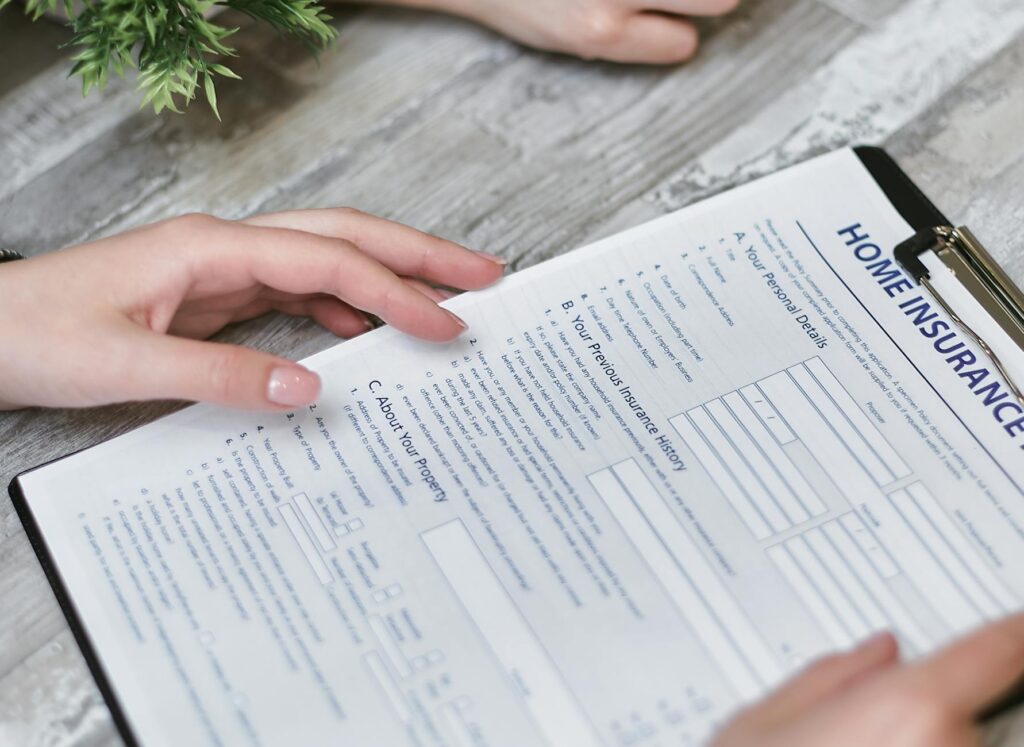
Creating Your Insurance Adjuster Checklist
Preparing for your insurance adjuster visit involves a thorough checklist to ensure you have all necessary documentation and that your home is ready for inspection. A well-prepared approach can significantly influence the outcome of your claim. Below are key items to include in your insurance adjuster checklist.
Gathering Documentation
Start by compiling crucial documents that support your insurance claim preparation. Here is a list of items you should gather:
- Insurance Policy Details: Have a copy of your policy handy, including coverage details and limits.
- Photos: Take clear photographs of any damage, ensuring you capture various angles and surrounding areas.
- Receipts and Estimates: Collect receipts for repairs or replacements, as well as estimates from contractors if applicable.
- Previous Claims: If you have a history of similar claims, gather documentation related to those cases.
- Inventory List: Create a detailed list of damaged or lost items, including their approximate value and purchase dates.
Having this documentation organized will not only streamline the adjuster’s visit but also reinforce your claim’s legitimacy.
Preparing Your Home for Inspection
Part of how to prepare for insurance adjuster visit includes making your home accessible and presentable for the inspection. Consider the following steps:
- Clear Access: Ensure that the adjuster can easily access all areas of your home, including basements, attics, and garages.
- Clean the Affected Areas: While you should not attempt repairs before the visit, cleaning up the areas affected by damage can help the adjuster assess the situation more accurately.
- Document Conditions: Note any existing conditions that might affect the claim, such as prior damage or maintenance issues.
- Be Available: Make sure you or a representative is present during the inspection to answer any questions the adjuster may have.
By following these preparation steps, you will set yourself up for a successful home inspection for claim purposes, assisting the adjuster in understanding the extent of the damage and the legitimacy of your claim.
What to Expect During the Adjuster’s Visit
When you prepare for your insurance adjuster visit, understanding the inspection process and common questions can significantly ease any anxiety. Here’s what to expect during the adjuster’s visit to your home.
The Inspection Process
The inspection typically begins shortly after the adjuster arrives. Here are the key steps involved:
- Introduction and Documentation: The adjuster will introduce themselves and may ask for your insurance policy information. Having your insurance policy handy can expedite this process.
- Visual Inspection: The adjuster will conduct a thorough examination of the property, focusing on areas affected by the claim. This often includes taking photographs and notes.
- Gathering Evidence: You may need to present any relevant documentation or evidence, such as receipts for repairs or previous home inspections related to the claim.
- Assessment of Damages: The adjuster will assess the extent of the damage, comparing it against your claims and the insurance claim preparation guidelines.
- Discussion of Findings: After the inspection, the adjuster may discuss initial findings and what the next steps will be.
Common Questions Adjusters May Ask
To effectively prepare for your insurance adjuster visit, anticipate common questions they may ask. These could include:
- What caused the damage?
- When did you first notice the issue?
- Have you made any temporary repairs?
- Can you provide receipts for any related expenses?
Being ready with answers not only helps the adjuster but also supports your claim. You can use an insurance adjuster checklist to prepare your responses and documents. This proactive approach can ensure a smoother claims process, ultimately aiding in quicker resolution of your home inspection for claim.
Effective Communication with Your Adjuster
When you prepare for an insurance adjuster visit, effective communication is key to ensuring your claims process runs smoothly. The adjuster is there to assess the damage and determine your settlement, so being clear and concise can help you achieve the best possible outcome.
How to Discuss Your Claim
Start by organizing your thoughts and gathering relevant documentation. An insurance adjuster checklist can help you keep track of what to discuss. Be sure to provide a detailed account of the incident, including dates, times, and specific events leading to the claim. Use clear, straightforward language to avoid misunderstandings.
- Prepare a summary of your claim, highlighting key details.
- Have any supporting documents readily available, such as photographs and receipts.
- Be honest about the extent of the damage and any previous repairs.
Encourage the adjuster to ask questions, and feel free to ask your own. This dialogue can clarify any uncertainties and ensure both parties are on the same page. Remember that the adjuster is there to help you navigate the claims process, so a collaborative approach can be beneficial.
Clarifying Your Concerns During the Adjuster’s Visit
As you prepare for the insurance adjuster visit, think about any specific concerns you might have regarding the claim. These could pertain to the types of damages covered or the timeline for processing your claim. Be proactive in expressing these concerns during your discussion.
- List out any questions or issues you want to address beforehand.
- Request clarification on any aspects of the home inspection for the claim that may be unclear.
- Ask about the next steps in the claims process to understand what to expect.
Effective communication is essential for successful insurance claim preparation. By expressing your concerns and seeking clarification, you can ensure a thorough understanding of the claims process and feel more confident in the outcome.
Final Steps After the Adjuster’s Visit
Reviewing the Adjuster’s Report After You Prepare for Your Insurance Adjuster Visit
Once the insurance adjuster has completed their visit, the next critical step in your insurance claim preparation is to thoroughly review the adjuster’s report. This document outlines the findings from the home inspection for claim purposes and assesses the damage or loss you reported. Pay close attention to the following:
- Accuracy: Ensure that the details in the report accurately reflect the damage and your claims.
- Coverage: Verify that the analysis aligns with your policy coverage. Understanding the coverage limits can help you avoid surprises later.
- Recommendations: Note any recommendations made by the adjuster regarding repairs or further evaluations.
It may be beneficial to compare the adjuster’s findings with your own records and the insurance adjuster checklist you prepared before the visit. If you find discrepancies, document your concerns and reach out to the adjuster or your insurance company for clarification.
Next Steps in the Claims Process
After reviewing the adjuster’s report, the next steps in the claims process involve communication and follow-up. Here’s what to do:
- Contact Your Insurance Company: Reach out to your insurer to discuss the adjuster’s findings. Clarify any points of confusion and inquire about the next steps.
- Submit Additional Documentation: If requested, provide any additional documents or evidence that support your claim.
- Follow Up Regularly: Keep in touch with your insurance company to ensure your claim is progressing. Set reminders for follow-up calls if you do not hear back within the expected timeframe.
By staying proactive in your communication, you can help facilitate a smoother claims process and enhance the likelihood of a favorable resolution. Remember, effective follow-up is crucial in navigating your insurance claim successfully.
Preparing for your insurance adjuster visit is essential for a smooth and efficient claims process. By following the insurance adjuster checklist and gathering all necessary documentation, you can ensure that your home inspection for claim purposes goes as smoothly as possible. Being organized not only helps you present your case more effectively but also demonstrates your commitment to the claims process, which can positively influence the outcome.
As you engage in your insurance claim preparation, remember to take thorough notes during the adjuster’s visit and ask any questions you may have. This proactive approach will not only clarify the process but also help you better understand what to expect moving forward. Take the first step today by reviewing your policy and assembling the required documents, ensuring you are fully prepared for your insurance adjuster visit.
“`html
What should I do to prepare for my insurance adjuster’s visit?
To prepare for your insurance adjuster’s visit, gather all relevant documents, such as your insurance policy, previous correspondence, and any claims you’ve filed. Take photos of the damaged areas and create a list of damaged items with their estimated values. It’s also helpful to prepare a timeline of events leading to the damage. Ensuring your home is accessible and organized will help facilitate a smoother inspection. This preparation can significantly assist in your insurance claim preparation.
What is included in an insurance adjuster checklist?
An insurance adjuster checklist typically includes items such as verifying the policy details, assessing the extent of damages, documenting losses with photos, and taking notes on the circumstances of the incident. Adjusters may also check for safety hazards and determine the cause of the damage. Having your own checklist aligned with the adjuster’s can ensure that nothing crucial is overlooked during the inspection.
How can I prepare my home for an inspection?
To prepare your home for an inspection, clean the affected areas to allow the adjuster to see the full extent of the damage. Remove any obstructions that could hinder access to damaged parts of the home. Ensure that all utilities are functioning, as adjusters may need to check for risks related to electricity or plumbing. A well-prepared home can help demonstrate the impact of the damage on your living space.
What can I expect during the adjuster’s visit?
During the adjuster’s visit, you can expect them to conduct a thorough inspection of the damaged areas, ask questions about the incident, and document their findings. They may take photographs, measurements, and notes to support your claim. The adjuster will assess the damage and may provide an initial estimate for repairs. Be prepared to discuss the details of your claim and any relevant information that can assist in their evaluation.
What questions will the adjuster ask during the inspection?
During the inspection, the adjuster will likely ask questions about how the damage occurred, the timeline of events, and whether you had previously reported any issues. They may inquire about any repairs already made or temporary measures you’ve taken. Additionally, expect questions regarding your insurance policy and any other claims you may have filed. Providing clear and accurate answers will help facilitate the claims process.
What are the next steps after the insurance adjuster’s visit?
After the insurance adjuster’s visit, you will typically receive a report detailing their findings and recommendations. Depending on the outcome, your insurance company will review the report and make a decision regarding your claim. You may be contacted for additional information or clarification if needed. Once approved, you will receive compensation for your damages, which can help in covering repair costs or replacing lost items.
“`