
Estimating your personal injury claim value can be a daunting task, yet it is essential for ensuring you receive fair compensation for your injuries. Understanding how to accurately estimate personal injury claim value involves a thorough personal injury evaluation, considering various factors like medical expenses, lost wages, and pain and suffering. This article will guide you through the steps needed to conduct a reliable claim value estimation, highlight common mistakes people make when assessing their injury claim worth, and discuss when it might be prudent to seek professional help. Whether you are navigating the complexities of a personal injury case or simply seeking to understand the process better, our insights will equip you with the knowledge necessary to make informed decisions and improve your negotiation posture. For further reading on the legal aspects of personal injury claims, visit Nolo or explore the resources available at FindLaw.
Understanding How to Estimate Your Personal Injury Claim Value
Estimating your personal injury claim value can feel overwhelming, especially when you’re dealing with physical, emotional, and financial stress. Accurate estimation is crucial for ensuring that you receive fair compensation for your injuries and losses. Various factors influence the claim value estimation, and understanding these can empower you in your negotiations with insurers and legal representatives.
What Factors Influence Claim Value Estimation?
Several key factors contribute to the overall worth of your injury claim:
- Medical Expenses: All medical costs associated with your injury, including hospital bills, rehabilitation, and ongoing treatment, play a significant role in determining your claim’s value. Studies show that medical expenses are often the largest component of personal injury claims.
- Lost Wages: If your injury prevents you from working, the income you lose can be included in your claim. Documenting your salary and the time you are unable to work is essential for substantiating this aspect of your injury claim worth.
- Pain and Suffering: This is a more subjective factor but is commonly factored into claim evaluations. It refers to the physical and emotional distress caused by your injury and can significantly affect your total claim value.
Understanding these factors helps you better estimate personal injury claim value and prepare for discussions with your attorney or insurance provider.
The Role of Insurance Companies in Claim Value Evaluation
Insurance companies play a pivotal role in the personal injury evaluation process. They assess claims using a variety of criteria, including the factors mentioned above, to determine how much compensation is warranted. Insurers often rely on established algorithms and historical data to estimate claim values, which can sometimes lead to undervaluation of claims. For this reason, having comprehensive documentation and a clear understanding of your case is essential.
When negotiating with an insurance company, be prepared to present evidence of your expenses, lost wages, and the impact of your injuries on your quality of life. If you feel that your claim has been unfairly evaluated, consider seeking legal representation to advocate on your behalf.

By understanding how to estimate your personal injury claim value and the role of insurance companies in this process, you can approach your case with confidence and clarity.
Steps to Conduct a Personal Injury Evaluation
Gathering Necessary Documentation for Your Injury Claim Worth
To accurately estimate your personal injury claim value, the first step is to gather all necessary documentation. This includes:
- Medical Records: Obtain records from hospitals, doctors, and specialists that detail your injuries and treatments.
- Police Reports: Secure any police reports related to the incident, as they provide official documentation of the events.
- Witness Statements: Collect statements from witnesses who can corroborate your account of the incident.
- Income Statements: Include pay stubs or tax returns to demonstrate lost wages due to your injury.
- Insurance Documents: Review your insurance policies to understand coverage limits and other relevant details.

Calculating Economic and Non-Economic Damages to Estimate Personal Injury Claim Value
Once documentation is compiled, the next step is to calculate both economic and non-economic damages to fully assess your claim value estimation.
- Calculate Economic Damages: These are quantifiable costs directly related to your injury, including:
- Medical expenses (hospital stays, surgeries, rehabilitation)
- Lost wages from missed work
- Future medical care and treatment costs
- Pain and suffering
- Emotional distress
- Loss of companionship or enjoyment of life
To determine the value of these non-economic damages, many rely on a multiplier method, which typically ranges from 1.5 to 5 times the economic damages, depending on the severity of the injury and impact on life.
Overall, conducting a thorough personal injury evaluation is essential for establishing an accurate estimate of your claim’s worth. Proper documentation and damage calculations will not only aid in negotiations but also provide a solid foundation if your case progresses to trial. For more detailed insights, explore Top Factors Affecting Your Personal Injury Claim Value.
Common Mistakes in Estimating Injury Claim Worth
When you set out to estimate your personal injury claim value, it’s essential to avoid common pitfalls that can lead to an inaccurate assessment of your claim worth. Understanding these mistakes can help you achieve a more realistic claim value estimation.
Overestimating or Underestimating Damages
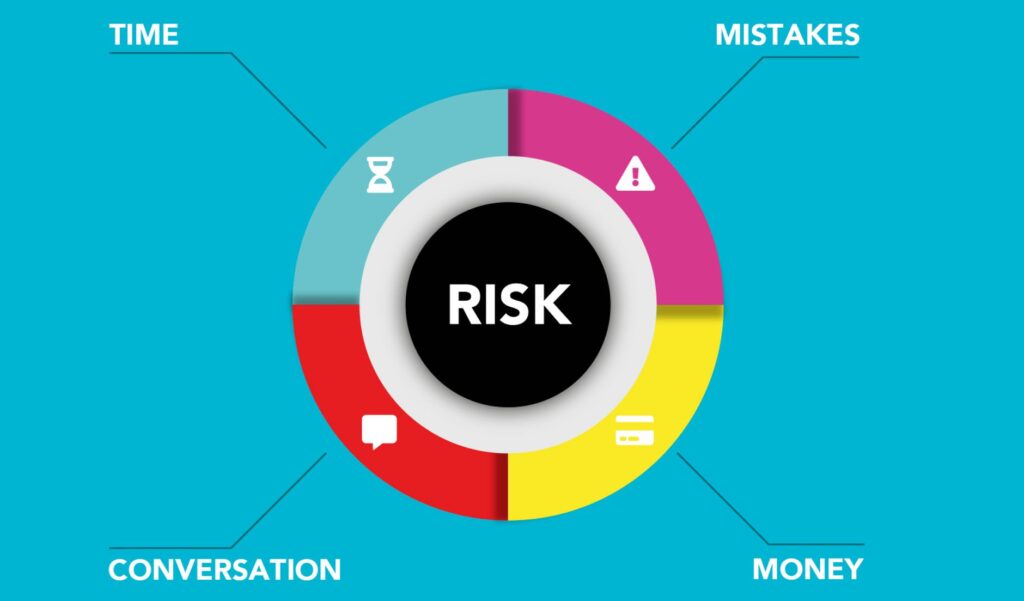
One of the most frequent errors is the emotional bias that can cause claimants to either inflate or deflate their damages. For instance, individuals may feel their suffering justifies a higher compensation, leading to an overestimation. Conversely, some may downplay their injuries to avoid confrontation or simply because they feel guilty about claiming compensation. This emotional influence can skew the true value of your injury claim worth and undermine your ability to secure fair compensation.
Ignoring Future Medical Needs in Your Estimate of Personal Injury Claim Value
Another critical error is neglecting to account for future medical expenses. Many injuries have long-term consequences that require ongoing treatment, rehabilitation, or even surgical intervention down the line. Failing to consider these future medical needs can significantly undervalue your claim. It’s important to include estimates for ongoing care, potential surgeries, and other long-term health impacts when conducting a personal injury evaluation.
To avoid these pitfalls, gather comprehensive documentation of both current and projected medical expenses. Consulting with medical professionals can provide insights into the future implications of your injuries, ensuring a more accurate estimate of your personal injury claim value. You may also consider seeking help from professionals or legal experts who specialize in personal injury claims to guide you through the process and help mitigate emotional biases.
When to Seek Professional Help for Your Claim Value Estimation
Estimating the value of your personal injury claim can be a complex process, especially when factoring in both economic and non-economic damages. While you may have a general idea of your injury claim worth, there are instances where consulting with professionals becomes invaluable. Understanding when to seek expert assistance can significantly impact the outcome of your claim.
Consulting with Personal Injury Attorneys
One of the primary scenarios in which you should consider reaching out to a personal injury attorney is when your case involves significant medical expenses, lost wages, or long-term rehabilitation needs. Attorneys specialize in personal injury evaluation and can help you navigate the intricacies of the legal system. They have experience in negotiating with insurance companies and can provide insights into the true value of your claim. Furthermore, if you are facing resistance from the opposing party or if your case might go to trial, legal representation is essential to advocate for your rights and maximize your claim value estimation.
Utilizing Professional Evaluators to Estimate Your Personal Injury Claim Value
In some cases, you may benefit from the expertise of professional evaluators who specialize in assessing injury claims. These experts can provide an objective analysis of your damages, considering factors such as pain and suffering, emotional distress, and other intangible losses that are often difficult to quantify. A thorough claim value estimation performed by a professional can help substantiate your demands during negotiations and provide a clearer picture of your claim’s worth. If your case involves complicated medical conditions or long-term implications, engaging a professional evaluator is a prudent step to ensure you accurately estimate personal injury claim value.
Ultimately, whether you choose to consult a personal injury attorney or utilize professional evaluators, involving experts in your claim can provide clarity and bolster your case. By leveraging their knowledge, you can navigate complex situations more effectively and work toward achieving a fair settlement.
Final Thoughts on Estimating Your Personal Injury Claim Value
Recap of Key Points on How to Estimate Your Personal Injury Claim Value
Throughout this article, we have discussed the essential components involved in estimating your personal injury claim value accurately. Understanding the various factors that influence claim value estimation is crucial. This includes medical expenses, lost wages, emotional distress, and any long-term impacts on your quality of life. By gathering evidence, such as medical records and accident reports, you can better assess your injury claim worth. Additionally, consulting with a legal professional can provide insights into potential compensation and help navigate the complexities of the claims process.
Accurate personal injury evaluation is not just about crunching numbers; it also involves recognizing the unique aspects of your situation. Every case is different, and the nuances of your particular injury, circumstances, and jurisdiction can drastically influence the final outcome. Engaging with an attorney experienced in personal injury cases can equip you with the knowledge and support necessary to optimize your claim value estimation effectively.

Encouragement to Take Action
Now that you have a clearer understanding of how to estimate your personal injury claim value, it’s time to take action. Begin gathering the necessary documentation and start a dialogue with your healthcare providers and legal representatives. Don’t hesitate to ask questions and seek clarification on any points that are unclear. Remember that the more proactive you are in this process, the better equipped you will be to advocate for your rights and secure the compensation you deserve.
By taking these steps, you will not only enhance your understanding of your case but also significantly improve your chances of a favorable outcome. For more detailed guidance on navigating your personal injury claim, consider reaching out to a knowledgeable attorney who can provide personalized support tailored to your circumstances. Your journey toward fair compensation starts with informed actions today.
Accurately estimating your personal injury claim value is crucial for ensuring you receive the compensation you deserve. By understanding the factors that influence your injury claim worth, such as medical expenses, lost wages, and emotional distress, you can engage in a thorough personal injury evaluation. This knowledge empowers you to negotiate effectively with insurance companies and legal representatives.
As you embark on this process, consider consulting with a qualified attorney who specializes in personal injury cases. They can provide valuable insights into your claim value estimation and help you navigate the complexities of your case. Taking this proactive step will significantly enhance your chances of achieving a favorable outcome in your claim.
“`html
How do I estimate my personal injury claim value?
To estimate your personal injury claim value, start by assessing both economic and non-economic damages. Economic damages include medical bills, lost wages, and property damage, while non-economic damages involve pain and suffering, emotional distress, and loss of enjoyment of life. Gathering detailed documentation and evidence to support your claims is crucial. Additionally, consider similar cases in your jurisdiction to gauge a reasonable range for your claim. Consulting with a professional can also provide valuable insights.
What factors affect the worth of an injury claim?
Several factors impact the worth of an injury claim, including the severity of injuries, the extent of medical treatment required, the impact on your daily life, and the clarity of liability. Other considerations include your age, occupation, and any pre-existing conditions. The jurisdiction where the claim is filed can also influence potential compensation amounts due to differing laws and precedents. Understanding these factors can help you better estimate personal injury claim value.
Should I hire an attorney to evaluate my personal injury claim?
Hiring an attorney can be beneficial for evaluating your personal injury claim. An experienced lawyer can provide an objective assessment, help gather necessary documentation, negotiate with insurance companies, and represent you in court if necessary. They can also ensure you understand your rights and the potential value of your claim. While you can estimate personal injury claim value on your own, professional guidance often results in a more accurate and favorable outcome.
What is included in a personal injury evaluation?
A personal injury evaluation typically includes a comprehensive assessment of medical records, treatment history, and related expenses. It also considers the impact of the injury on your daily life, including lost income and emotional distress. In addition, the evaluation may factor in expert testimonies, accident reports, and evidence of liability. This thorough review will help establish a clearer picture of the potential claim value.
How can I avoid mistakes in estimating my injury claim worth?
To avoid mistakes in estimating your injury claim worth, ensure you gather all relevant documentation, including medical records and bills. Be honest about your injuries and their impact on your life, as exaggeration can lead to complications later. Additionally, consider seeking professional consultation to gain insights into potential pitfalls. Avoid rushing the estimation process, as taking the time to understand all factors involved will lead to a more accurate claim value estimation.
What documentation do I need for claim value estimation?
For claim value estimation, you will need a variety of documentation, including medical records, invoices for medical treatment, and proof of lost wages. Additionally, any evidence related to the accident, such as police reports, photographs, and witness statements, will be important. Keep a record of any correspondence with insurance companies and your attorney. This documentation will provide a solid foundation for accurately estimating your personal injury claim value.
“`