
Pain and suffering claims are a crucial aspect of personal injury cases, often representing the emotional and psychological toll an injury can inflict on an individual. Understanding these claims is essential for anyone seeking injury compensation, as they encompass more than just physical injuries. This article will delve into the intricacies of pain and suffering claims, starting with a clear definition of what they entail. We will explore how to calculate pain suffering effectively to ensure that victims receive appropriate injury compensation pain for their losses. Additionally, we will examine factors that contribute to determining fair settlement pain in injury claims, helping you navigate the complexities of the legal system. Common misconceptions about pain and suffering claims will also be addressed, providing clarity on this often-misunderstood aspect of personal injury law. Finally, we will discuss the crucial steps to take after an injury, empowering victims to pursue their rightful claims. For a comprehensive understanding of your rights and options, it is vital to stay informed and proactive when dealing with pain and suffering claims.
Definition of Pain and Suffering Claims
Pain and suffering claims represent a crucial component of personal injury cases, focusing on the non-economic damages that an injured party experiences due to an accident or incident. These claims encompass both physical pain and emotional distress, recognizing that injuries can lead to significant suffering beyond mere medical expenses. When evaluating injury compensation pain, courts often consider the impact on the victim’s quality of life, including aspects such as emotional turmoil, anxiety, and depression resulting from the injury.
Unlike tangible losses, such as medical bills or lost wages, pain and suffering claims are inherently subjective, making them more complex to quantify. However, they play a vital role in ensuring that victims receive fair compensation that reflects their overall suffering. The amount awarded can vary significantly based on the severity of the injury, the duration of recovery, and the individual’s personal circumstances.
Types of Pain and Suffering in Injury Claims
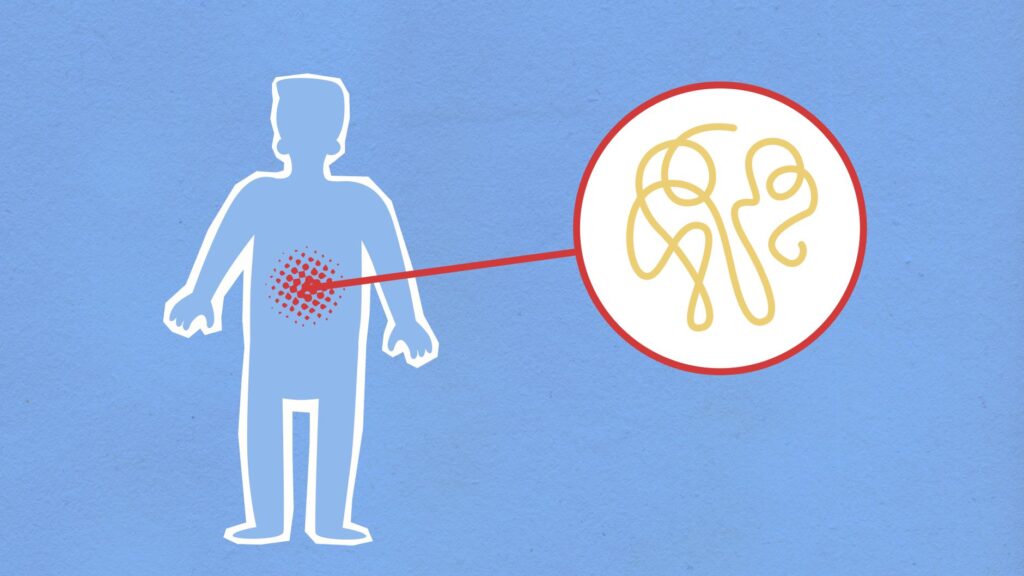
In the realm of personal injury law, pain and suffering can be categorized into two main types: physical pain and emotional distress. Physical pain encompasses the discomfort and suffering experienced due to the injury itself, which may include chronic pain conditions, disabilities, or limitations in mobility. Emotional distress, on the other hand, involves psychological impacts, such as anxiety, depression, or PTSD, that can arise following an injury.
To accurately calculate pain suffering, attorneys often employ various methods, including the multiplier approach or per diem method, to estimate the financial value of these intangible losses. Understanding the nuances of pain and suffering claims is essential for victims seeking a fair settlement pain that adequately compensates for all dimensions of their suffering, not just the immediate physical injuries.
Methods for Calculating Pain and Suffering Claims
Calculating pain and suffering can be complex, as it involves subjective elements that are difficult to quantify. However, several established methods can assist in determining a fair settlement for pain and suffering claims.
Two of the most commonly used methods are the multiplier method and the per diem method.
- Multiplier Method: This approach involves multiplying the total medical expenses by a specific number, typically ranging from 1.5 to 5, depending on the severity of the injury. For example, if your medical expenses amount to $10,000 and you multiply it by 3, you could seek $30,000 for pain and suffering.
- Per Diem Method: Here, a daily rate is assigned to the suffering experienced by the injured party, which is then multiplied by the number of days the individual has endured pain. For instance, if you value your suffering at $100 per day and the recovery period lasts 60 days, your pain and suffering claim would total $6,000.

Factors Influencing Pain and Suffering Compensation
Several factors influence the compensation awarded for pain and suffering. Understanding these elements can help in negotiating a fair settlement for pain related to your injury.
- Severity of the Injury: More severe injuries typically result in higher compensation due to the greater impact on the individual’s life.
- Duration of Pain: The length of time the injured party experiences pain can significantly influence the compensation amount. Chronic pain often yields higher settlements.
- Impact on Daily Life: How the injury affects your ability to perform daily activities, work, and engage in social interactions plays a crucial role in determining compensation for injury compensation pain.
By considering these factors and employing the appropriate methods, you can better navigate the complexities of pain and suffering claims to achieve a just compensation. For more information on the legal aspects of these claims, refer to Understanding Pain and Suffering Compensation in Injury Claims.
Determining Fair Settlement Pain in Injury Claims
What is Considered a Fair Settlement?
Determining what constitutes a fair settlement pain in injury claims can be complex. Generally, a fair settlement should account for both tangible and intangible losses. Tangible losses include medical expenses, lost wages, and property damage, while intangible losses refer to pain and suffering claims, emotional distress, and loss of enjoyment of life.
To calculate pain suffering effectively, many insurance companies utilize a multiplier method, where they multiply the total medical expenses by a factor typically ranging from 1.5 to 5, depending on the severity of the injuries. For instance, a minor injury might use a lower multiplier, while more severe or permanent injuries could warrant a higher one. Understanding this calculation can empower claimants to negotiate effectively and ensure they receive adequate injury compensation pain.
According to the National Center for Biotechnology Information, emotional distress and its impact on daily life are crucial factors in evaluating pain and suffering claims. Notably, the jurisdiction also plays a significant role, as different states have varying laws governing these claims.
Negotiating Pain and Suffering Settlements
Negotiating pain and suffering settlements requires strategic planning and awareness of common pitfalls. First, it is essential to present clear evidence of both physical and emotional impact. Medical records, therapy notes, and personal statements can substantiate claims and facilitate a better understanding of the injury’s effects.
During negotiations, avoid accepting the first offer, as initial settlements often underestimate the true value of the claim. Instead, use your calculated figures and evidence to justify a higher settlement. It can also be beneficial to engage an attorney experienced in pain and suffering claims, as they can provide guidance and advocacy throughout the process.
Furthermore, be cautious of verbal agreements or pressure tactics from insurance adjusters. Ensure all agreements are documented and reviewed before acceptance. By maintaining a firm stance and being well-informed, claimants can navigate the negotiation landscape effectively and avoid common pitfalls.

Common Misconceptions About Pain and Suffering Claims
Myth vs. Reality
There are numerous misconceptions surrounding pain and suffering claims that can lead to confusion for claimants. One prevalent myth is that only physical injuries qualify for pain and suffering compensation. In reality, emotional distress, psychological impacts, and loss of enjoyment of life are also valid components of these claims. Many individuals underestimate the breadth of what can be considered under the umbrella of pain and suffering, thereby missing potential compensation for their experiences.
Another common misunderstanding is that pain and suffering claims are automatically awarded or are an easy win. The truth is, these claims require substantial evidence to support the extent of the suffering endured. This often involves detailed documentation from medical professionals, psychological evaluations, and personal testimonies. Furthermore, the notion that one can simply calculate pain suffering by taking a set formula is misleading; each case is unique and assessed based on individual circumstances.
How Misunderstandings Affect Settlements
Misunderstandings about what constitutes pain and suffering can severely impact injury compensation pain outcomes. For instance, if a claimant believes only visible injuries matter, they may underreport their emotional or psychological distress, resulting in a significantly lower settlement offer. Additionally, misconceptions can lead to unrealistic expectations regarding the compensation process, which can hinder negotiations with insurance companies.
Understanding the full spectrum of what pain and suffering claims entail is critical for achieving a fair settlement pain. By educating oneself on these misconceptions, claimants can better prepare their cases and advocate for their rightful compensation. 
Taking Action: Steps to Take After an Injury
Documenting Your Pain and Suffering for Claims
After an injury, effectively documenting your pain and suffering is crucial for substantiating your pain and suffering claims. This documentation can significantly influence the outcome of your case and help maximize your injury compensation pain. Here are actionable steps to consider:
- Keep a Pain Journal: Record daily entries about your pain levels, emotional distress, and how your injury affects your daily activities. This can include details about physical limitations, medication usage, and emotional struggles.
- Collect Medical Records: Obtain copies of all medical records related to your injury, including diagnosis, treatment plans, and any referrals to specialists. These documents serve as essential evidence of your pain and suffering.
- Gather Witness Statements: If others have observed the impact of your injury on your life, ask them to provide written statements detailing what they’ve seen. This can strengthen your claims.
- Document Financial Impact: Keep records of any expenses incurred due to your injury, including medical bills, therapy costs, and lost wages. This information can aid in calculating pain suffering and overall compensation.

Seeking Legal Help for Injury Compensation
Engaging a legal professional can significantly enhance your chances of receiving a fair settlement pain for your injuries. Here’s why seeking legal help is vital:
- Expertise in Pain and Suffering Claims: A personal injury attorney can help you navigate the complexities of pain and suffering claims, ensuring that you understand your rights and options.
- Maximizing Compensation: An experienced lawyer can provide insights on how to calculate pain suffering accurately, which can lead to a higher settlement offer from insurance companies.
- Negotiation Skills: Attorneys are skilled negotiators who can advocate on your behalf, pushing for the compensation you deserve, especially if an insurance adjuster undervalues your claims.
- Litigation Support: If negotiations fail, having an attorney can prepare you for court, ensuring that your case is presented effectively.
Choosing to seek legal assistance is a proactive step towards ensuring that you receive the compensation necessary to recover from your injury fully. Don’t hesitate to reach out to a qualified attorney who can guide you through the process and help you secure the compensation you deserve.
Understanding the intricacies of pain and suffering claims is essential for anyone navigating the complexities of injury compensation. Successfully calculating pain and suffering requires a comprehensive approach, taking into account both physical and emotional damages. Clients should be prepared to present their case effectively, ensuring that all aspects of their suffering are documented and articulated. A fair settlement pain hinges on clear evidence and experienced legal guidance, which can significantly influence the outcome of a claim.
If you or a loved one is considering a claim, it is advisable to consult with a qualified attorney who specializes in injury cases. They can help you calculate pain suffering accurately and advocate for the best possible injury compensation pain. Taking this next step can enhance your chances of achieving the compensation you deserve, allowing you to focus on healing and recovery.
“`html
How are pain and suffering claims calculated?
Pain and suffering claims are typically calculated using one of two methods: the multiplier method or the per diem method. The multiplier method takes your total economic damages, like medical bills and lost wages, and multiplies it by a number (usually between 1.5 to 5) reflecting the severity of your injuries. The per diem method assigns a daily value to your pain and suffering and multiplies it by the number of days you experienced discomfort. Both methods aim to fairly compensate you for your emotional and physical distress.
What factors influence injury compensation pain?
What is a fair settlement pain amount?
A fair settlement pain amount varies widely based on the specifics of each case. Factors like the severity of your injuries, your medical expenses, and how your life has changed can all affect what is considered fair. Generally, settlements can range from thousands to millions of dollars, depending on the circumstances. It’s essential to consult with a legal professional who can help you evaluate your case and fight for a fair settlement pain amount.
Can I claim pain and suffering for emotional distress?
Yes, you can claim pain and suffering for emotional distress in many cases. Emotional distress may arise from the trauma of an accident, physical injuries, or even witnessing a traumatic event. To include emotional distress in your pain and suffering claims, you will typically need to provide evidence, such as medical records or psychological evaluations, demonstrating the impact on your mental well-being.
How long do I have to file a pain and suffering claim?
The time limit to file a pain and suffering claim varies by state, known as the statute of limitations. Typically, you may have anywhere from one to six years from the date of the injury to file a claim, depending on your jurisdiction. It’s crucial to act promptly, as delays could jeopardize your ability to receive compensation for your pain and suffering.
What evidence do I need for a pain and suffering claim?
To support your pain and suffering claims, you will need various types of evidence. This can include medical records documenting your injuries and treatment, photographs of your injuries, and testimony from healthcare providers about your condition. Additionally, personal journals detailing your pain levels and how your life has been affected can strengthen your claim. Witness statements and expert opinions may also be useful in substantiating your case.
“`