Understanding the role of injury claim evidence is crucial for anyone navigating the complexities of personal injury claims. This evidence plays a pivotal role in determining the strength of your case and can significantly influence the settlement offers you receive. Key components of injury claim evidence include medical records, which provide essential documentation of your injuries, and accident documentation that outlines the circumstances surrounding the incident. Additionally, witness statements can add credibility to your claims, while compensation proof highlights the financial impact of your injuries. This article will explore how these elements work together to build a strong case, the challenges associated with gathering comprehensive injury claim evidence, and strategies to maximize your settlement offer.
Understanding Injury Claim Evidence: What You Need to Know
When pursuing an injury claim, understanding the types of evidence that can bolster your case is paramount. The strength of your claim often hinges on the quality and comprehensiveness of the injury claim evidence you present. This evidence serves not only to substantiate the extent of your injuries but also to establish the liability of the responsible party, playing a crucial role in settlement negotiations.
The Role of Medical Records in Injury Claims
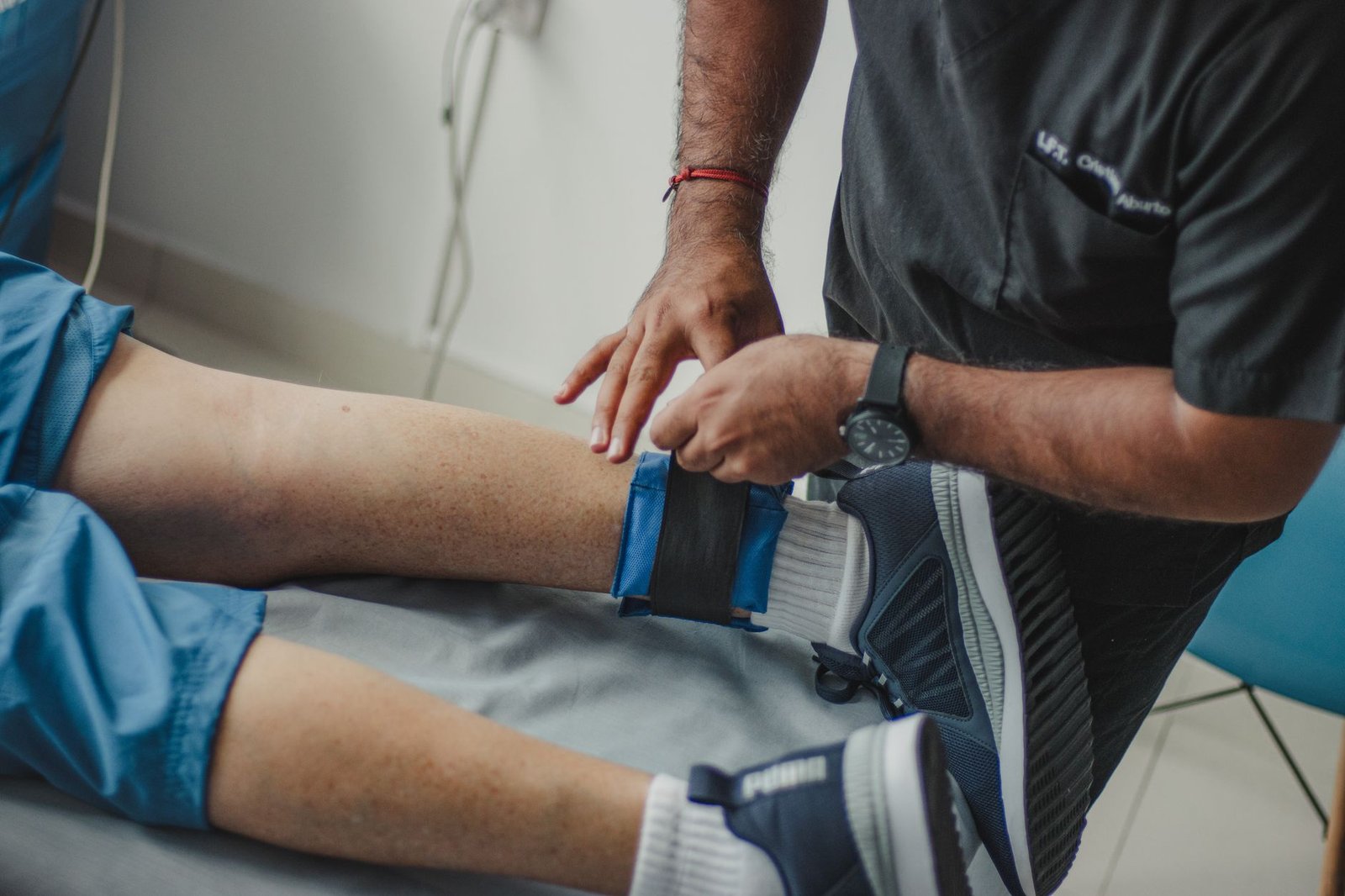
Medical records are the backbone of any injury claim, providing concrete evidence of your injuries and the treatment you’ve received. These documents detail the nature and severity of your injuries, the medical interventions required, and the prognosis for recovery. A comprehensive set of medical records can significantly influence the evaluation of your claim by insurance adjusters and legal representatives alike. For example, a study from the National Institutes of Health indicates that clear documentation of medical treatment correlates with higher compensation offers. Without this vital injury claim evidence, proving the legitimacy of your claims becomes a daunting task.
Importance of Accident Documentation and Witness Statements
Equally crucial are accident documentation and witness statements, which help to paint a complete picture of the circumstances surrounding the incident. Accident documentation, such as police reports and photographs from the scene, can establish liability and provide context for your injuries. Witness statements can further corroborate your account, lending credibility to your claims. In fact, many successful injury claims hinge on the presence of reliable witness statements that confirm the events leading to the injury. Without solid evidence of how the accident occurred, your ability to negotiate a fair settlement may be severely compromised.
injury claim evidence is indispensable in supporting your case. From medical records that validate your injuries to documentation and witness statements that establish liability, each piece of evidence plays a critical role in influencing settlement offers. Understanding and gathering this evidence should be a top priority for anyone seeking compensation for their injuries.
Compensation Proof: The Financial Aspects of Injury Claims
Calculating Damages: What Compensation Proof Is Essential?
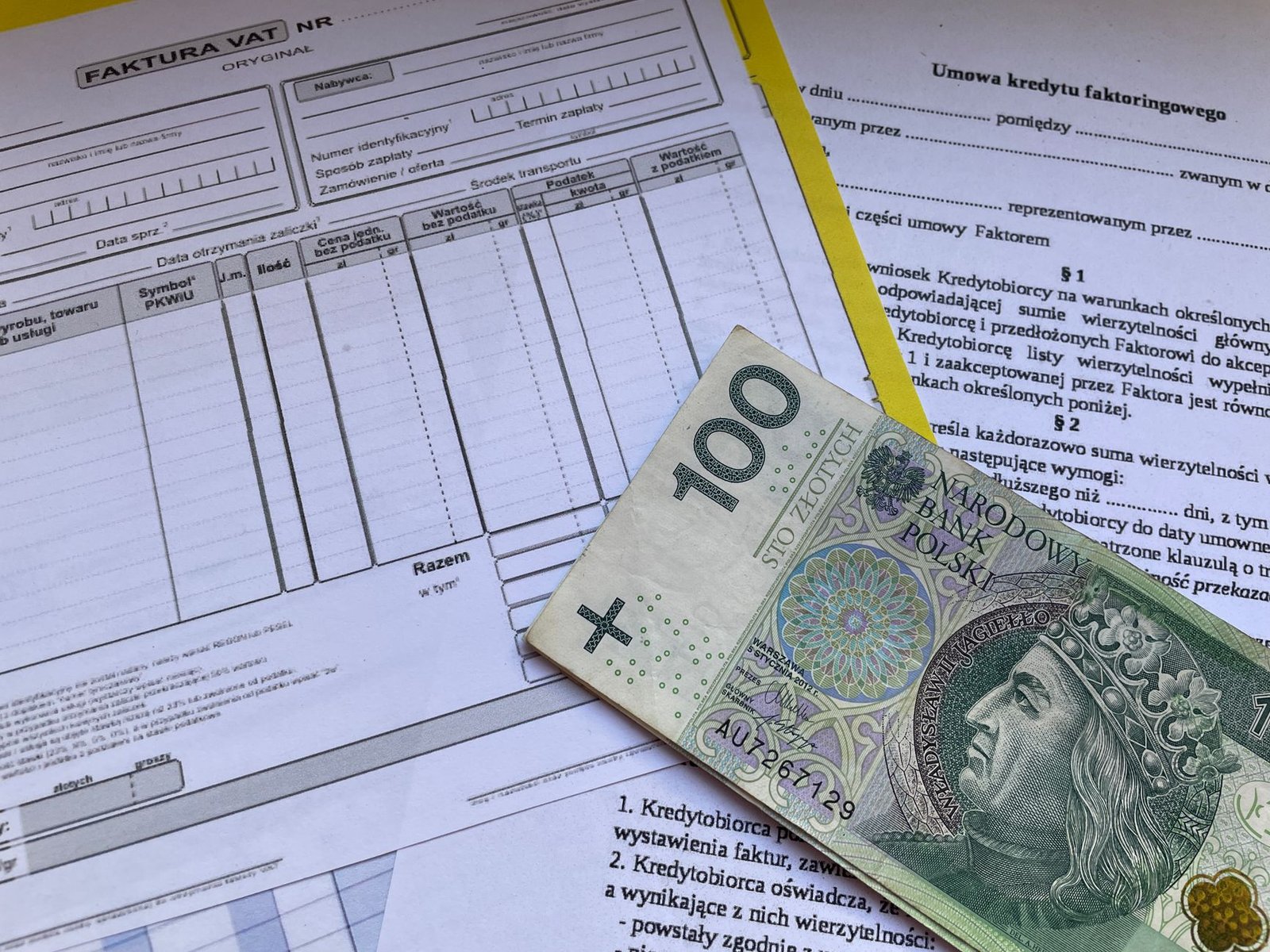
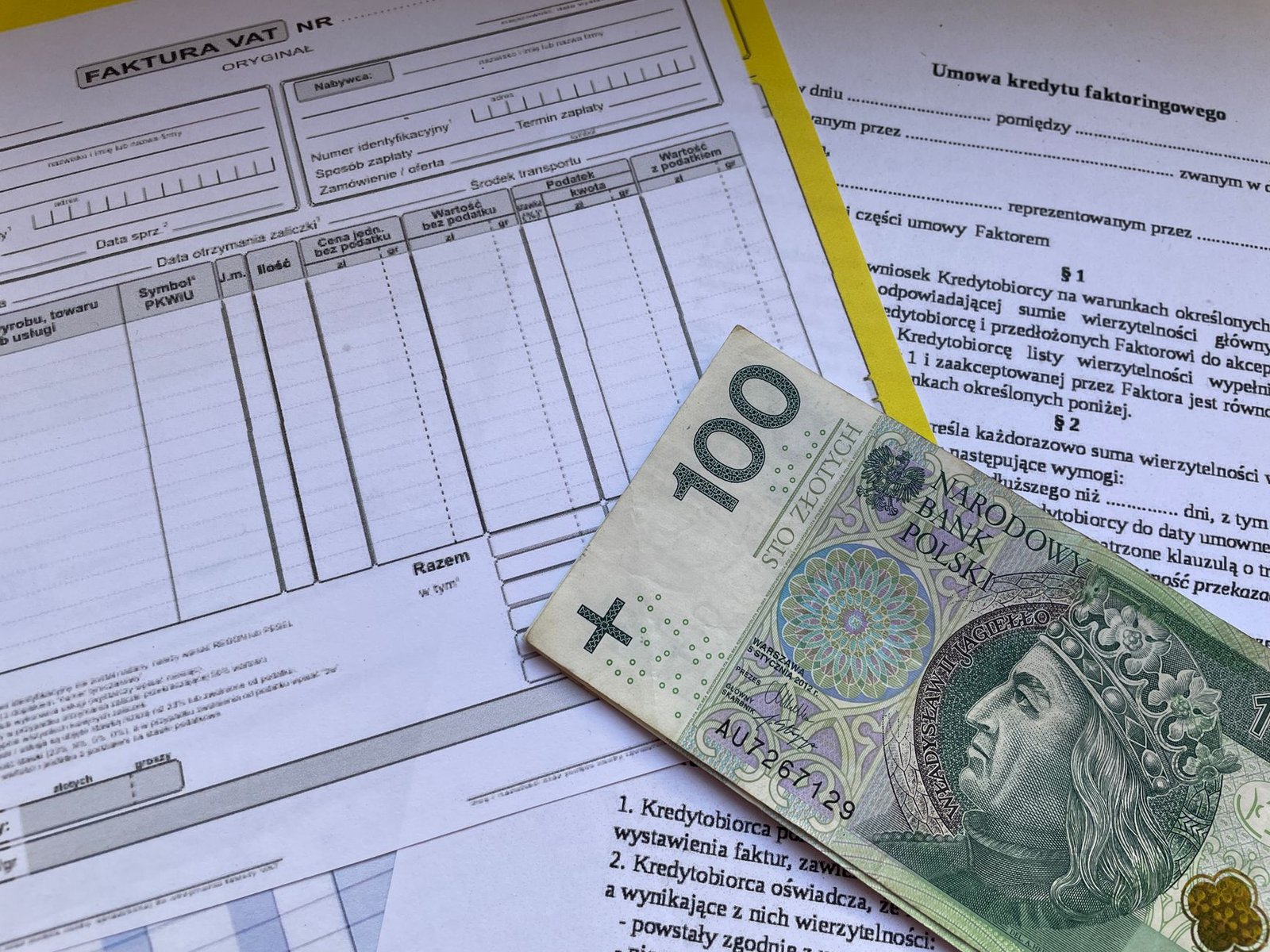
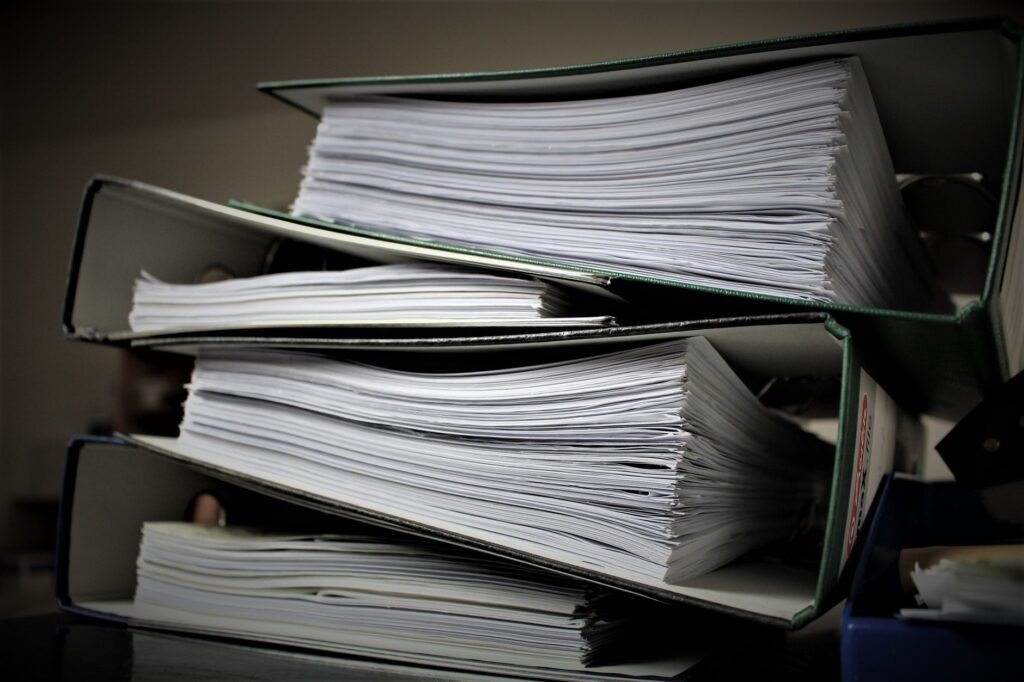
To secure a favorable settlement in an injury claim, presenting robust compensation proof is crucial. This proof encompasses various financial records, such as medical bills, pay stubs, and receipts for out-of-pocket expenses related to the injury. These documents serve as tangible evidence of the financial impact the injury has had on the claimant’s life. For instance, a well-documented collection of medical records not only showcases the extent of the injuries but also helps to calculate medical expenses accurately. Similarly, accident documentation, including police reports and photographs, provides context to the injury, reinforcing the validity of the claim.
Moreover, witness statements can further strengthen an injury claim by corroborating the circumstances of the accident. While subjective in nature, these statements can provide essential context, enhancing the overall credibility of the compensation proof. When negotiating a settlement, insurance companies are more likely to respond favorably to a comprehensive presentation of injury claim evidence that clearly articulates the financial losses incurred.
How Financial Records Influence Settlement Offers
Financial records play an integral role in determining the value of a settlement offer. For example, consistent pay stubs can illustrate lost wages due to the inability to work, a significant factor in calculating damages. Additionally, any ongoing medical treatments or rehabilitation costs should also be meticulously documented, as these will contribute to the overall financial burden resulting from the injury.
It’s important to note that adjusting these financial records with accurate and honest information is essential. Misrepresenting or inflating damages can lead to severe legal repercussions and undermine the claimant’s credibility. On the other hand, a well-organized presentation of all relevant records can lead to more favorable outcomes, as it provides a clear picture of the financial impact of the injury.
Ultimately, the quality and completeness of the injury claim evidence significantly influence the negotiation process. Claimants should ensure that they gather all pertinent documentation, as this can mean the difference between a low settlement offer and one that truly reflects their losses.

Building a Strong Case: The Combination of Evidence Types
Integrating Medical Records with Other Injury Claim Evidence
When pursuing an injury claim, the strength of your case often hinges on the quality and comprehensiveness of the evidence you present. A holistic approach that integrates medical records, accident documentation, and witness statements can significantly bolster your argument, enhancing your potential for a higher settlement offer. Each type of evidence serves a distinct purpose but works best when combined. For instance, medical records provide a clinical perspective on the injuries sustained, while accident documentation establishes the context and responsibility for the incident. Witness statements add a layer of credibility, corroborating the events surrounding the accident.
Consider a scenario where an individual suffers an injury in a car accident. Medical records detailing the extent of the injuries and treatment received can be compelling on their own. However, when paired with accident documentation that outlines how the incident occurred and witness statements confirming the at-fault party’s negligence, the combined evidence forms a stronger narrative, significantly improving the chances of receiving fair compensation.
The Comprehensive Approach to Injury Claim Evidence
Employing a comprehensive strategy to gather injury claim evidence not only strengthens your position but also demonstrates thoroughness and diligence in your claim. Insurers are more likely to respond positively to claims that are supported by robust evidence. This includes not just the medical records and accident documentation mentioned earlier, but also compensation proof that details the financial impact of the injury. When all these elements come together, they create a well-rounded case that is hard to dispute.
However, it’s essential to recognize potential counterpoints. Some might argue that focusing too heavily on one type of evidence, like medical records, could lead to an unbalanced case. Yet, the reality is that a well-rounded strategy, integrating various forms of evidence, is far more effective. It offers a comprehensive view of the situation, ensuring that every aspect of the claim is supported and validated.
In the competitive landscape of injury claims, the combination of diverse evidence types is not just beneficial; it is essential. By crafting a multi-faceted case, claimants can increase their likelihood of securing a higher settlement offer, reinforcing the notion that thorough preparation pays off in the world of personal injury claims.

Counterpoints: Challenges in Gathering Injury Claim Evidence
While the importance of robust injury claim evidence in securing a favorable settlement is undeniable, individuals often face significant hurdles in the process of gathering this crucial documentation. The challenges can range from lost medical records to uncooperative witnesses, each of which can impede the pursuit of rightful compensation.
Potential Obstacles in Documentation
One of the primary challenges in collecting injury claim evidence is the potential for lost or incomplete medical records. Healthcare providers may not always retain records for an extended period, especially in non-critical cases, making it difficult for claimants to establish a clear medical history related to their injuries. Additionally, accident documentation can be sparse or inaccurate, particularly if the incident occurred in a chaotic environment. Photos, police reports, and other records may be insufficient to represent the extent of the damages suffered.
Furthermore, obtaining witness statements can pose its own set of difficulties. Witnesses may be reluctant to come forward, forget crucial details over time, or even change their stories. Each of these factors can significantly weaken a claimant’s position when negotiating with insurance companies.
Addressing Counterarguments from Insurance Companies
Insurance companies often exploit these challenges to minimize settlement offers, arguing that the lack of comprehensive evidence undermines the validity of claims. They may assert that without robust compensation proof, such as detailed medical records or corroborating witness statements, the claimant has not sufficiently demonstrated the extent of their injuries or losses.
To counter these arguments, claimants should proactively gather as much injury claim evidence as possible, even when faced with obstacles. Documenting every step of the recovery process, including treatment plans, personal notes on symptoms, and any communication with medical professionals, can create a compelling narrative that supports the claim. Engaging legal assistance can also help in gathering and presenting evidence effectively, ensuring that all angles are covered and that the insurance companies have difficulty undermining legitimate claims.
By understanding and addressing these challenges head-on, individuals can significantly enhance their chances of receiving a fair settlement for their injuries.

Conclusion: The Path to Maximizing Your Settlement Offer
Securing a favorable settlement in an injury claim hinges significantly on the quality and comprehensiveness of your injury claim evidence. Throughout this article, we have explored how critical elements like medical records, accident documentation, and witness statements work together to build a compelling case. Each piece of evidence contributes to establishing the validity of your claim and the extent of your damages, ultimately influencing the settlement offer you receive.
By proactively gathering and organizing your documentation, you empower yourself in negotiations. Medical records not only document your injuries but also provide a timeline of your treatment, reinforcing the seriousness of your claim. Accident documentation, including police reports and photographs, helps to clarify the circumstances surrounding the incident. Meanwhile, witness statements can provide additional support, offering unbiased perspectives that strengthen your case. When combined effectively, these elements form a robust foundation for your claim and serve as crucial compensation proof.
While some may argue that the emotional toll of collecting evidence can be overwhelming, it is essential to recognize that thorough preparation is an investment in your future. The more comprehensive your evidence, the more likely you are to secure a settlement that reflects the true cost of your injuries. Thus, taking these proactive steps not only enhances your negotiating position but also instills confidence as you pursue the compensation you deserve.
Ultimately, the journey to maximizing your settlement offer is grounded in the strength of your injury claim evidence. Don’t underestimate the power of well-documented information; it could be the difference between a low offer and a settlement that truly reflects your needs.

Understanding the role of injury claim evidence is critical in maximizing your settlement offer. Key components such as medical records, accident documentation, and witness statements provide a comprehensive view of your case, helping to substantiate your claims. The strength and clarity of this evidence can significantly influence the negotiation process, ensuring that you are adequately compensated for your injuries and losses.
As you prepare to pursue your injury claim, focus on gathering complete and organized documentation. The more robust your evidence, including compensation proof, the stronger your position will be during negotiations. Consider consulting with a legal professional who can guide you through the process and help ensure that your evidence is presented effectively. Taking this proactive step can ultimately lead to a more favorable settlement outcome.
“`html
What types of injury claim evidence do I need?
To strengthen your injury claim, you should gather various types of evidence, including medical records, photographs of the accident scene, and police reports. Documentation of lost wages and any rehabilitation expenses is also crucial. Additionally, obtaining witness statements can provide support for your case, helping to establish liability. Each piece of evidence contributes to building a comprehensive picture of your injuries and the impact on your life.
How do medical records affect my settlement offer?
Medical records are essential in substantiating your injury claim evidence. They provide proof of your injuries, treatment received, and any ongoing medical issues. Insurers often rely on these records to evaluate the severity of your injuries and determine an appropriate settlement offer. Inconsistent or incomplete medical records can weaken your claim, while thorough documentation can significantly enhance your negotiating position.
What is the importance of witness statements in injury claims?
Witness statements are crucial as they offer an unbiased account of the accident, helping to establish liability. These statements can corroborate your version of events, providing context and details that may not be captured in other evidence. Strong witness testimony can be instrumental in persuading insurance companies to increase their settlement offers, making them a valuable asset in your injury claim evidence.
How can I prove my compensation losses?
Proving your compensation losses requires detailed documentation. Keep track of all medical expenses, including bills and receipts, to substantiate your claims. Additionally, records of lost wages, future earning potential, and any out-of-pocket costs related to your injuries are necessary. Combining these elements with witness statements and medical records will provide a robust argument for your compensation proof, enhancing your overall injury claim evidence.
What should I include in accident documentation?
Your accident documentation should include comprehensive details such as the date, time, and location of the accident, along with a description of how it occurred. Photographs of the scene, damage to vehicles, and any visible injuries are also important. Additionally, collect police reports and witness contact information to strengthen your case. This documentation will serve as vital injury claim evidence when pursuing compensation.
What challenges might I face in gathering injury claim evidence?
Gathering injury claim evidence can pose several challenges. You might encounter difficulties in obtaining medical records due to privacy regulations or delays from healthcare providers. Witnesses may be hard to locate or reluctant to provide statements. Additionally, insurers may dispute the validity of your evidence, complicating negotiations. Staying organized and persistent is key to overcoming these hurdles and successfully building your case.
“`