
The role of medical records in injury claims cannot be overstated, as these documents serve as crucial evidence to support the validity of claims. The importance of medical records in the context of injury claim documentation is multi-faceted, providing necessary medical proof for claims that substantiate the extent of injuries and their impact on the claimant’s life. This article delves into various aspects of medical records in the realm of injury claims, exploring how to effectively obtain, organize, and utilize these records to strengthen a case. We will discuss challenges that may arise when using medical records for injury claims and share best practices for maximizing their effectiveness. Understanding these elements is essential for anyone navigating the complex landscape of personal injury claims. By leveraging well-organized medical documentation, claimants can enhance their chances of a favorable outcome in their pursuit of justice and compensation. For further details on the significance of medical documentation, consider visiting NCBI and the American Bar Association.
Understanding Medical Records Injury Claims
What Are Medical Records?
Medical records are comprehensive documentation of a patient’s medical history and treatment. They typically include information such as diagnoses, treatment plans, medications, test results, and notes from healthcare providers. The importance of medical records cannot be overstated, as they not only facilitate ongoing patient care but also serve as essential evidence in legal contexts, particularly in Medical Records Injury Claims.
How Are Medical Records Used in Injury Claims?
In the realm of injury claims, medical records are crucial for establishing a direct link between the injury and the medical treatment received. These records serve as injury claim documentation, providing the necessary medical proof for claims that can substantiate an individual’s case. Accurate and thorough documentation ensures that all injuries are accounted for, including those that may not be immediately apparent.
When seeking compensation for an injury, it is vital to present clear and precise medical records that detail the extent of the injuries and the treatment provided. Insurers and courts rely heavily on these documents to make informed decisions regarding liability and compensation. A well-documented medical history can significantly impact the success of claims, making it imperative for individuals to maintain a complete and organized record of their medical treatment. The Role of Medical Records in Injury Claims

The Importance of Medical Records in Injury Claim Documentation
When pursuing a medical records injury claim, the role of medical records cannot be overstated. These documents serve as essential evidence, providing a comprehensive account of injuries sustained and the subsequent medical treatment received. Establishing medical proof for claims is crucial for achieving a favorable outcome in any injury case.
Establishing Medical Proof for Claims
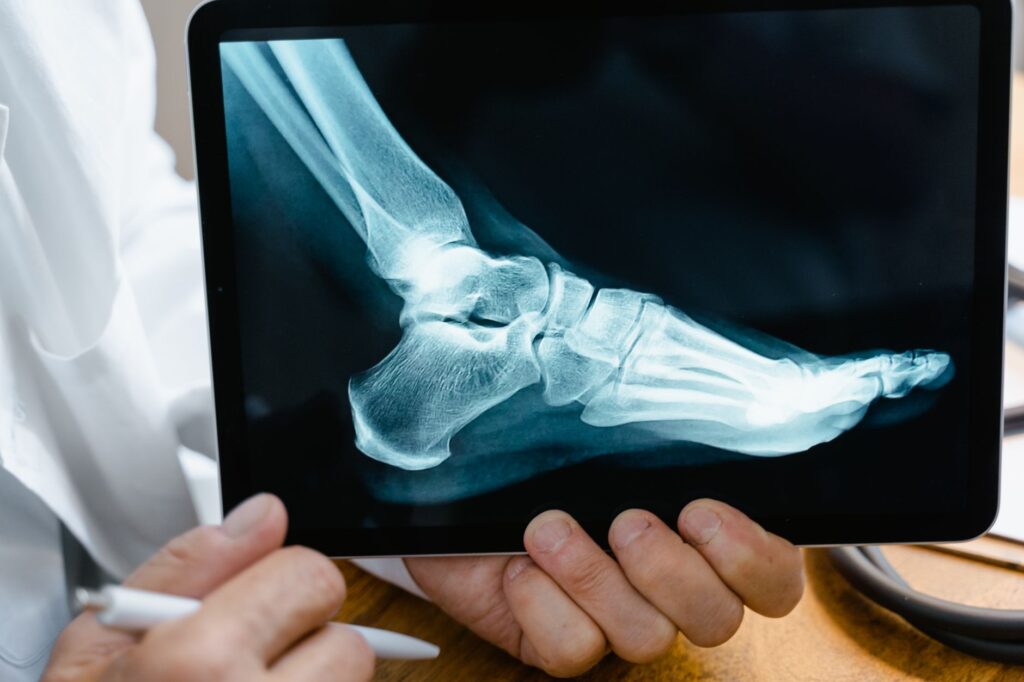
Medical records act as the cornerstone for establishing medical proof for claims. They include detailed information such as diagnoses, treatment plans, and medical histories, all of which are vital for substantiating your injury claim. For example, if you suffered a broken leg in a car accident, your medical records would detail the initial examination, imaging results, and the treatment provided. This documentation confirms not only the injury but also the necessary medical care you required, making it an invaluable asset in your claim process.
Linking Injuries to Incidents Through Medical Records Injury Claims
In addition to proving the existence of an injury, medical records are instrumental in linking those injuries directly to the incident in question. Without proper documentation, it becomes challenging to demonstrate that the injuries were a direct result of the accident. For instance, if you sustained whiplash in a rear-end collision, your medical records must clearly show that the symptoms began immediately following the incident. This link is crucial for the evaluation of your claim and can significantly impact the compensation awarded.
the importance of medical records in injury claim documentation cannot be overlooked. They provide the necessary evidence to establish medical proof for claims and effectively link injuries to specific incidents. Ensuring these records are accurate and comprehensive can enhance your chances of a successful outcome in your injury claim.
How to Obtain and Organize Medical Records for Claims
Requesting Medical Records for Injury Claims
Obtaining medical records is a critical step in supporting medical records injury claims. Follow these actionable steps to ensure you acquire the necessary documentation:
- Identify the Healthcare Providers: List all doctors, hospitals, and clinics that have treated your injury.
- Contact the Providers: Reach out to the medical offices directly. Most have specific procedures for requesting records.
- Complete Authorization Forms: You may need to fill out a release form granting permission for the release of your records. Ensure you provide all necessary personal details.
- Specify the Records Needed: Clearly state which records you require, such as treatment notes, imaging results, or surgical reports.
- Be Aware of Fees: Some providers may charge a fee for copying records. Confirm any costs upfront to avoid surprises.
- Follow Up: If you do not receive the records within a reasonable time, follow up with the provider to check on the status.
Organizing Medical Documentation Effectively for Injury Claim Documentation
Once you have obtained your medical records, organizing them properly is essential for your injury claim documentation:
- Create a Filing System: Use folders or binders to categorize your records by date or type of treatment. This helps streamline the review process.
- Keep Records Chronologically: Arrange your documents in chronological order to provide a clear timeline of your medical treatment and the progression of your injury.
- Highlight Key Information: Use sticky notes or highlighters to mark important sections, such as diagnosis, treatment plans, and follow-up appointments, which serve as medical proof for claims.
- Make Copies: Always keep a copy of your organized records for your own reference and to provide to your legal counsel.
By effectively obtaining and organizing your medical records, you reinforce the importance of medical records in substantiating your injury claims. This preparation can significantly enhance your chances of a successful outcome in your claim process.

Challenges in Using Medical Records for Injury Claims
Common Issues with Medical Documentation
When pursuing Medical Records Injury Claims, there are several challenges that can arise from medical documentation. Common issues include missing records, inaccuracies, and incomplete information, all of which can weaken the strength of an injury claim. For instance, if a patient’s medical history is not fully documented, it may be difficult to establish a clear link between the injury and the medical treatment received. According to the National Institutes of Health, incomplete records can lead to misinterpretations, potentially compromising the validity of medical proof for claims.
Addressing Inaccuracies in Records
Addressing inaccuracies in medical records is crucial for ensuring the integrity of injury claim documentation. If discrepancies are identified, the following steps can help strengthen your claim:
- Request Corrections: Contact the healthcare provider to formally request corrections to any inaccuracies.
- Gather Supporting Evidence: Collect additional documentation, such as witness statements or photographs, to reinforce your case.
- Consult Legal Experts: Engaging with an attorney experienced in personal injury claims can provide guidance on how to navigate issues related to medical records.
By proactively addressing these challenges, you can enhance the likelihood of a successful claim. Ultimately, understanding the importance of medical records in injury claims not only aids in your case but also ensures that you receive the compensation you deserve.

Best Practices for Utilizing Medical Records in Injury Claims
Creating Comprehensive Medical Documentation
When pursuing Medical Records Injury Claims, the creation of comprehensive medical documentation is critical. Start by ensuring that all medical visits, treatments, and diagnoses are well-documented. This includes not only official records from healthcare providers but also notes from personal logs regarding symptoms and recovery progress. Maintaining a clear timeline of all medical interactions will enhance the credibility of your injury claim documentation.
In addition, ensure that any medical records obtained are complete and accurate. Request copies of all relevant tests, imaging, and specialist reports. This thoroughness is essential as the importance of medical records cannot be overstated; they serve as the foundation for establishing medical proof for claims. When you have a well-organized collection, it aids both your understanding of the injury and strengthens your case.

Consulting with Legal Professionals
Engaging with legal professionals experienced in handling Medical Records Injury Claims can significantly improve your chances of a successful outcome. Attorneys can provide guidance on how to structure your case, ensuring that the medical documentation aligns with legal requirements. They can also help in interpreting medical records, identifying which pieces of evidence are most relevant to your claim.
Furthermore, legal experts can assist in obtaining missing documentation and ensure that all necessary information is included in the claim. For example, they can advise on the best practices for presenting evidence in court or during settlement negotiations, emphasizing the importance of medical records in supporting your claim.
Overall, combining thorough medical documentation with professional legal advice creates a robust strategy for navigating injury claims effectively.
Conclusion: The Essential Role of Medical Records in Injury Claims
Medical records play a vital role in the success of Medical Records Injury Claims. Throughout this article, we have highlighted how thorough and organized injury claim documentation can significantly impact the outcome of a claim. Accurate medical records serve as essential medical proof for claims, providing detailed evidence of injuries sustained and treatments received. This documentation not only establishes the facts of the injury but also helps demonstrate the connection between the incident and the medical care provided.
The importance of medical records cannot be overstated; they are crucial for validating the severity and extent of injuries, which ultimately influences the compensation amount. Insurance companies and legal entities rely heavily on this documentation to assess claims, making it imperative for claimants to prioritize maintaining their medical records meticulously. By ensuring that all relevant medical information is documented and easily accessible, individuals can bolster their positions during negotiations or legal proceedings.
effective management of medical records is essential for anyone involved in injury claims. Claimants should strive to keep their documentation organized and comprehensive, as it can significantly enhance the likelihood of receiving a fair settlement. For those navigating the complexities of injury claims, understanding the critical role of medical records is a fundamental step toward achieving a successful outcome.

The significance of medical records in injury claims cannot be overstated. They serve as essential injury claim documentation that provides the necessary medical proof for claims, establishing a clear link between the injuries sustained and the treatment received. Without comprehensive and accurate medical records, the process of seeking compensation can become complicated, potentially jeopardizing the outcome of the claim.
Taking the time to gather and organize your medical records is a vital step in strengthening your case. This documentation not only supports your claims but also underscores the importance of medical records in demonstrating the extent of your injuries. For those navigating the complexities of medical records injury claims, consulting with a legal professional can provide valuable guidance. Ensure that your medical records are complete and readily available to facilitate a smoother claims process.
“`html
Why are medical records important for injury claims?
Medical records are crucial for injury claims as they serve as the primary evidence to substantiate your injuries and treatment. They provide a detailed account of the medical care received, which helps establish a direct link between the injury and the claim. The importance of medical records cannot be overstated, as they assist in demonstrating the extent of your injuries, the treatment process, and any ongoing medical needs, all of which can significantly influence the compensation you may receive.
How do I obtain my medical records for a claim?
To obtain your medical records for an injury claim, you typically need to fill out a request form provided by your healthcare provider or facility. Most providers require you to verify your identity, so be prepared to provide personal information. You may also need to specify the records you wish to access. Some providers offer online access to medical records, making the process more straightforward. It is important to request this information promptly to facilitate your injury claim documentation.
What types of medical records are needed for injury claims?
For injury claims, several types of medical records are essential. These include hospital admission records, treatment summaries, diagnostic test results, and physician notes. Additionally, any documentation related to follow-up visits and prescriptions should also be included. Collecting comprehensive medical proof for claims strengthens your position and helps illustrate the severity of your injuries, the treatment received, and any ongoing care required.
How can I organize medical documentation for my injury claim?
Organizing your medical documentation for an injury claim involves several steps. Start by collecting all relevant documents, including medical records, bills, and correspondence with healthcare providers. Use folders or digital storage to categorize these documents by date or type of treatment. Additionally, maintain a timeline of events related to your injury and treatment. This organization will make it easier to present your case effectively and ensure that no important documents are overlooked during the claims process.
What should I do if my medical records are incomplete?
If your medical records are incomplete, the first step is to contact your healthcare provider to request the missing information. Ensure you specify what is lacking and why it is crucial for your injury claim. If there are persistent issues, consider seeking assistance from a legal professional who specializes in personal injury cases. They can help you navigate the process of obtaining complete medical records, which are vital for substantiating your claim.
Can inaccuracies in medical records affect my injury claim?
Yes, inaccuracies in medical records can significantly affect your injury claim. If the records contain errors or omissions, they may undermine your case by casting doubt on the extent of your injuries or the treatment you received. It’s essential to review your medical records thoroughly and address any discrepancies with your healthcare provider as soon as possible. Accurate medical records are vital for establishing the validity of your claim and ensuring you receive fair compensation.
“`