
Understanding the intricacies of injury claim documentation is crucial for anyone navigating the often complex landscape of personal injury claims. Proper documentation can significantly influence the outcome of your case, ensuring you receive the compensation you deserve. This article provides a comprehensive overview of essential elements involved in injury claim documentation, including an injury evidence checklist to help you gather the necessary claim support documents. You will learn how to effectively organize your personal injury paperwork, identify common pitfalls that can hinder your claim, and discover the final steps to prepare your claim for submission. By following these guidelines, you can enhance your chances of a successful resolution. For further reading, the [National Highway Traffic Safety Administration](https://www.nhtsa.gov/) offers valuable insights on safe driving and accident prevention, while the [American Bar Association](https://www.americanbar.org/) provides resources on personal injury law. Equip yourself with the right tools and knowledge to navigate your injury claim effectively.
Understanding Injury Claim Documentation
What is Injury Claim Documentation?
Injury claim documentation refers to the comprehensive collection of records and evidence that support an individual’s claim for compensation following an injury. This documentation is crucial for establishing the validity of the claim and includes various types of personal injury paperwork, such as medical records, police reports, and witness statements. Depending on the nature of the incident, different types of claims may require specific documentation, and the thoroughness of the documentation can significantly influence the outcome of the claim.
Why is Documentation Important?
The importance of injury claim documentation cannot be overstated. Properly assembled documents serve as claim support documents that substantiate the facts of the case. Insurers and courts rely heavily on these materials to evaluate the legitimacy and extent of the injuries, as well as the associated costs. For instance, an injury evidence checklist can help ensure that all necessary documents are gathered, reducing the likelihood of delays or denials in the claims process.
Moreover, incomplete or poorly organized documentation may lead to reduced compensation or even outright rejection of a claim. It is essential to understand that the burden of proof lies with the claimant; thus, having a well-prepared set of injury claim documentation can make a significant difference in the success of a claim. To navigate the complexities of the claims process, individuals should prioritize gathering and organizing all relevant documentation from the outset, ensuring they are fully equipped to support their case.

Key Components of Injury Claim Documentation
Essential Claim Support Documents
Filing a personal injury claim requires meticulous documentation to support your case. The following claim support documents are crucial in establishing the legitimacy of your injury and the circumstances surrounding it:
- Medical Records: These are essential for demonstrating the extent of your injuries and the treatment you received. Ensure you obtain copies of all relevant medical records, including hospital bills and treatment plans.
- Accident Reports: If law enforcement was involved, they would typically file an accident report. This document provides a detailed account of the incident and can significantly enhance your claim.
- Witness Statements: Collect statements from individuals who witnessed the accident. Their accounts can provide additional support for your version of events.
- Proof of Income: If your injuries have caused you to miss work, gather documentation such as pay stubs or tax returns to demonstrate lost wages.
- Photos and Videos: Visual evidence can be powerful in a claim. Capture images of the accident scene, your injuries, and any property damage.
Creating an Injury Evidence Checklist
To ensure you have all necessary personal injury paperwork, create an injury evidence checklist. This will help you organize your documentation and avoid overlooking critical items:
- Medical records and bills
- Accident report
- Witness contact information and statements
- Photos of the scene and injuries
- Proof of income and lost wages
- Insurance correspondence
By following this checklist and gathering the right injury claim documentation, you can build a strong case that will support your claim and improve your chances of receiving fair compensation. For more detailed guidance on documentation and filing, consider consulting a legal professional who specializes in personal injury cases. The Role of Medical Records in Your Injury Claim

Organizing Your Personal Injury Paperwork
How to Structure Your Documentation for Injury Claim Documentation
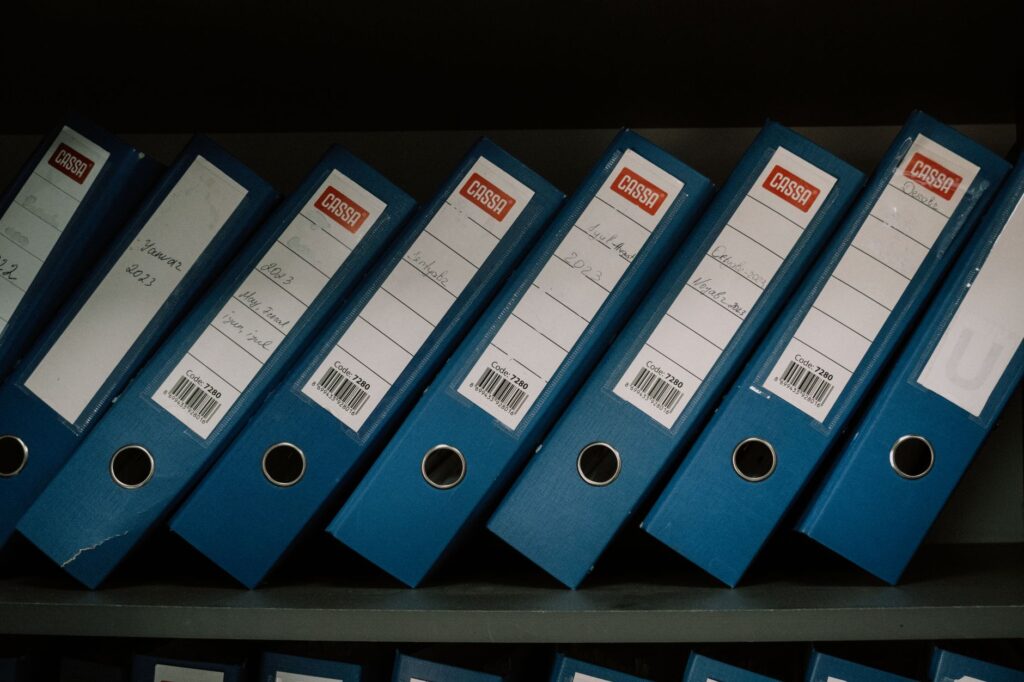
Efficient organization of your personal injury paperwork is critical in building a compelling case. Start by creating a filing system that categorizes all relevant documents. Consider using digital tools or physical folders, whichever works best for you. Here’s how to structure your documentation:
- Incident Report: Include police reports, witness statements, and photographs from the scene of the accident.
- Medical Records: Gather all medical documentation related to your injuries, including hospital bills, treatment plans, and rehabilitation records.
- Claim Support Documents: Collect insurance correspondence, claim forms, and any communication with your insurance company.
- Financial Impact: Document lost wages, expenses related to your injury, and any other economic impacts, ensuring you have receipts and pay stubs.
By following this injury evidence checklist, you can ensure that no crucial details are overlooked, which is essential for a stronger claim.
Tips for Presenting Your Claim Effectively
Once your personal injury paperwork is organized, focus on how to present it effectively. Here are some actionable tips:
- Be Clear and Concise: When submitting your documentation, ensure that each piece is clearly labeled and easy to understand. Use bullet points for key facts.
- Chronological Order: Present your documents in chronological order to illustrate the timeline of events leading up to your injury.
- Highlight Key Information: Use markers or tabs to draw attention to critical documents, such as medical diagnoses or significant expenses.
Clarity and completeness in your documentation not only enhance your credibility but also make it easier for claims adjusters to evaluate your situation. Properly organized injury claim documentation can significantly impact the outcome of your claim.
Common Mistakes in Injury Claim Documentation
Avoiding Incomplete Claims in Injury Claim Documentation
One of the most common pitfalls in injury claim documentation is submitting incomplete claims. Insufficient information can delay the processing of your claim or even lead to its denial. Common omissions include failing to provide necessary claim support documents, such as medical records, police reports, or witness statements. It is crucial to create an injury evidence checklist to ensure that all relevant information is gathered and submitted. This checklist should include:
- Medical bills and treatment records
- Proof of lost wages
- Photos of the accident scene and injuries
- Witness contact information
Review your documentation thoroughly before submission to avoid missing any critical details. Consulting with a legal professional can also provide valuable insights into what constitutes complete personal injury paperwork.
The Importance of Timely Submission
Delays in submitting injury claim documentation can have severe consequences. Insurance companies often have strict timelines for claims, and missing these deadlines can jeopardize your chances of receiving compensation. It is essential to prioritize the timely gathering and submission of all documents. Establish a timeline for collecting necessary information, and set reminders for deadlines. If you’re unsure about the time limits applicable to your claim, refer to your insurance policy or consult with an attorney. They can guide you through the process and help ensure you meet all required deadlines.
By avoiding these common mistakes in injury claim documentation, you can streamline the claims process and enhance your chances of a favorable outcome. Stay organized, act swiftly, and always double-check your submissions for completeness.

Final Steps for Preparing Your Claim
Reviewing Your Documentation
Once you have gathered all relevant injury claim documentation, the next crucial step is to review everything thoroughly. This includes checking your personal injury paperwork, medical records, accident reports, and any correspondence related to your case. Ensure that all documents are complete, accurate, and organized. A well-structured injury evidence checklist can be especially helpful in this phase, allowing you to verify that no essential details are overlooked.
Be meticulous in your review; even minor discrepancies can jeopardize your claim. Pay particular attention to deadlines associated with your documentation, as missing a filing deadline can result in losing your right to compensation. If you spot any inconsistencies or have questions about specific documents, now is the time to address them.
Consulting with a Legal Professional
While reviewing your injury claim documentation is vital, seeking professional legal assistance can significantly strengthen your case. A qualified attorney specializing in personal injury claims can provide insights that you may not have considered. They can help you understand the nuances of the law and ensure that all necessary claim support documents are properly prepared and submitted.
The benefits of legal support are manifold. Attorneys are skilled in negotiating with insurance companies, which can often be a daunting task for individuals unfamiliar with the process. They can also help you evaluate the full extent of your damages, ensuring that you pursue the compensation you rightfully deserve. With their experience, you can focus on your recovery while they handle the complex aspects of your case.

Make the most of your claim by ensuring that your documentation is comprehensive and consulting with a legal professional to navigate the process effectively. This proactive approach not only enhances your chances of a successful outcome but also provides peace of mind during a challenging time.
Gathering the right injury claim documentation is crucial for building a strong case. This includes not only the necessary personal injury paperwork but also an injury evidence checklist to ensure nothing is overlooked. Effective claim support documents can significantly impact the outcome of your claim, making it essential to be thorough and organized throughout the process.
As you prepare your documentation, consider consulting legal experts who can provide guidance tailored to your situation. Taking the time to compile comprehensive injury claim documentation will strengthen your position and increase your chances of a favorable resolution. Begin by reviewing your checklist and organizing your personal injury paperwork today, setting the stage for a successful claim.
“`html
What documents do I need for an injury claim?
To support your injury claim, you will need several essential documents. These include medical records detailing your injuries, police reports if applicable, photographs of the incident scene, and any witness statements. Additionally, gather any relevant insurance information and receipts for medical expenses or lost wages. Collecting these claim support documents will strengthen your case and help establish the extent of your damages.
How do I organize my injury claim paperwork?
Organizing your injury claim paperwork is crucial for an effective claim process. Start by creating a dedicated folder, either physical or digital, to store all documents. Use clear labels for different categories such as medical records, police reports, and correspondence with insurance companies. Maintain a timeline of events related to your injury. This method will simplify your retrieval of information and ensure you have all necessary documentation ready when needed.
What is an injury evidence checklist?
An injury evidence checklist is a comprehensive tool that outlines the documents and items you need to support your injury claim. It typically includes medical records, bills, photos of the injury, and proof of lost wages. Using this checklist can help ensure that you do not overlook any crucial evidence that could impact your claim. A well-prepared injury evidence checklist is invaluable for building a strong case.
Why is injury claim documentation important?
Injury claim documentation is vital because it substantiates your claims and helps demonstrate the extent of your injuries and associated damages. Proper documentation provides a clear picture of the incident, proving liability and the impact on your life. Without thorough and accurate records, it can be challenging to negotiate with insurance companies or pursue legal action. Strong documentation is essential for a successful outcome in your injury claim.
What are common mistakes in injury claim documentation?
Common mistakes in injury claim documentation include failing to gather all necessary documents, not keeping organized records, and neglecting to document ongoing medical treatment. Additionally, some individuals may underestimate their damages or overlook important evidence, such as witness statements. These errors can weaken your claim, so it is essential to be thorough and meticulous when compiling your personal injury paperwork.
How can I prepare my claim effectively?
To prepare your injury claim effectively, start by collecting all relevant documentation, including medical records, bills, and evidence of lost wages. Organize this information logically, and utilize an injury evidence checklist to ensure nothing is missed. Consider consulting with a legal professional to understand the nuances of the claims process and to help evaluate your documentation. This proactive approach will enhance your chances of a successful claim outcome.
“`