To effectively gather evidence for your injury claim, understanding the nuances of evidence collection is crucial. A robust collection of personal injury proof can significantly bolster your case and help establish liability. This article will guide you through essential evidence collection tips, including how to document injuries accurately and comprehensively. You will learn about the types of evidence that can support your claim, the common mistakes to avoid when gathering evidence, and the pivotal role an attorney can play in strengthening your case. By following these guidelines, you can enhance your chances of a successful outcome in your personal injury claim. For more information on the legal aspects of personal injury, visit Nolo or consult resources from the American Bar Association.
Understanding the Importance of Evidence
Gathering evidence is a fundamental step in any personal injury claim. The strength of your case often hinges on the quality and quantity of the evidence you collect. Clear, compelling evidence can significantly impact the outcome of your claim, making it more likely that you will receive fair compensation for your injuries. Without solid evidence, you may find it difficult to prove liability and establish the extent of your damages.
Moreover, insurance companies and opposing parties are more likely to take your claim seriously when you present well-documented proof of your injuries and their cause. This is why it is essential to gather evidence for your injury claim as soon as possible after the incident.
Key Types of Evidence to Collect for Your Injury Claim
When it comes to gathering evidence for your injury claim, there are several types of documentation that can serve as personal injury proof. Consider the following:
- Photographs: Take pictures of the accident scene, including any visible injuries, property damage, and relevant environmental factors.
- Witness Statements: Collect contact information and statements from witnesses who can provide unbiased accounts of the incident.
- Medical Records: Documenting injuries through medical reports, bills, and treatment plans is crucial. These records can substantiate your claims regarding the severity and impact of your injuries.
- Police Reports: Obtain copies of any police reports filed, as they often contain important details regarding the incident, including the officer’s observations and conclusions.
Utilizing these evidence collection tips can help you build a robust case that stands up to scrutiny. The more thorough your documentation, the more persuasive your claim will be, increasing the likelihood of a favorable outcome.
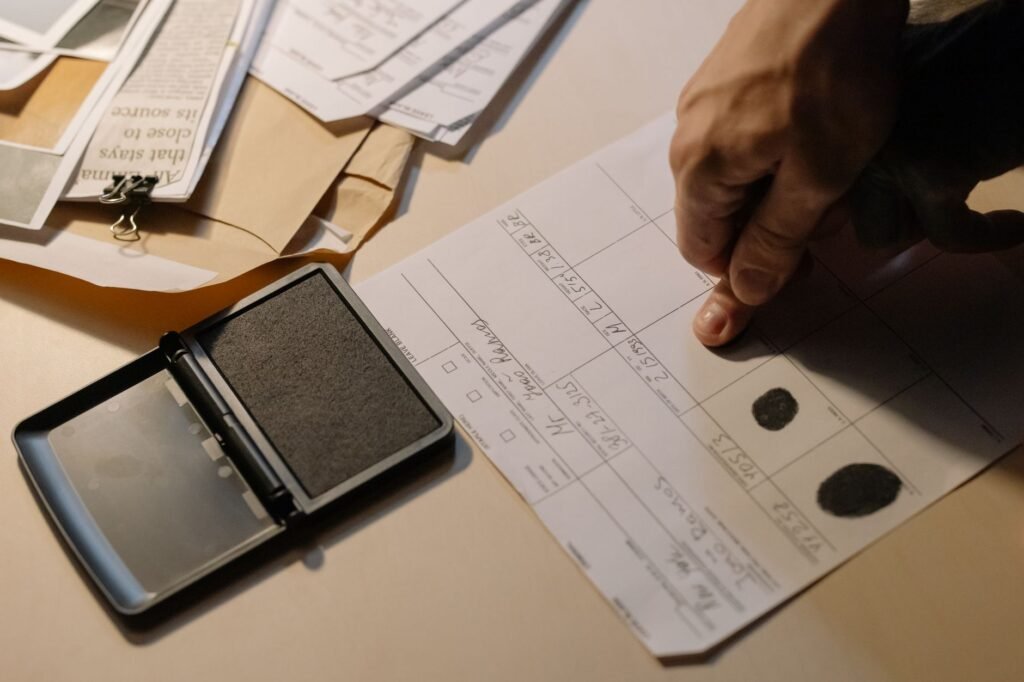
As you begin documenting your injuries and gathering evidence, remember that every detail counts. Each piece of evidence can contribute to a clearer picture of what occurred and why you deserve compensation. By taking the time to gather evidence for your injury claim effectively, you are setting yourself up for a stronger negotiation position or potential court case.
Effective Evidence Collection Tips for Personal Injury Claims
Documenting Your Injuries: What to Include
Thorough documentation of your injuries is crucial when you aim to gather evidence for your injury claim. Start with photographs of your injuries from multiple angles. Ensure that these images capture the severity and location of the injuries, as they serve as powerful visual personal injury proof. Additionally, keep a detailed journal documenting your recovery process. Note the symptoms experienced, the impact on daily activities, and any emotional distress.
Medical documentation is another essential component. Obtain copies of all medical records, including diagnosis reports, treatment plans, and any prescribed medications. These documents provide professional validation of your injuries and treatment, which can significantly strengthen your case. If you underwent any physical therapy or rehabilitation, include records from those sessions as well.
Finally, consider obtaining statements from witnesses who can corroborate your account of the incident and its effects on your life. This multifaceted approach ensures you have a comprehensive collection of evidence to support your claim.
Organizing Your Evidence for Maximum Impact
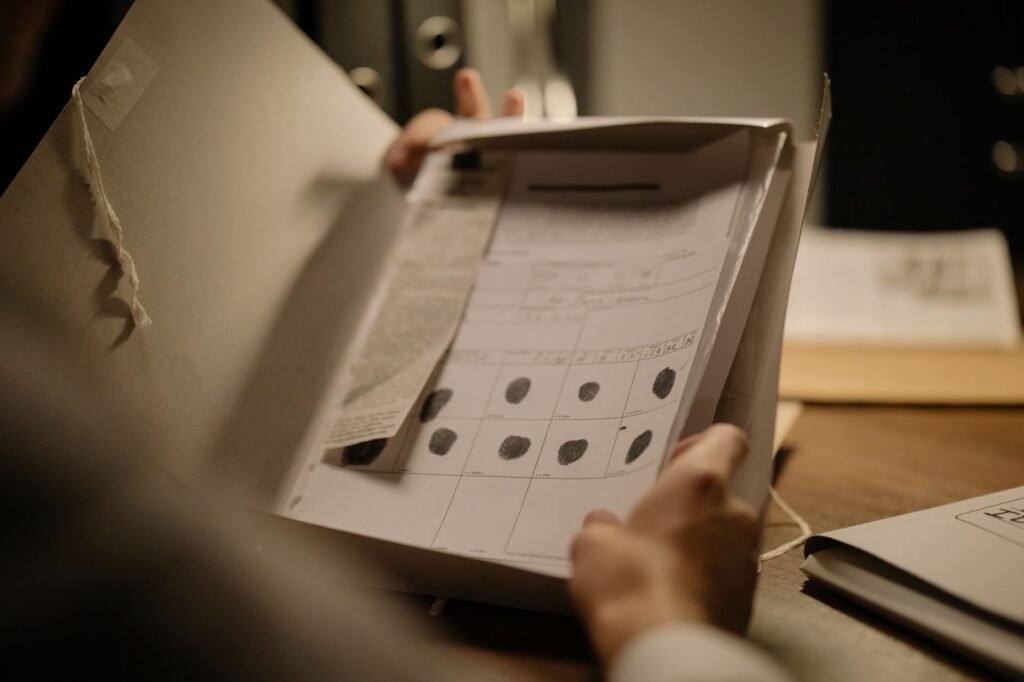
Once you have gathered sufficient evidence, the next step is to organize it effectively. A well-organized collection of documents and proof enhances clarity and credibility. Create a dedicated folder, either physical or digital, where you can compile all your evidence, including photographs, medical records, and witness statements. Label each document clearly and categorize them by type, such as injury documentation, medical records, and witness accounts.
Utilizing a timeline can also be beneficial. Outline the sequence of events leading up to and following your injury, incorporating relevant documentation at each stage. This will provide a clear narrative that supports your claim. If you are working with an attorney, share this organized evidence as it can facilitate a stronger representation. Professional documentation and record-keeping are invaluable in making your case compelling and persuasive, allowing you to effectively gather evidence for your injury claim.
Using Personal Injury Proof to Strengthen Your Case
When you need to gather evidence for your injury claim, effective personal injury proof can significantly enhance the credibility of your case. Two vital components of this process are gathering witness statements and expert opinions, as well as leveraging digital evidence. Each of these elements plays a critical role in substantiating your claims and supporting your narrative.
Gathering Witness Statements and Expert Opinions
Witness statements are invaluable forms of personal injury proof. Eyewitnesses can provide firsthand accounts of the incident, which help to establish the facts and circumstances surrounding your injury. Their testimonies may corroborate your version of events, strengthening your claim.
Moreover, expert opinions can further bolster your case. Medical professionals can document injuries and provide assessments that illustrate the impact on your life. Accident reconstruction experts can analyze the circumstances of the incident, offering insights that clarify liability. Their evaluations serve as essential evidence collection tips that lend authority to your claims, making it more difficult for opposing parties to dispute the facts.
Leveraging Digital Evidence for Your Claim
In today’s digital age, gathering digital evidence is crucial when you gather evidence injury claim. Surveillance footage can capture the incident as it occurred, providing irrefutable proof of negligence. Additionally, social media posts may offer insights into your activities before and after the injury, although they can also be used against you if not managed carefully. It is crucial to document your injuries accurately, including photographs that showcase the extent of your damages. These images serve as powerful visual evidence that can make your case more persuasive.
By combining witness statements, expert opinions, and digital evidence, you can create a robust foundation for your personal injury claim. Ensure that you collect these forms of evidence meticulously, as they can significantly affect the outcome of your case. For further guidance, consider consulting with a legal professional who can help you navigate this complex process. Gathering Evidence for Your Injury Claim
Common Mistakes to Avoid When Gathering Evidence for Your Claim
When you need to gather evidence for your injury claim, it’s crucial to avoid common pitfalls that could undermine your case. Proper evidence collection can significantly affect the outcome of your claim, so being aware of these mistakes is essential.
Overlooking Important Details
One of the most prevalent mistakes individuals make is neglecting to document all injuries and relevant details related to the incident. Often, victims may focus on visible injuries, such as cuts or bruises, while overlooking less obvious injuries like concussions or emotional trauma. To avoid this mistake, ensure you meticulously document all injuries, even those that may seem trivial at first. This can include:
- Taking photographs of injuries at various stages of healing.
- Keeping a journal to detail your physical and emotional experience post-accident.
- Collecting medical records and bills that serve as personal injury proof.
Implementing these evidence collection tips will create a comprehensive view of your injuries, making it easier to support your claim.
Failing to Gather Evidence in Time
Another critical mistake is waiting too long to gather evidence. Over time, crucial information may fade or be lost entirely. Witnesses may forget details, and physical evidence can deteriorate. It’s essential to act quickly after an incident to ensure that you capture all necessary elements. Begin gathering evidence immediately, including:
- Collecting witness statements while their memories are fresh.
- Documenting the accident scene, including photographs of surroundings and any contributing factors.
- Notifying authorities to create an official record of the incident.
By prioritizing timely evidence collection, you can strengthen your case and avoid complications that arise from lost or overlooked information. As you gather evidence for your injury claim, remember that thorough and prompt documentation is key to a successful outcome.

The Role of an Attorney in Gathering Evidence for Your Claim
When to Seek Legal Assistance
When pursuing a personal injury claim, understanding when to seek legal assistance can significantly impact the outcome of your case. If your injuries are severe, the liability is unclear, or the insurance company is pushing back, it may be time to consult with an attorney. Legal professionals are adept at navigating complex situations, ensuring you gather evidence for your injury claim effectively. Moreover, they can provide critical evidence collection tips that can strengthen your case.
How Attorneys Can Help Build Your Case
Attorneys play a vital role in gathering evidence for your personal injury claim. Their expertise in local laws allows them to identify relevant regulations and precedents that may affect your case. They can also access expert witnesses, such as medical professionals or accident reconstruction specialists, who can provide essential personal injury proof and lend credibility to your claims.
In addition, attorneys are experienced in organizing evidence efficiently. They know how to document injuries comprehensively, ensuring that all medical records, photographs, and witness statements are properly compiled. This meticulous organization can be crucial when negotiating with insurance companies or presenting your case in court. By leveraging their knowledge and skills, attorneys can help you gather evidence for your injury claim more effectively than you might on your own.
Ultimately, having legal representation can alleviate the stress of evidence gathering. It allows you to focus on recovery while ensuring that your case is built on a solid foundation of documented facts and expert opinions.

Gathering evidence for your injury claim is crucial to building a strong case. By following effective evidence collection tips, you can ensure you have the necessary personal injury proof to support your claim. Remember to document injuries thoroughly, capturing photographs, medical records, and witness statements to create a comprehensive overview of your situation.
As you proceed, prioritize meticulous documentation and maintain organized records of all collected evidence. This diligence not only strengthens your position but also aids in communicating your case effectively to legal professionals. Begin your evidence collection journey today by reviewing your incident details and gathering relevant documentation. Taking these steps will better prepare you for potential negotiations or court proceedings.
“`html
What types of evidence do I need for a personal injury claim?
To effectively gather evidence for your personal injury claim, you should collect medical records, photographs of the accident scene, witness statements, police reports, and any applicable insurance documents. Additionally, keep a detailed account of your injuries and how they impact your daily life. All of this evidence collectively helps establish liability and the extent of damages suffered, supporting your claim.
How can I document my injuries effectively?
Effectively documenting your injuries involves taking clear photographs of the injuries from multiple angles and maintaining a journal detailing your symptoms and recovery process. Ensure you keep all medical records, including treatment notes and bills. This comprehensive documentation serves as personal injury proof that can significantly bolster your case when you gather evidence for your injury claim.
What are some evidence collection tips for personal injury cases?
When collecting evidence for a personal injury case, act quickly to preserve the scene of the incident, if possible. Take photographs of everything relevant, including the environment, injuries, and vehicles involved. Gather contact information from witnesses and ask them for written statements. Additionally, keep all receipts related to your treatment and expenses incurred due to the injury. These evidence collection tips can be crucial in strengthening your claim.
How important is witness testimony in a personal injury claim?
Witness testimony can be vital in a personal injury claim as it provides independent accounts of the accident and its circumstances. Eyewitnesses can corroborate your version of events, lending credibility to your case. Their statements can help establish liability and support your claims about the severity of injuries. Gathering witness information and statements should be a priority when you gather evidence for your injury claim.
Should I hire a lawyer to help gather evidence for my claim?
Hiring a lawyer can be highly beneficial when gathering evidence for your claim. An experienced attorney understands the legal requirements and can guide you on what evidence is most relevant. They can also handle communications with insurance companies and other involved parties, ensuring that nothing is overlooked. If you are unsure about the process, consulting a lawyer can help streamline your efforts and strengthen your case.
What mistakes should I avoid when gathering evidence?
Avoid common mistakes such as failing to document injuries and the accident scene promptly or neglecting to gather witness information. Do not underestimate the importance of keeping all related documentation organized and accurate. Additionally, avoid discussing the details of the case with anyone outside of your legal team, as this may compromise your claim. Staying diligent in your evidence gathering will significantly aid your personal injury claim.
“`