
Documenting injuries for a claim is a crucial step that can significantly influence the outcome of your compensation process. Proper documentation not only substantiates your claims but also ensures that all relevant evidence is available for review. This article will guide you through the essential aspects of how to document injuries effectively, offering invaluable injury documentation tips along the way. We will cover a step-by-step guide on documenting injuries, highlight the key elements to include in your injury claim file, and point out common mistakes to avoid that could jeopardize your case. Understanding the importance of precise evidence for injury claims can empower you to present a compelling argument, maximizing your potential compensation. Whether you are dealing with a personal injury, workplace incident, or medical malpractice, mastering the art of documentation is vital. For more information, consider visiting resources from the Nolo website or the Justia legal guide.
Understanding the Importance of How to Document Injuries for a Claim
Why Accurate Injury Documentation Matters
Documenting injuries accurately plays a crucial role in the success of any injury claim. When you document injuries for claim, you create a comprehensive record that serves as a foundation for your case. This documentation is essential not only for supporting your claim but also for establishing the extent of your injuries and their impact on your daily life.
Legal standards often require precise evidence to substantiate claims. Inadequate documentation can lead to disputes over the severity of your injuries, possibly resulting in reduced compensation or outright denial of your claim. A study by the National Institutes of Health indicates that thorough documentation significantly influences claim outcomes, emphasizing the necessity of maintaining detailed records.
The Role of Evidence in Injury Claims
Evidence for injury claims underpins the validity of your documentation. This can include medical records, photographs of the injury, witness statements, and any relevant correspondence. By understanding how to document injuries effectively, you can enhance the strength of your claim significantly.
Moreover, having solid evidence not only supports your assertions but can also expedite the claims process. Insurers are more likely to respond favorably to well-documented claims, reducing the time it takes to reach a settlement. Conversely, poor documentation can lead to delays or complications, underscoring the importance of following best practices for injury documentation. For practical injury documentation tips, refer to our comprehensive guide on this topic to ensure you are well-prepared.

Essential Injury Documentation Tips for Your Claim
When you need to document injuries for claim, having comprehensive and accurate records is crucial for a successful outcome. Effective documentation serves as vital evidence for injury claims and can significantly strengthen your case. Here are essential tips on what to include and how to document injuries accurately.
What to Include in Your Documentation
- Medical Records: Keep all medical records related to your injury. This includes doctor visits, diagnoses, treatment plans, and any prescriptions or therapies.
- Photographs: Take clear photographs of your injuries from multiple angles. Include images of the scene where the injury occurred, as well as any visible wounds or bruises.
- Witness Statements: Collect statements from witnesses who can corroborate your version of events. Document their contact information and ensure their accounts reflect the details of the incident.
- Incident Reports: If applicable, file an incident report with relevant authorities or organizations. Keep a copy for your records.
- Personal Journal: Maintain a journal detailing your pain levels, emotional distress, and any limitations you experience due to your injury.
Best Practices for Recording Your Injuries
Understanding how to document injuries accurately is essential. Follow these best practices:
- Be Consistent: Regularly update your documentation to ensure you capture all relevant information over time.
- Be Detailed: Provide thorough descriptions, including dates, times, and specifics of your injuries and treatments.
- Organize Your Files: Keep your documentation organized in chronological order, making it easy to refer back to when needed.
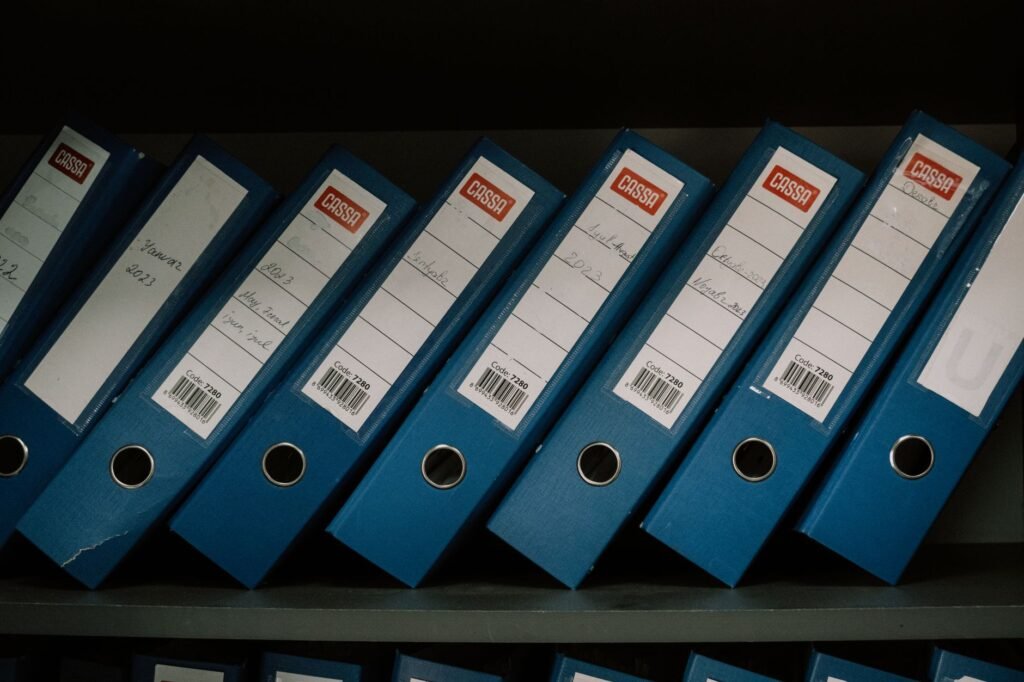
Photo by Zulfugar Karimov on Pexels - Consult Professionals: Work with legal and medical professionals who can guide you on what constitutes valid evidence for injury claims.
By following these injury documentation tips, you can create a robust case that effectively supports your claim. Proper documentation will not only clarify the extent of your injuries but also enhance your ability to receive fair compensation.
How to Document Injuries: Step-by-Step Guide
When you need to document injuries for claim purposes, starting from the moment of injury through recovery is crucial. Proper documentation can significantly influence the outcome of your claim. Below is a detailed guide to help you navigate the process effectively.
Gathering Initial Evidence
Immediately following an injury, the first step is to gather initial evidence. This includes:
- Accident Reports: Obtain a copy of any police or incident reports that detail the circumstances surrounding the injury.
- Photographs: Take clear pictures of the injury and the scene of the accident. Ensure that you capture multiple angles and any relevant details.
- Witness Statements: If possible, collect contact information and statements from any witnesses. They can provide valuable support for your claim.
These elements form the foundation of your evidence for injury claims, so ensure they are comprehensive and well-organized.
Document Injuries for Claim: Documenting Ongoing Treatment and Recovery
As you move forward with treatment, it’s essential to document every aspect of your recovery:
- Keep a Medical Journal: Record dates of appointments, treatments received, medications prescribed, and your symptoms over time.
- Collect Medical Records: Request copies of all medical records and bills from healthcare providers. This documentation is critical for verifying your injury and treatment costs.
- Track Expenses: Maintain a detailed log of all expenses related to your injury, including travel for medical appointments and additional care needs.
By following these injury documentation tips, you ensure that your claim is supported by solid evidence, making it easier to demonstrate the impact of the injury on your life.

Creating a Comprehensive Injury Claim File
Compiling a comprehensive injury claim file is essential to maximizing your chances of a successful claim. When you document injuries for claim purposes, it is vital to ensure that all evidence is organized and presented effectively. A well-structured claim file not only strengthens your case but also facilitates a smoother claims process.
Organizing Your Documentation
To effectively document injuries for claim purposes, start by gathering all relevant documentation. This includes:
- Medical records and bills
- Photographs of injuries
- Witness statements
- Accident reports
- Correspondence with insurance companies
When organizing these documents, consider using a dedicated binder or a digital folder. Label each section clearly, and maintain a chronological order to provide a clear narrative of your injury and its impact on your life. Following injury documentation tips can help you avoid missing crucial pieces of evidence for injury claims.
Presenting Evidence Effectively
Once you have organized your documentation, the next step is presenting it in a clear and concise manner. This can make a significant difference when your claim is reviewed. Here are some actionable steps:
- Summarize key information in a cover letter, stating the purpose of your claim and the evidence included.
- Use labeled tabs or bookmarks for quick reference to important documents.
- Consider including a timeline that outlines events related to the incident.
When you document injuries for claim, clarity is crucial. The easier you make it for the claims adjuster to understand your situation, the better your chances of receiving a fair settlement. For more detailed guidance on how to document injuries, refer to The Role of Medical Documentation in Injury Claims.

Common Mistakes to Avoid When Documenting Injuries for a Claim
Neglecting Key Details
One of the most significant pitfalls when you document injuries for claim purposes is failing to capture essential details. When documenting your injury, it is crucial to include not just the incident’s basic facts, like the date and location, but also the circumstances surrounding the event. For instance, describe what you were doing at the time of the injury, the conditions (weather, lighting, etc.), and any witnesses present. This level of detail strengthens your claim by providing a clear context, which can be invaluable in establishing liability.
Relying Solely on Memory
Another common mistake is depending solely on memory to recount the events of the injury. As time passes, memories can fade or become distorted, leading to inaccuracies that might weaken your case. Instead, make it a practice to document injuries immediately after they occur. Use a notebook or your smartphone to jot down notes, take photographs, and gather any available evidence for injury claims, such as medical records or statements from witnesses. These actions will not only help you remember the details but will also serve as concrete proof to support your claim.
By avoiding these common mistakes and following effective injury documentation tips, you can enhance your chances of a successful claim. Always remember that thorough documentation is key to building a strong case.

Conclusion: Maximizing Your Claim through Effective Documentation
Documenting injuries for a claim is not merely a bureaucratic task; it can significantly influence the outcome of your case. Effective documentation is vital in establishing the extent of your injuries and demonstrating how they have impacted your life. By meticulously following the injury documentation tips outlined in this guide, you can build a strong foundation of evidence for injury claims that will bolster your case.
To maximize your claim, consider implementing the following actionable strategies:
- Keep a detailed record of your injuries, including dates, symptoms, and treatments.
- Take clear photographs of your injuries from multiple angles to provide visual evidence.
- Gather medical reports and bills to substantiate your claims.
- Document conversations with healthcare providers and insurance representatives.
Understanding how to document injuries effectively can mean the difference between a successful claim and a denied one. When you document injuries for a claim, ensure that you compile all relevant evidence and maintain organized records. This diligence not only demonstrates your commitment to your case but also provides the necessary proof that can sway the decision in your favor.
By taking your injury documentation seriously, you enhance your chances of achieving a favorable outcome. Remember, the strength of your claim lies in the details, so prioritize thorough and accurate documentation. For more insights on building a strong claim, refer to our additional resources on The Importance of Accurate Documentation for Injury Claims.

Documenting injuries effectively is crucial for building a strong case for your claim. By following the injury documentation tips outlined in this guide, you can ensure that you have all the necessary evidence for injury claims. Remember, accurate records not only include photographs and medical reports but also detailed descriptions of your pain and limitations. Knowing how to document injuries properly can significantly impact the outcome of your claim.
Take the next step by organizing your documentation immediately after an injury occurs. This proactive approach will help safeguard your rights and provide clarity when communicating with insurance companies or legal representatives. By prioritizing comprehensive injury documentation, you enhance your chances of a successful claim outcome.
“`html
What is the best way to document injuries for a claim?
The best way to document injuries for a claim is to start as soon as possible after the injury occurs. Take clear photographs of the injury from different angles and keep a detailed journal of your symptoms, treatments, and how the injury affects your daily life. Collecting medical records, bills, and any communications with healthcare providers or insurance companies is also crucial. This thorough documentation will support your claim and demonstrate the impact of the injury on your life.
What should I include in my injury documentation?
Your injury documentation should include photos of the injury, medical records, treatment plans, bills, and receipts. Additionally, keep a personal injury diary detailing your pain levels, emotional distress, and how the injury affects your daily activities. Any witness statements or police reports can also strengthen your case. The more comprehensive your documentation, the better your chances of a successful claim.
How can I gather evidence for my injury claim?
To gather evidence for your injury claim, start by collecting all relevant documentation, such as medical records and bills. Take photographs of your injuries and the accident scene, if applicable. Obtain witness statements that corroborate your account of the incident. Additionally, keep a record of your communications with medical professionals and insurance companies. Organized and comprehensive evidence will significantly enhance your claim’s strength.
What are the common mistakes in injury documentation?
Common mistakes in injury documentation include failing to keep detailed records of symptoms and treatments, neglecting to take photographs, and not obtaining witness statements. Additionally, some individuals may underestimate the importance of documenting emotional distress or daily life impacts. Incomplete or disorganized records can weaken your claim, so it is essential to follow thorough injury documentation tips for the best results.
Why is documentation important for injury claims?
Documentation is vital for injury claims because it provides concrete evidence of the injury, treatment received, and its impact on your life. Insurance companies and legal entities rely on this documentation to assess the validity of your claim and determine compensation amounts. Without comprehensive documentation, it can be challenging to prove the extent of your injuries and losses, making it crucial to document injuries for claim effectively.
How long should I keep my injury documentation?
You should keep your injury documentation for at least several years after your claim is resolved. In many cases, retaining records for up to five years is advisable, as it allows for potential future disputes or complications. Documentation may be needed for follow-up claims, legal issues, or long-term health concerns related to the injury. Keeping organized records will ensure you have necessary information readily available if needed later.
“`