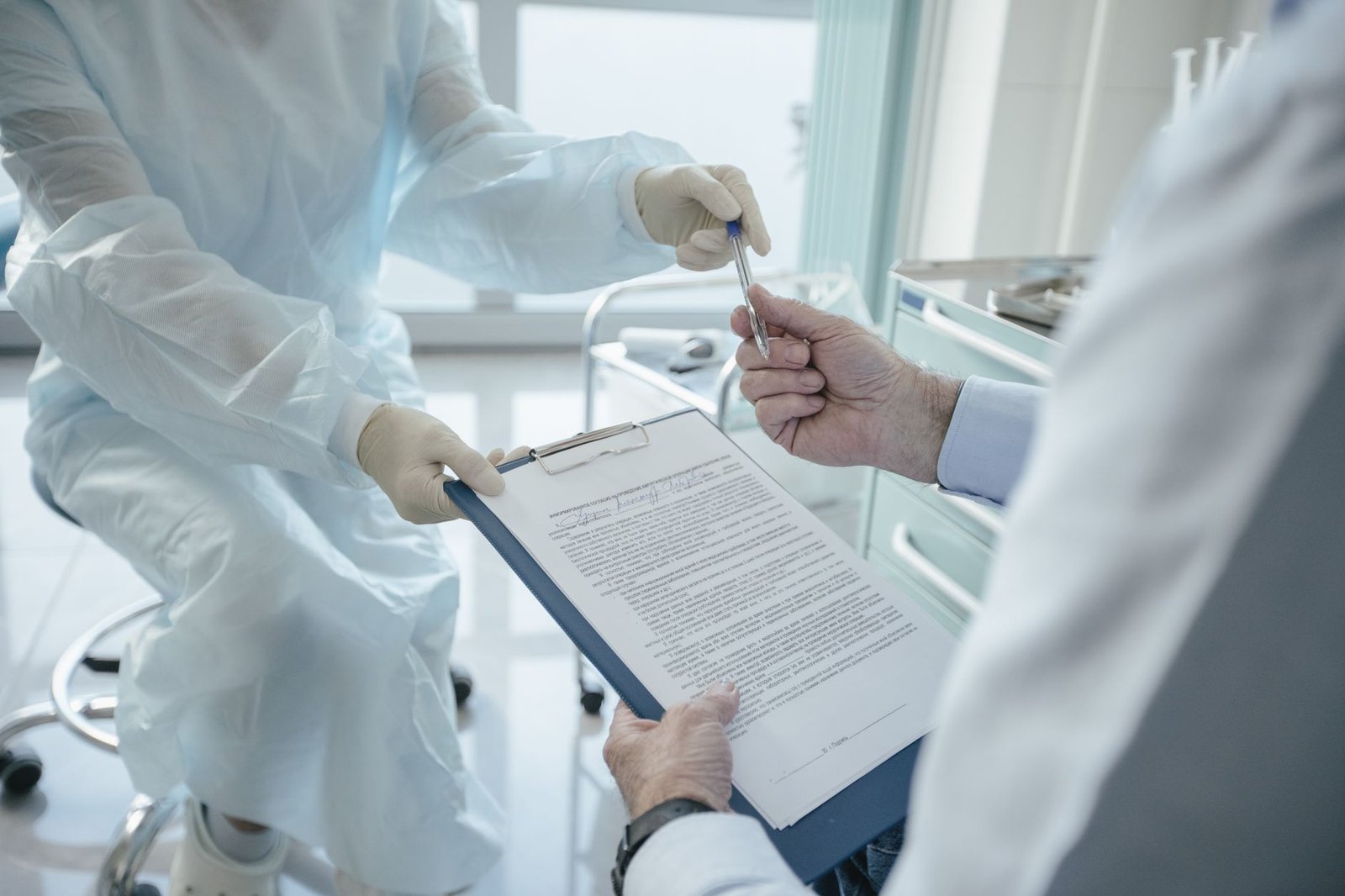
Medical documentation in injury claims plays a pivotal role in determining the outcome of a case. Accurate and comprehensive medical records serve as essential medical evidence that supports the legitimacy of an injury claim. This article explores the multifaceted importance of medical documentation in injury claims, emphasizing its role in claim calculators and the settlement support they offer. We will delve into the various types of medical evidence commonly used in injury claims, provide best practices for effectively gathering this documentation, and address the challenges that often arise in the process. Understanding the nuances of medical documentation is vital for both claimants and legal representatives, as it directly impacts the success of a claim. By the end of this article, you will gain insights into how meticulous medical documentation can enhance your injury claim outcomes and the vital importance of being thorough in your documentation efforts. For further understanding, you may explore additional resources such as Nolo’s guide on medical records and IRS guidelines.
Understanding Medical Documentation in Injury Claims
What is Medical Documentation?
Medical documentation refers to any records generated by healthcare providers that detail a patient’s medical history, diagnosis, treatment, and progress. This includes items such as medical reports, treatment plans, diagnostic test results, and notes from consultations. In the context of medical documentation injury claims, these records serve as vital evidence that supports the injured party’s claim, providing a clear picture of the injuries sustained and the necessary treatment received.
Why is Medical Documentation Important for Injury Claims?
The importance of medical documentation in injury claims cannot be overstated. Accurate and detailed records are essential for establishing the extent of injuries, which directly impacts the amount of compensation a claimant may receive. These documents provide medical evidence that is critical for demonstrating the link between the incident and the injuries sustained. Insurers often rely on this information when evaluating claims, making it a key factor in achieving a favorable outcome.
Moreover, precise medical documentation can facilitate effective settlement support in negotiations, as it substantiates the claimed damages. Insurance companies may utilize tools like a claim calculator to assess potential payouts, making the integrity of medical records even more significant. Therefore, ensuring that all medical documentation is thorough and accurate is essential for anyone navigating the complexities of injury claims.

The Importance of Medical Documentation in Injury Claim Calculators
How Claim Calculators Use Medical Documentation Injury Claims
Injury claim calculators are essential tools that help assess the financial value of an injury claim. One of the primary components these calculators consider is medical documentation. Accurate and comprehensive medical records provide the necessary medical evidence to substantiate claims. They encompass various aspects, such as diagnosis, treatment history, and ongoing care requirements. This data allows claim calculators to more accurately estimate the costs associated with medical expenses, lost wages, and pain and suffering.
When using a claim calculator, the input of precise medical documentation can significantly influence the outcome. The more detailed the records, the better the calculator can evaluate potential settlements. For instance, documentation demonstrating the extent of injuries and necessary treatments forms a critical basis for determining compensation. Furthermore, a clear prognosis can help in estimating long-term care costs, which can be pivotal in final settlements.
Factors Influencing Claim Calculators
Several factors derived from medical documentation influence the results generated by injury claim calculators:
- Medical History: A well-documented medical history provides context for the injury, showing pre-existing conditions and how they may affect recovery.
- Treatment Records: Detailed treatment records indicating the types of care received, frequency of visits, and the effectiveness of treatments are crucial for establishing the severity of the injury.
- Prognosis: An accurate prognosis can help claim calculators forecast future medical needs and associated costs, enhancing settlement support.
Incorporating these factors into claim calculators emphasizes the need for thorough medical documentation in injury claims. Whether you are filing a claim or navigating the complexities of a settlement, understanding the claim calculator importance in relation to medical documentation is essential for achieving fair compensation.

Types of Medical Evidence Used in Injury Claims
Types of Medical Documentation for Injury Claims
When pursuing medical documentation injury claims, understanding the various types of medical evidence is crucial for building a compelling case. The following types of documentation are typically utilized:
- Hospital Records: These include admission and discharge summaries, treatment notes, and imaging results that provide a comprehensive overview of the medical interventions received.
- Diagnostic Reports: Results from tests such as X-rays, MRIs, and CT scans serve to document the extent and nature of injuries.
- Physician Notes: Detailed notes from healthcare providers outline diagnoses, treatment plans, and prognosis, all of which are vital for substantiating claims.
- Rehabilitation Records: Documentation of physical therapy or other rehabilitation efforts provides insight into recovery processes and ongoing needs.
- Prescription Records: Evidence of medications prescribed can demonstrate the severity of pain or other symptoms related to the injury.
Each type of documentation plays a significant role in the evaluation of the claim and can substantially affect settlement support. High-quality, comprehensive medical evidence can strengthen an injury claim by clearly illustrating the impact of the injury on the victim’s life.
Evaluating the Quality of Medical Evidence
The quality of medical documentation is paramount in the claims process. Clear, detailed, and well-organized medical evidence enhances the credibility of the claim. When evaluating documentation, consider the following:
- Is the medical evidence complete and thorough?
- Are the records free from inconsistencies or gaps?
- Do the notes reflect an ongoing treatment plan that aligns with the reported injuries?
Inconsistent or poorly documented medical records can weaken a claim. Therefore, utilizing a claim calculator can help assess the importance of precise medical documentation in determining potential settlements. A well-documented case can lead to better outcomes for victims seeking compensation.

Best Practices for Gathering Medical Documentation
How to Collect and Organize Medical Records for Medical Documentation Injury Claims
Gathering and organizing medical records is crucial for strengthening your medical documentation injury claims. Here are actionable steps you can take:
- Request Copies: Contact all healthcare providers involved in your treatment and request copies of your medical records. Be sure to specify the dates of service and types of treatments received to streamline the process.
- Track Communications: Keep a log of your communications with healthcare providers, including dates, times, and the names of individuals you spoke with. This will help if you need to follow up on your requests.
- Utilize Online Portals: Many medical facilities now offer online access to patient records. Utilize these portals to download your medical documentation directly.
Tips for Ensuring Comprehensive Documentation
Comprehensive documentation is essential for maximizing potential compensation in injury claims. Consider the following tips:
- Include All Relevant Medical Evidence: Gather all forms of medical evidence, such as diagnostic tests, treatment plans, and follow-up care notes. This information is vital for demonstrating the extent of your injuries and their impact on your life.
- Keep a Personal Journal: Document your symptoms, treatments, and how your injuries affect your daily life. This personal account can serve as powerful settlement support when combined with medical records.
- Consult Professionals: If needed, seek assistance from professionals who specialize in injury claims. They can provide insights on the claim calculator importance and help ensure your documentation is complete and effective.
By following these best practices, you can effectively gather and organize your medical documentation injury claims, enhancing your chances of a favorable settlement outcome.
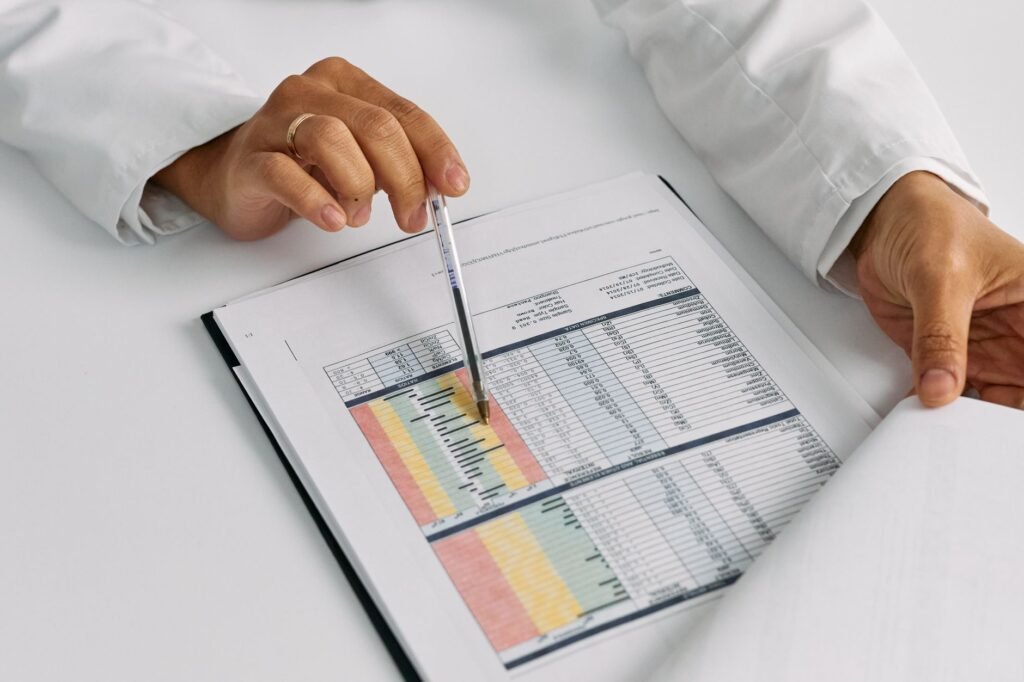
Challenges in Medical Documentation for Injury Claims
Common Issues with Medical Records
Medical documentation plays a crucial role in injury claims, but several challenges can hinder the process. One of the most frequent issues is incomplete records. Medical facilities may not always provide comprehensive documentation, making it difficult to establish a clear link between the injury and the treatment received. Additionally, inconsistent terminology used across different healthcare providers can lead to confusion about the nature of the injury and the necessary care.
Another common challenge is the timing of documentation. Delays in obtaining medical records can stall claims, especially when precise timelines are necessary for establishing liability. Furthermore, patients may not always understand the importance of documenting every detail related to their injury, leading to gaps in important medical evidence that insurers may require for settlement support.

How to Overcome Documentation Challenges in Medical Documentation Injury Claims
To address these issues, claimants should proactively engage with their healthcare providers to ensure all necessary documentation is complete and accurate. Keeping a personal injury journal can also be beneficial; documenting symptoms, treatments, and interactions with healthcare professionals can provide valuable medical evidence that supports the claim.
Moreover, understanding the importance of medical evidence in injury claims can empower individuals to request additional records or clarification from their doctors when needed. Utilizing a claim calculator can also provide insight into potential settlements, thus allowing claimants to approach their negotiations with a well-informed perspective. By being proactive and organized, claimants can significantly improve their chances of a favorable outcome in their medical documentation injury claims.
Conclusion: The Critical Role of Medical Documentation in Injury Claims
The Importance of Medical Documentation in Injury Claims
Medical documentation plays an essential role in injury claims, serving as the backbone of medical evidence that supports your case. Accurate and thorough records not only help to establish the extent of your injuries but also provide crucial details about the treatment received, which are vital for calculating compensation. Without proper medical documentation, claimants may struggle to prove their injuries or the impact they have had on their lives, ultimately affecting their ability to secure fair compensation.
Effective medical documentation injury claims rely on comprehensive records from healthcare providers, which can significantly influence settlement support. By ensuring that all medical visits, treatments, and related expenses are documented, claimants can present a more compelling case to insurers or during legal proceedings. The importance of using a claim calculator cannot be overstated, as it allows claimants to understand the potential value of their claims based on documented medical evidence.
Next Steps for Claimants
As you navigate your injury claim, consider following these actionable steps:
- Gather all medical records and documentation related to your injury.
- Maintain a detailed log of your treatment, including dates and types of care received.
- Consult with legal professionals who specialize in personal injury cases for tailored advice.
- Utilize a claim calculator to gauge the potential value of your claim based on your medical documentation.
By prioritizing accurate medical documentation, you enhance your chances of a successful claim. Your health and financial well-being depend on it.

Effective medical documentation plays a critical role in supporting injury claims, serving as essential medical evidence that validates the severity and impact of injuries sustained. This documentation not only helps in establishing a clear narrative of the injuries but also strengthens the overall claim by providing necessary details to insurers and legal professionals. Understanding the claim calculator importance can further aid claimants in assessing potential settlement values based on the documented medical evidence.
For those pursuing compensation, it is vital to ensure that all relevant medical records are meticulously collected and organized. This will not only enhance your settlement support but also streamline communication with healthcare providers and legal representatives. By prioritizing comprehensive medical documentation in injury claims, individuals can significantly improve their chances of receiving the compensation they rightfully deserve. Take the next step today by consulting with a qualified professional who can guide you through the process and help you understand the nuances of your case.
“`html
What is the role of medical documentation in injury claims?
Medical documentation plays a crucial role in injury claims as it provides concrete evidence of the injuries sustained and the treatment received. This documentation helps to establish the severity of the injury, the cost of medical care, and the impact on the victim’s life. Without proper medical records, it can be challenging to substantiate a claim, making it vital for achieving a fair settlement.
How does a claim calculator work with medical evidence?
A claim calculator uses medical evidence, such as bills and treatment records, to estimate the value of a personal injury claim. It factors in various elements, including medical expenses, lost wages, and pain and suffering. By inputting relevant medical documentation, claimants can obtain a more accurate assessment of their potential settlement, which aids in understanding the financial implications of their injuries.
Why is medical documentation important for injury settlements?
Medical documentation is essential for injury settlements because it provides the necessary evidence to support a claim. Insurance companies require thorough medical records to evaluate the legitimacy of the injuries and the associated costs. Comprehensive documentation can enhance the credibility of the claim, significantly influencing the settlement amount offered, ensuring that victims receive fair compensation for their suffering.
What types of medical records are needed for injury claims?
For injury claims, essential medical records include hospital discharge summaries, treatment plans, diagnostic test results, and bills from healthcare providers. Additionally, records of follow-up appointments and any expert medical opinions can strengthen the claim. Collecting all relevant medical documentation ensures a comprehensive picture of the injury and supports the validity of the claim.
How can I ensure my medical documentation supports my claim?
To ensure your medical documentation supports your claim, keep detailed records of all medical visits, treatments, and expenses related to your injury. Request copies of your medical records and ensure they accurately reflect your condition and treatment. Additionally, working closely with your healthcare provider can help clarify the implications of your injuries, making the documentation stronger for your injury claims.
What challenges might I face with medical documentation for my injury claim?
Challenges with medical documentation for an injury claim can include incomplete records, discrepancies in treatment details, or difficulty obtaining timely documentation from healthcare providers. Additionally, insurance companies may dispute the validity of certain medical records, leading to delays or reduced settlements. It is crucial to stay organized and proactive in collecting and reviewing medical documentation to mitigate these challenges.
“`