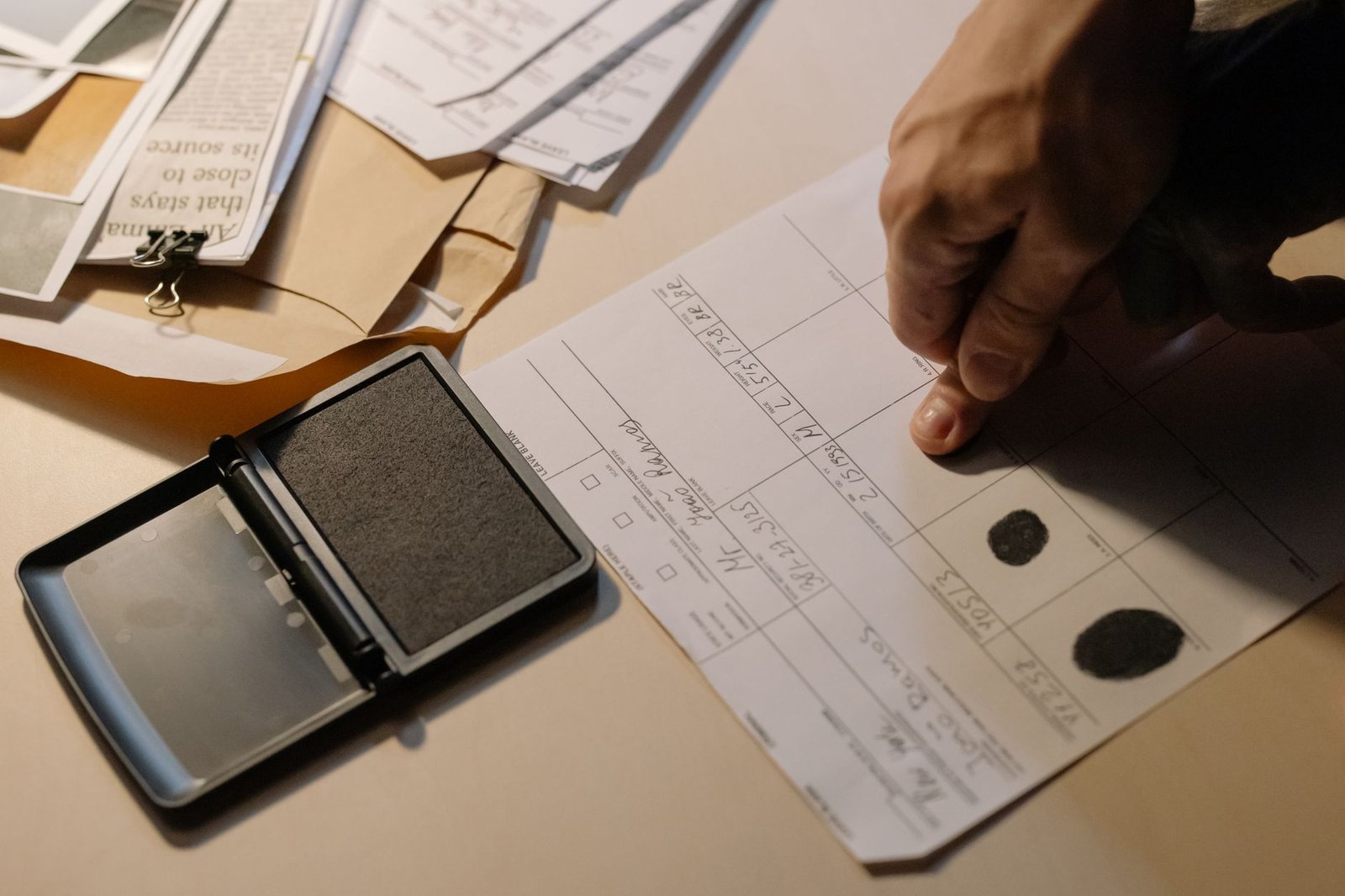
Documenting injuries for claims is a crucial step in ensuring that you receive the compensation you deserve after an accident. Properly gathered and organized evidence can significantly impact the outcome of your claim and help establish the legitimacy of your injuries. This comprehensive guide delves into the importance of documenting injuries for claims, outlining the essential evidence for injury claims that you need to collect, such as medical records and witness statements. Additionally, we provide valuable injury documentation tips to help claimants navigate the often complex claims process. By employing best practices for strong claim documentation, you can bolster your case and enhance your chances of a favorable resolution. We also address common questions about documenting injuries for claims, equipping you with the knowledge needed to approach your claim confidently. Whether you are dealing with a minor injury or a more severe incident, understanding how to document your injuries effectively is vital to securing the compensation you deserve. For further insights, refer to the [National Safety Council](https://www.nsc.org) and the [Centers for Disease Control and Prevention](https://www.cdc.gov) for more information on injury prevention and documentation.
The Importance of Documenting Injuries for Claims
Why Accurate Documentation Matters
Documenting injuries for claims is a critical aspect of the claims process that can significantly impact the outcome of your case. Accurate documentation serves as the backbone of any claim, providing necessary evidence for injury claims. When injuries are meticulously documented, it helps to establish the extent of damages, the circumstances surrounding the incident, and the subsequent medical treatment received. This clarity can be pivotal in negotiations with insurance companies or in court.
Studies have shown that claimants with well-documented injuries are often more successful in securing higher compensation amounts. According to the Nolo, cases with strong claim documentation can result in up to 3.5 times more favorable settlements than those lacking sufficient evidence. This stark difference underscores the importance of thorough record-keeping.
Impact of Documentation on Claim Outcomes
The impact of documenting injuries for claims extends beyond merely providing proof. Comprehensive injury documentation can expedite the claims process, allowing for quicker resolutions. Additionally, it prepares you for potential disputes by laying out a clear narrative of events and medical evaluations. This narrative can be supported by various forms of documentation, including:
- Medical records
- Photographs of injuries

Photo by Lum3n on Pexels - Witness statements
- Incident reports
Utilizing these injury documentation tips can greatly enhance your chances of a successful claim. Remember, the more organized and detailed your documentation, the stronger your claim will be. Failing to document adequately can leave you vulnerable to disputes, delaying compensation, or even resulting in claim denial.
Key Evidence for Injury Claims: What You Need to Gather
When it comes to documenting injuries for claims, having the right evidence is crucial. The quality and comprehensiveness of your evidence can significantly impact the success of your claim. Below, we outline the types of evidence you should gather and provide tips on how to keep your documentation organized.
Types of Evidence to Collect
To build a strong case, collect the following essential evidence for injury claims:
- Photographs: Take clear images of the injury, the accident scene, and any property damage. Ensure these photos are time-stamped and accurately depict the circumstances.
- Medical Records: Obtain records from healthcare providers detailing your diagnosis, treatment, and any related medical expenses. These documents serve as vital proof of your injuries.
- Witness Statements: Collect written or recorded statements from individuals who witnessed the incident. Their accounts can corroborate your version of events.
- Police Reports: If applicable, secure a copy of any police report filed regarding the incident. This official documentation can lend credibility to your claim.
- Incident Reports: For workplace injuries, request copies of internal incident reports that may have been filed.
- Insurance Correspondence: Keep all communication with insurers, including claims, offers, and denials, as they can demonstrate the claims process.
How to Organize Your Evidence for Documenting Injuries for Claims
A well-organized collection of evidence can streamline the claims process. Here are some injury documentation tips to help you stay organized:
- Create a Dedicated Folder: Use a physical or digital folder specifically for your claim. Label it clearly for easy access.
- Chronologically Order Documents: Arrange your evidence in chronological order. This helps illustrate the timeline of events leading to your injury.
- Use Labels and Summaries: Clearly label each piece of evidence and include a brief summary of its relevance to your claim.
- Keep Copies: Maintain copies of all documents in case of loss or damage to the originals.
By gathering comprehensive evidence and organizing it effectively, you strengthen your claim documentation, making it easier to present your case to insurers or in court. Remember, thorough documentation is key to maximizing your chances of a successful outcome.

Injury Documentation Tips: Best Practices for Claimants
Documenting Injuries for Claims: A Step-by-Step Guide
Effective documentation is crucial when pursuing compensation for injuries. Here are key injury documentation tips to help you build a strong case:
- Maintain a Symptom Journal: Regularly note down your symptoms, including pain levels, emotional impact, and daily challenges. This log will provide a comprehensive view of how your injuries affect your life.
- Take Regular Photos: Document your injuries visually by taking clear photos at different stages of healing. This visual evidence can be vital for supporting your claims.
- Follow Up with Medical Professionals: Ensure that you maintain all scheduled appointments and document any changes in your condition. Keep records of medical reports and recommendations, as they serve as critical evidence for injury claims.
- Collect Witness Statements: If there were witnesses to your injury, obtain their contact information and ask if they would provide a statement. This can enhance the credibility of your documentation.

Mistakes to Avoid in Injury Documentation
While documenting injuries for claims, claimants often face pitfalls that can undermine their cases. Avoid these common mistakes:
- Inconsistency: Failing to keep up with regular documentation can lead to gaps in your narrative. Consistency is key in establishing a timeline of your recovery.
- Neglecting Emotional Impact: Many claimants focus solely on physical injuries. Remember to document emotional and psychological effects, which can also be compensable.
- Not Reporting to Your Doctor: If your symptoms worsen or new symptoms arise, report them promptly. Failing to communicate these changes can weaken your claim.
- Ignoring Deadlines: Be aware of any deadlines related to your claim or evidence submission. Delays can jeopardize your ability to receive compensation.
By implementing these strong claim documentation practices and avoiding common errors, you can significantly enhance your chances of a successful outcome in your injury claim. For more insights on this topic, visit our detailed guide on Document Injuries for Injury Claim: A Complete Guide.
Building Strong Claim Documentation: A Comprehensive Approach
When it comes to documenting injuries for claims, a well-structured approach to claim documentation can significantly impact the success of your case. Creating a detailed timeline of events and consulting with professionals are two essential steps in this process.
Creating a Timeline of Events
A comprehensive timeline is crucial for establishing the sequence of events surrounding your injury. Start by documenting the date and time of the incident, the circumstances leading up to it, and any immediate actions taken afterward. Include details such as:
- Location of the incident
- Witnesses present
- Initial symptoms and reactions
- Medical treatments received and dates
This timeline serves as strong claim documentation, helping to reinforce your case with evidence for injury claims. After you have created your timeline, regularly update it with any new medical treatments or evaluations you receive. Keeping this record organized can also assist healthcare providers in understanding your treatment progression, which is essential for ongoing care.

Consulting with Professionals
To ensure that your documentation aligns with claim requirements, consulting with legal or insurance professionals is highly recommended. These experts can provide valuable injury documentation tips and help you identify any gaps in your evidence. A professional review of your documentation not only strengthens your claim but also increases the likelihood of a favorable outcome.
Additionally, professionals can guide you on the necessary forms and procedures for your specific case. They can help clarify any ambiguities related to your rights and responsibilities following an injury. Engaging with experts ensures that you are well-prepared to present your claim effectively.
By prioritizing the creation of a detailed timeline and seeking professional consultation, you enhance your chances of successfully documenting injuries for claims. This comprehensive approach lays a strong foundation for your case, ensuring that all necessary documentation is in place.
For further guidance on navigating the claims process, consider exploring Document Your Injury for Maximum Compensation that delve deeper into the specifics of claim documentation.
Common Questions About Documenting Injuries for Claims
When navigating the complexities of injury claims, many individuals have common questions about documenting injuries for claims. Understanding what to document can significantly impact the outcome of your claim, providing a solid foundation of evidence for injury claims. Below are answers to some frequently asked questions that can help clarify your concerns.
What Should I Document Right After an Injury?
Immediately after an injury, it is crucial to gather and document as much information as possible. Here are key elements to focus on:
- Photographs: Take clear photos of your injuries, the accident scene, and any contributing factors.
- Medical Records: Seek medical attention and ensure that all treatments and diagnoses are documented thoroughly.
- Witness Statements: Collect contact information from any witnesses who can support your account of the incident.
- Incident Reports: If applicable, obtain any official reports made by law enforcement or workplace safety officials.
These items are essential for strong claim documentation and can significantly influence the success of your claim as they provide comprehensive evidence of your injuries and their circumstances.
How Long Should I Keep My Documentation?
It is advisable to keep all documentation related to your injury for as long as your claim is active, and in many cases, for several years after resolution. This includes:
- Medical bills and treatment records
- Correspondence with insurance companies
- Any notes or journals detailing your recovery process
Maintaining thorough records over time ensures you have access to critical information should any disputes arise later. Remember, documenting injuries for claims is not just about immediate needs; it’s about preparing for potential future challenges as well.

By following these injury documentation tips, you can create a robust portfolio of evidence that supports your claim. For more guidance on the documentation process, consider consulting a legal professional to assist in navigating the complexities of your case.
Documenting injuries for claims is a crucial step in ensuring you receive the compensation you deserve. By following effective injury documentation tips, you can create strong claim documentation that stands up to scrutiny. Gather all relevant evidence for injury claims, such as photographs of the injury, medical reports, and witness statements, to substantiate your case. The more thorough your documentation, the stronger your claim will be.
As you prepare to file your claim, take the time to organize your evidence and seek professional guidance if needed. This proactive approach will enhance your chances of a successful outcome. Remember, the journey to compensation begins with meticulous documentation, so prioritize your efforts to capture every detail accurately. Start today by reviewing your records and compiling the necessary information to support your claim.
“`html
What is the best way to document injuries after an accident?
The best way to document injuries after an accident is to start by taking clear photographs of the injuries and the accident scene. Include detailed notes about the incident, capturing the date, time, location, and circumstances surrounding it. Collect witness statements if possible, and keep all medical records and bills. This comprehensive approach is vital for effectively supporting your case when documenting injuries for claims.
How can I ensure my injury documentation is effective?
To ensure your injury documentation is effective, be thorough and organized. Keep all records in a dedicated folder, including photographs, medical reports, and correspondence related to your injury. Use a timeline to track the progression of your injuries and treatments. Regular updates on your condition can also be helpful. Following these injury documentation tips will strengthen your case significantly.
What types of evidence are most important for injury claims?
For injury claims, the most important types of evidence include medical records, photographs of injuries and the accident scene, witness statements, and police reports. Additionally, any correspondence with insurance companies and documentation of lost wages can also support your claim. Collecting strong claim documentation is crucial for establishing the extent of your injuries and the impact on your life.
How long should I keep documentation for my injury claim?
It is advisable to keep documentation for your injury claim for at least several years after the incident, especially if the case is ongoing or if you expect future medical treatment. Some jurisdictions have specific statutes of limitations that may affect your case, so maintaining a detailed record can be invaluable. Regularly review and update your documentation to ensure it remains relevant and comprehensive.
Are there specific documentation tips for different types of injuries?
Yes, specific documentation tips can vary based on the type of injury. For instance, if you have a soft tissue injury, it’s essential to keep track of physical therapy sessions and any pain you experience. For visible injuries, such as fractures or lacerations, take detailed photographs over time to show healing progress. Tailoring your documentation to your specific injuries will help enhance the effectiveness of your claims.
What mistakes should I avoid when documenting my injuries?
Avoid common mistakes such as failing to document your injuries immediately after the incident or neglecting to keep all related records organized. Do not underestimate the value of minor injuries; document everything, as it may become relevant later. Avoid making statements that could be misinterpreted by insurance adjusters. Being meticulous in documenting injuries for claims can prevent complications later on.
“`