
Understanding the factors affect injury claim value is crucial for anyone navigating the complexities of personal injury cases. Various claim value determinants play a significant role in establishing the worth of an injury claim. This article delves into the essential personal injury compensation factors that influence settlement outcomes, offering key insights for both claimants and legal professionals alike. We will explore the critical role of medical evidence in shaping settlement value factors, how liability and negligence impact claim value, and the evaluation of non-economic damages. Additionally, we will examine how insurance companies assess injury claim value, providing a comprehensive overview of the processes involved. By understanding these elements, claimants can better position themselves to maximize their injury claim value and secure fair compensation for their suffering. For more information on related topics, consider visiting Nolo or American Bar Association.
Understanding the Factors that Affect Injury Claim Value
Injury claim value is a crucial element for anyone pursuing compensation after an accident. Understanding the various factors that affect injury claim value is essential for claimants who wish to maximize their potential compensation. The value of a claim can vary significantly based on numerous elements, making it imperative for individuals to assess these factors diligently.
Key Personal Injury Compensation Factors
Several personal injury compensation factors can influence the overall value of a claim. These include:
- Severity of Injuries: More severe injuries typically result in higher compensation due to greater medical expenses and long-term impacts.
- Medical Expenses: All medical costs incurred as a result of the injury, including rehabilitation and ongoing treatment, will be considered.
- Lost Wages: If the injury results in time off work, lost wages can significantly impact the claim value.
- Pain and Suffering: Non-economic damages, such as emotional distress and reduced quality of life, are also factored into the overall compensation.
Claim Value Determinants Explained: What Factors Affect Injury Claim Value?
Understanding claim value determinants is crucial when evaluating your case. Key settlement value factors include:
- Liability: The extent to which fault can be established can directly impact the claim value.
- Insurance Coverage: The available coverage limits of the insurance policy involved can cap potential compensation.
- Jurisdiction: Different states have varying laws regarding personal injury claims, which can influence the outcome.
By thoroughly evaluating these personal injury compensation factors and understanding the claim value determinants, claimants can better position themselves for a favorable outcome. Ensuring all relevant factors are considered will help maximize the compensation received. 
The Role of Medical Evidence in Settlement Value Factors
Importance of Medical Documentation
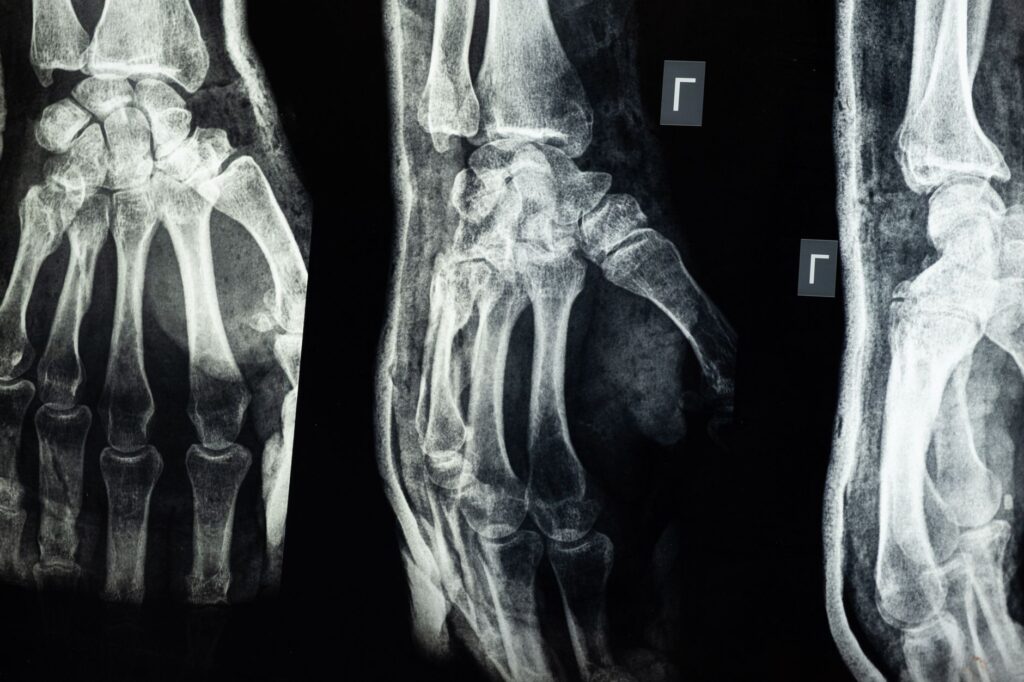
Medical evidence is a cornerstone of personal injury claims, serving as one of the primary factors affect injury claim value. Comprehensive medical documentation, including treatment records, diagnostic tests, and progress notes, provides a factual basis for understanding the extent of injuries sustained. This evidence not only establishes the reality of the injury but also helps link it directly to the incident in question, which is crucial for proving liability.
To maximize your claim value, ensure that you collect and organize all relevant medical documents. Here are some actionable tips:
- Keep Detailed Records: Document every visit to healthcare providers, including dates, diagnoses, treatments, and recommendations.
- Request Copies: Always request copies of your medical records and reports. This ensures accuracy and completeness.
- Follow Treatment Plans: Adhere to prescribed treatments and attend all follow-up appointments, as consistency reinforces the credibility of your claims.
How Medical Opinions Influence Claim Value
Expert medical opinions can significantly impact the settlement value factors of your claim. Medical professionals can provide testimony regarding the severity of injuries, necessary future treatments, and the potential long-term effects on your life. Such expert insights are vital claim value determinants because they help quantify your pain and suffering, as well as any economic losses related to your injury.
When seeking expert opinions, consider the following:
- Choose Reputable Experts: Select medical professionals who have experience in your specific type of injury. Their credibility can enhance the weight of their testimony.
- Prepare for Depositions: If an expert is required to testify, ensure they are well-prepared to articulate the medical aspects of your case clearly and persuasively.
- Utilize Written Reports: A well-documented report outlining your medical condition, treatment, and prognosis can serve as powerful evidence in negotiations or court proceedings.

By effectively gathering and presenting medical evidence, you can significantly influence the factors that affect injury claim value, ultimately leading to a more favorable settlement outcome.
Impact of Liability and Negligence on Claim Value
Establishing Liability and Factors Affect Injury Claim Value
One of the essential claim value determinants in any personal injury case is establishing liability. Liability refers to the legal responsibility of a party for causing harm. If you can demonstrate that the other party was liable, your injury claim’s value significantly increases. For instance, in a car accident scenario, proving that the other driver was speeding or under the influence can substantially enhance your compensation prospects.
Conversely, if liability is shared, such as in a slip and fall case where the injured party was also partially at fault for not paying attention, this may reduce the overall claim value. In such scenarios, the compensation may be lowered in proportion to the degree of fault assigned to the injured party, reflecting the complexities of liability in personal injury claims.
Negligence and Its Consequences on Claim Value
Negligence is a critical element in determining personal injury compensation factors. Proving that the other party acted negligently, failing to meet a standard of care, can lead to a favorable outcome. For example, if a property owner neglects to fix a known hazard, resulting in a visitor’s injury, the owner can be held liable for negligence. This can greatly influence the settlement value factors, as the more egregious the negligence, the higher the potential compensation.
Additionally, different jurisdictions may have varying negligence laws, such as contributory or comparative negligence, which can impact the claim value. Understanding how these laws apply to your situation is vital for maximizing your compensation. In summary, establishing liability and demonstrating negligence are pivotal in shaping the factors that affect injury claim value.
Evaluating Non-Economic Damages as Settlement Value Factors
What are Non-Economic Damages?
Non-economic damages refer to compensation awarded for intangible losses suffered by an individual due to a personal injury. Unlike economic damages, which cover tangible costs like medical bills and lost wages, non-economic damages account for pain and suffering, emotional distress, loss of enjoyment of life, and loss of companionship. These damages play a significant role in establishing overall claim value since they address the profound effects an injury can have on a person’s life, thereby influencing the factors affect injury claim value.
Calculating Pain and Suffering
Determining the monetary value of non-economic damages, specifically pain and suffering, often involves various methods. Two common approaches are the multiplier method and the per diem approach.
- Multiplier Method: This involves taking the total of economic damages (like medical expenses) and multiplying it by a number typically ranging from 1.5 to 5, depending on the severity of the injury and its impact on the victim’s life. The multiplier reflects the subjective nature of pain and suffering and is one of the key claim value determinants.
- Per Diem Approach: This method assigns a daily monetary value to the victim’s pain and suffering, which is then multiplied by the number of days the victim is expected to experience this suffering. It provides a more granular view of the impact, making it a widely recognized settlement value factor.
Understanding how to evaluate and calculate non-economic damages is crucial for anyone involved in a personal injury case. These damages significantly contribute to the overall claim value, emphasizing the importance of accurately assessing all personal injury compensation factors involved.

How Insurance Companies Assess Injury Claim Value
Understanding Insurance Adjusters
Insurance adjusters play a crucial role in determining the value of an injury claim. They evaluate various claim value determinants, including medical expenses, lost wages, and the overall impact on the claimant’s quality of life. These professionals often rely on guidelines and historical data to assess settlements, and they may also factor in the severity of the injury and any potential long-term effects. Understanding how these adjusters think can help claimants navigate the process more effectively.
Insurance companies typically use a formula that includes both economic and non-economic damages. Economic damages cover tangible losses, such as medical bills and lost income, while non-economic damages address pain and suffering, emotional distress, and loss of enjoyment of life. By comprehensively analyzing these personal injury compensation factors, insurance adjusters arrive at a settlement offer that may initially seem low to the claimant.
Negotiation Strategies for Better Offers: Factors Affect Injury Claim Value
To improve the chances of receiving a fair settlement, claimants can employ several negotiation strategies. First, gather extensive documentation of all medical treatments, bills, and other relevant expenses. This evidence can substantiate your claim and serves as a powerful tool during negotiations.
Additionally, it’s essential to understand the settlement value factors specific to your case. Researching similar cases can provide insight into potential outcomes and guide your expectations. When presenting your claim, emphasize the long-term implications of your injury, as this can significantly influence the perceived value of your case.
Finally, consider consulting a personal injury attorney. Legal professionals can help you navigate the complexities of negotiations and advocate for your interests, ultimately enhancing your chances of achieving a favorable outcome in light of the factors that affect injury claim value.

Conclusion: Maximizing Your Injury Claim Value
Key Takeaways on Factors Affect Injury Claim Value
Understanding the factors that affect injury claim value is essential for anyone navigating the complex landscape of personal injury compensation. The value of your claim hinges on multiple claim value determinants, including the severity of injuries, the impact on daily life, evidence provided, and the liability of the other party. Each of these factors plays a critical role in determining potential compensation.
Moreover, personal injury compensation factors such as medical expenses, lost wages, and emotional distress also contribute to the overall settlement value. Being aware of these elements can significantly enhance your ability to negotiate effectively and secure a fair settlement.

Next Steps for Claimants
To improve your claim’s value, take proactive steps: gather comprehensive medical records, document all related expenses, and maintain a detailed account of how your injury has affected your daily life. Engaging with a personal injury attorney can also provide invaluable insight into the settlement value factors specific to your case. They can help you build a strong case by emphasizing the critical elements that maximize compensation.
Ultimately, understanding the factors that affect injury claim value not only empowers you but also enhances your chances of receiving the compensation you deserve. Take charge of your claim today and ensure that all pertinent information is collected and presented effectively.
For more guidance on navigating your personal injury claim, consider exploring Top 5 Factors That Influence Your Injury Claim Settlement Amount.
Understanding the various factors affect injury claim value is crucial for anyone pursuing personal injury compensation. The interplay of claim value determinants such as the severity of injuries, medical expenses, and the impact on quality of life all play a significant role in determining the potential settlement amount. Additionally, personal injury compensation factors like liability and evidence quality can further influence this value.
As you navigate the complexities of your case, it is essential to evaluate these settlement value factors carefully. Consulting with a knowledgeable attorney who specializes in personal injury law can provide you with tailored insights that take into account the unique circumstances of your situation. Taking this proactive step will empower you to make informed decisions and better advocate for the compensation you deserve.
“`html
What factors affect the value of an injury claim?
Several factors affect injury claim value, including the severity of the injury, medical expenses, lost wages, and emotional distress. The circumstances surrounding the accident, liability issues, and the presence of reliable evidence also play crucial roles. Additionally, the jurisdiction’s laws can impact the calculation of damages, which is why understanding these elements is vital when pursuing a claim.
How do insurance companies determine claim value?
Insurance companies evaluate claim value by reviewing various factors, such as medical records, bills, and reports on the accident. They assess the extent of injuries, the impact on the claimant’s life, and any future medical costs. Their goal is to calculate a fair settlement based on these details while also considering industry standards and past case outcomes.
What are the key determinants of personal injury compensation?
The key determinants of personal injury compensation include medical expenses, lost wages, and pain and suffering. Additionally, factors like the duration of recovery, the degree of negligence involved, and the claimant’s pre-existing conditions can influence the final compensation amount. Each case is unique, and a thorough assessment is necessary to arrive at an appropriate figure.
How does medical evidence impact injury claim value?
Medical evidence is critical in determining the value of an injury claim. It provides objective documentation of injuries, treatment received, and ongoing medical needs. Strong medical evidence can support the claimant’s assertions about the severity of their condition and the impact on their life, ultimately influencing the compensation awarded. Without adequate medical documentation, it may be challenging to substantiate claims for damages.
What are non-economic damages in a personal injury case?
Non-economic damages refer to compensation for intangible losses such as pain and suffering, emotional distress, and loss of enjoyment of life. Unlike economic damages, which cover quantifiable expenses like medical bills and lost wages, non-economic damages address the more subjective impacts of an injury. They can significantly affect the overall claim value, reflecting the true extent of a victim’s suffering.
What should I include in my injury claim documentation?
Your injury claim documentation should include medical records, bills, and any other evidence of treatment. Additionally, gather documentation of lost wages, accident reports, photographs of injuries or the accident scene, and witness statements. Keep a detailed record of your recovery process and any correspondence with insurance companies. This comprehensive documentation will support your claim and enhance your chances of receiving fair compensation.
“`