To effectively gather evidence for your injury claim, understanding the nuances of evidence collection is crucial. The success of your personal injury case largely hinges on the quality and comprehensiveness of the evidence you compile. This article serves as a complete guide, detailing how to gather evidence for your injury claims, the importance of evidence in claims, and common challenges you may face while collecting evidence for personal injury. We will explore actionable strategies that ensure you not only gather the necessary documentation but also present it in a manner that strengthens your case. Whether you are dealing with medical records, eyewitness accounts, or photographic evidence, knowing the best practices for evidence collection can make a significant difference in the outcome of your claim. For further reading on the legal aspects of personal injury claims, consider reviewing resources from Nolo and FindLaw.
How to Gather Evidence for Your Injury Claim Effectively
Types of Evidence for Injury Claims
Successfully gathering evidence for your injury claim is crucial for establishing the legitimacy of your case. Various types of evidence can strengthen your claim, including:
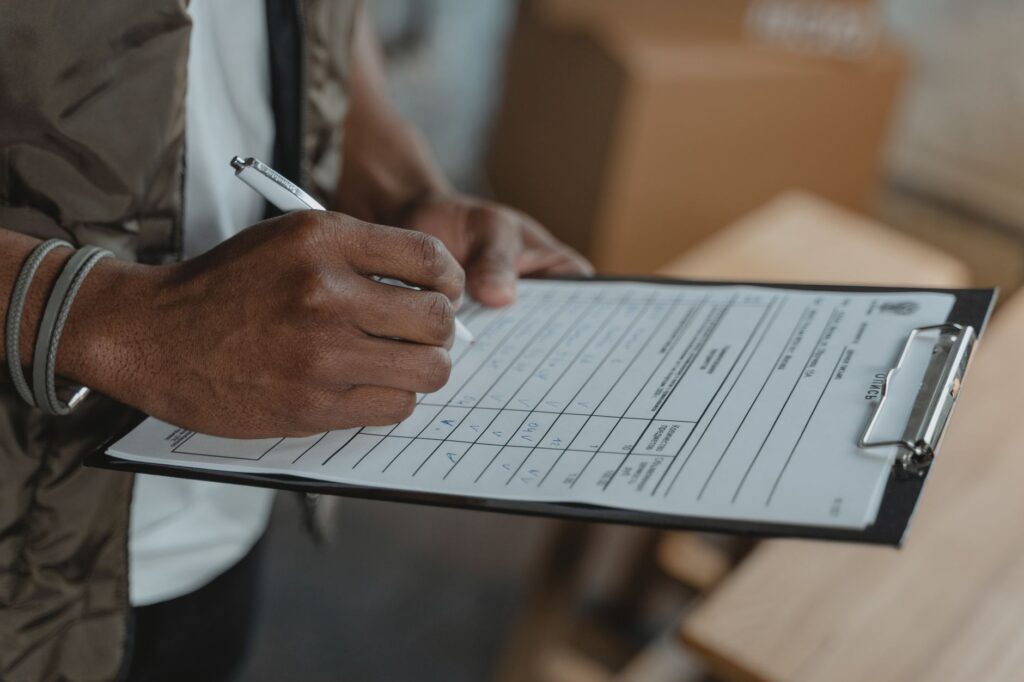
- Documents: This includes accident reports, insurance policies, and any correspondence with insurance companies. These documents are essential for validating your claim.
- Witness Statements: Eyewitness accounts can provide critical perspectives on the incident. Collect contact information from witnesses to obtain their statements later.
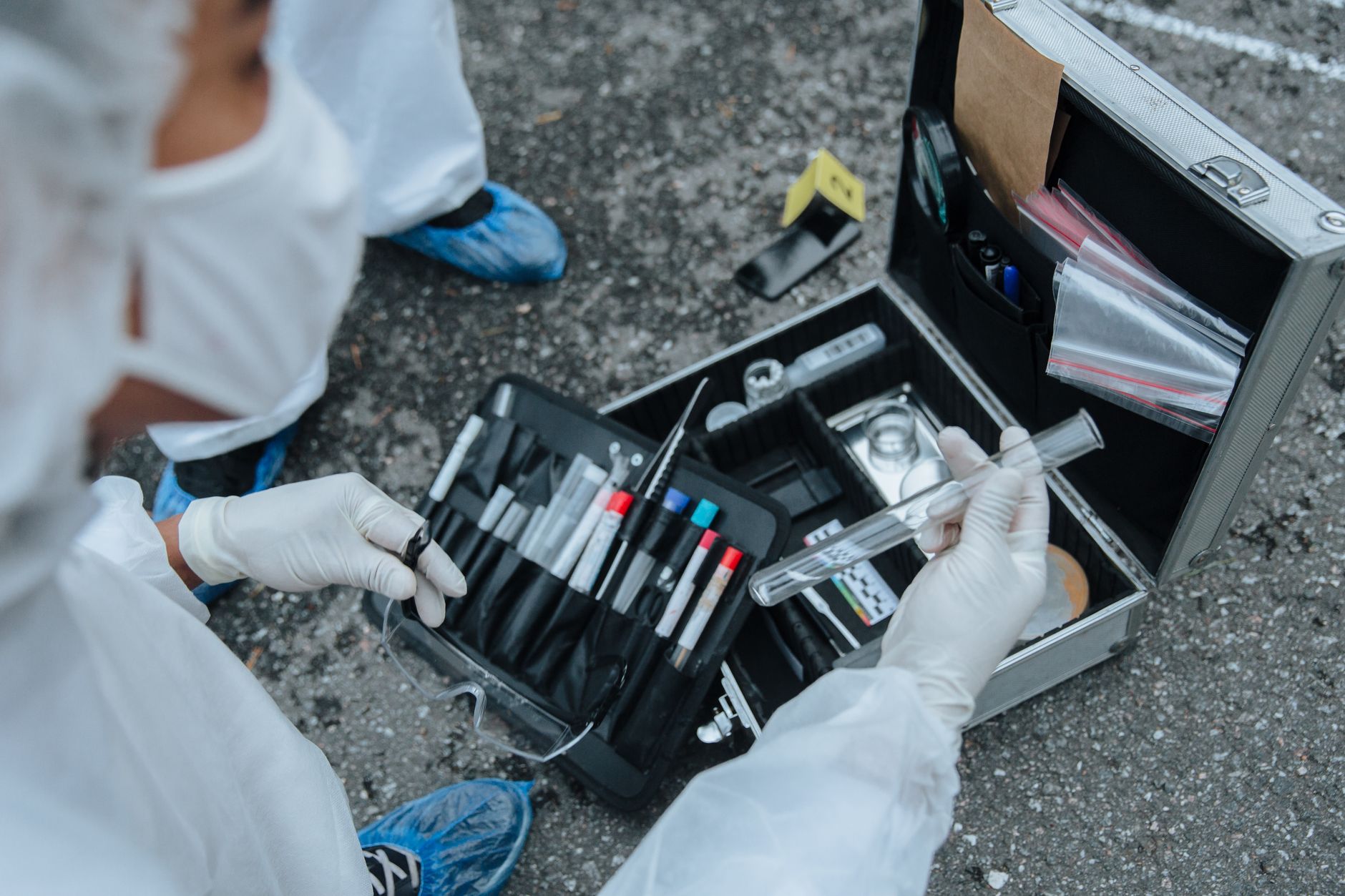
- Photographs: Visual evidence can illustrate the scene of the accident, your injuries, and property damage. Documenting these details can significantly impact your case.
- Medical Records: Medical documentation detailing your injuries and treatment history is vital. This evidence establishes the severity of your injuries and associated costs.
Each type of evidence plays a role in showcasing the importance of evidence in claims and can be pivotal in persuading an insurance adjuster or a jury about the validity of your claim.
Steps for Collecting Evidence in Personal Injury Cases
To effectively gather evidence for your injury claim, follow these practical steps:
- Document Everything: As soon as possible after the incident, start collecting evidence. Take photographs of the scene, injuries, and any relevant property damage.
- Gather Witness Information: Obtain names and contact details from witnesses. Their statements can provide additional credibility to your case.
- Keep Records Organized: Maintain a folder or digital file for all documents, photos, and correspondences. Organized documentation will make it easier to present your case.
- Consult Professionals: In complex cases, consider hiring an accident reconstructionist or legal expert. Their expertise can strengthen your claim by providing professional insights.
- Preserve Evidence: Ensure that all physical evidence is stored safely. For digital evidence, maintain backups to prevent loss.
By taking these systematic steps to gather evidence injury claim, you enhance the chances of a favorable outcome. Remember, the more thorough your evidence collection is, the stronger your case will be.
The Importance of Evidence in Claims
Why Evidence Matters in Personal Injury Cases
When pursuing a personal injury claim, the importance of evidence in claims cannot be overstated. Evidence serves as the cornerstone of your case, determining both liability and the compensation amount you may receive. Strong evidence can mean the difference between a successful claim and one that is dismissed. For instance, according to a report by the National Safety Council, cases supported by comprehensive evidence have a significantly higher likelihood of achieving favorable settlements.
Gathering evidence for injury claims involves collecting documentation, witness statements, photographs, and medical records that illustrate the extent of your injuries and the circumstances surrounding the incident. This evidence not only establishes liability but also supports your claims regarding damages, such as medical expenses, lost wages, and pain and suffering.
How to Use Evidence to Strengthen Your Claim
To effectively gather evidence for your injury claim, it is essential to approach the process systematically. Here are some actionable steps to consider:
- Document Everything: Keep detailed records of all related expenses and communications. This includes medical bills, receipts, and any correspondence with insurance companies.
- Collect Witness Statements: If there were any witnesses to your injury, obtain their contact information and ask if they would be willing to provide a statement.
- Take Photographs: Capture images of the accident scene, your injuries, and any other relevant details that could support your claim.
- Create a Timeline: Organize your evidence chronologically to help illustrate the sequence of events leading up to your injury. This can be critical in demonstrating liability.
Additionally, consider consulting with a legal professional to help you navigate the complexities of collecting evidence for personal injury cases. They can assist in ensuring that your evidence is presented effectively, increasing the chances of a favorable outcome.
Statistics show that claimants with well-organized evidence and a clear timeline of events tend to settle for higher amounts compared to those without. This underscores the necessity of thorough preparation when you gather evidence for your injury claim. 
Common Challenges in Collecting Evidence for Injury Claims
Overcoming Obstacles in Evidence Collection
Gathering evidence for your injury claim can be a daunting task, especially when faced with various challenges. One of the most common obstacles is the lack of immediate access to evidence following an incident. Witnesses may leave the scene, or critical documents may be misplaced. To mitigate this, it’s essential to act quickly. Document everything as soon as possible, including taking photographs, collecting witness contact information, and writing down your account of the incident. This proactive approach can significantly enhance your ability to gather evidence for your injury claim.
Another significant hurdle is understanding which types of evidence are necessary for your specific case. Many individuals struggle with collecting evidence for personal injury claims, often overlooking essential documentation like medical records, police reports, and insurance communications. A comprehensive checklist can help ensure you have all necessary components. Seeking guidance from legal professionals can also clarify the types of evidence required and streamline the collection process.
Finally, emotional barriers such as stress or anxiety following an injury can hinder your ability to collect evidence effectively. Consider enlisting a friend or family member to assist you. They can provide support and help with the logistics of documentation, allowing you to focus on your recovery.
Legal Considerations in Evidence Gathering
When gathering evidence for injury claims, understanding legal considerations is crucial. Privacy laws can restrict access to certain types of evidence, particularly medical records. Ensure you obtain any necessary consent forms or releases from relevant parties to avoid legal complications. Additionally, the admissibility of evidence can vary by jurisdiction, impacting whether your collected evidence will be accepted in court.
It’s also important to understand the importance of evidence in claims. Evidence must not only be relevant but also credible. This means ensuring that all collected evidence complies with local laws and regulations. If you are unsure about the legality or acceptability of your evidence, consulting with a legal professional can provide clarity and support.
By navigating these challenges with a strategic approach, you can effectively gather evidence for your injury claim and enhance your chances of a successful outcome.
Actionable Takeaways for Your Injury Claim
Gathering evidence for your injury claim is pivotal in establishing the validity of your case. Evidence not only strengthens your claim but also significantly impacts the compensation you may receive. Below are actionable takeaways that can help you effectively gather evidence for your injury claim.
Creating a Comprehensive Evidence Checklist
To streamline your efforts, create a checklist of the types of evidence you need. This will help ensure you don’t overlook any crucial information:
- Photographic Evidence: Take clear photos of the accident scene, your injuries, and any property damage.
- Medical Records: Collect all documentation related to your treatment, including diagnoses, prescriptions, and invoices.
- Witness Statements: Obtain contact information and statements from any witnesses present at the time of the incident.

Photo by cottonbro studio on Pexels - Police Reports: If applicable, request a copy of the police report that documents the incident.
- Expert Testimonies: In some cases, expert evaluations may be necessary to substantiate your claims.
- Insurance Correspondence: Keep copies of all communications with insurance companies.
By following this checklist when collecting evidence for personal injury, you can build a strong foundation for your claim. The importance of evidence in claims cannot be overstated; it serves as a vital tool in proving liability and justifying your compensation request.
When to Consult a Legal Professional
While gathering evidence for your injury claim can be done independently, there are instances where it may be beneficial to consult a legal professional. Consider hiring an attorney if:
- Your injury results in significant medical expenses or lost wages.
- You encounter difficulties with the insurance company or opposing party.
- The case involves complex legal issues or multiple liable parties.
In such situations, an experienced attorney can assist in navigating the complexities of the legal system and help you gather evidence more effectively. They can also ensure that you comply with legal deadlines and requirements necessary for your claim. If you need expert support, don’t hesitate to seek legal advice to maximize your chances of a successful outcome. The Role of Medical Records in Personal Injury Claims
By implementing these actionable takeaways, you can effectively gather evidence for your injury claim and improve your chances of receiving fair compensation.
Gathering evidence for your injury claim is not just a procedural step; it is a critical component that can make or break your case. The importance of evidence in claims cannot be overstated, as it substantiates your claims and helps demonstrate the extent of your injuries. By carefully collecting evidence for personal injury, you enhance your chances of securing a favorable outcome, whether through negotiation or litigation.
As you embark on this journey to gather evidence for your injury claim, prioritize documenting everything from medical records to witness statements. Every piece of information contributes to building a robust case. To begin, create a systematic approach for collecting evidence, ensuring you leave no stone unturned. Start today by organizing your documentation and reaching out to potential witnesses. Taking these initial steps will put you on the right path toward a successful claim.
“`html
What types of evidence do I need for an injury claim?
To successfully gather evidence for your injury claim, you will need various types of documentation. This includes medical records, accident reports, photographs of the scene and injuries, witness statements, and any relevant correspondence. Additionally, if applicable, gather evidence of lost wages or other financial impacts. The more comprehensive your evidence, the stronger your claim will be.
How can I collect evidence for my personal injury case?
Collecting evidence for a personal injury case involves several steps. Start by documenting the scene of the accident with photos and notes. Obtain medical records and treatment details from healthcare providers. Interview witnesses and gather their contact information. You may also want to keep a journal of your recovery process. This documentation will support your claim and demonstrate the impact of the injury.
Why is evidence important in injury claims?
The importance of evidence in claims cannot be overstated. Evidence substantiates your assertions, proving that an injury occurred due to someone else’s negligence. It helps establish liability and the extent of damages, which is crucial for negotiation or litigation. Without solid evidence, your claim may weaken, making it harder to achieve a favorable outcome.
What should I include in my evidence checklist?
Your evidence checklist should include medical documents, photographs of the incident and injuries, witness contact details, police reports, and any documentation of lost wages. Additionally, consider including receipts for medical expenses and records of any rehabilitation or therapy. A comprehensive checklist will ensure you gather all necessary evidence for your injury claim.
Can I collect evidence after a settlement?
Generally, once you reach a settlement, you cannot collect further evidence for that claim, as the case is considered closed. However, if new evidence emerges that could significantly alter the understanding of your injury or its impact, consult with an attorney. They can advise you on whether any legal recourse is available based on the new information.
How do I organize evidence for my injury claim?
Organizing evidence for your injury claim is essential for clarity and effectiveness. Start by creating a dedicated folder, either physical or digital, to store all documents. Label each piece of evidence clearly, and use a timeline to record the sequence of events. Group related items together, such as medical records, photographs, and witness statements, to streamline your presentation of the claim.
“`