
The role of medical bills in an injury claim is crucial, serving as a primary determinant of compensation amounts. Understanding how medical bills affect claims is essential for claimants navigating the complexities of personal injury cases. In this article, we will explore the intricate relationship between medical expenses and settlements, detailing how these costs are factored into calculating claims with medical bills. Medical bills not only reflect the immediate costs associated with treatment but also influence the overall valuation of an injury claim. By analyzing various components of medical expenses, we aim to provide practical takeaways that empower claimants to effectively advocate for their rights and ensure they receive fair compensation. Whether you are dealing with hospital bills, rehabilitation costs, or ongoing medical treatment, grasping the impact of these expenses is vital in maximizing your settlement potential. Join us as we delve into the nuances of medical bills in injury claims, guiding you through the process with clarity and expertise.
Understanding Medical Bills in Injury Claim Calculations
What Are Medical Bills and Their Importance?
Medical bills are invoices that detail the costs associated with medical care received due to an injury. In the context of personal injury claims, these bills serve as crucial documentation that outlines the expenses incurred for treatment, rehabilitation, and any necessary follow-up care. Understanding the breakdown of medical expenses is essential for both the injured party and the insurance companies involved. They typically include charges for hospital stays, physician consultations, diagnostic tests, physical therapy, and medications.
Calculating medical bills injury claim accurately is vital, as these costs significantly impact the overall settlement amount. According to the National Association of Insurance Commissioners, medical expenses account for a large portion of personal injury settlements, making it imperative to document all related expenses meticulously. Understanding the nuances of medical bills helps claimants effectively argue for fair compensation.
How Medical Bills Affect Claims
Medical bills play a pivotal role in determining the value of an injury claim. When assessing a claim, insurance adjusters will look closely at how medical bills affect claims by evaluating the legitimacy and necessity of the treatments received. For example, a claim supported by extensive medical documentation for treatments that are clearly linked to the injury is likely to hold more weight than one with vague or incomplete records.
Moreover, an understanding of medical expenses and settlements enables claimants to negotiate better. Insurance companies often rely on the data presented in medical bills to determine the compensation they are willing to offer. Claimants should ensure that they are familiar with the details of their medical records and bills, as these documents serve as the foundation for calculating claims with medical bills.
medical bills are not just numbers; they are the cornerstone of personal injury claims. The accuracy and completeness of these documents can directly influence the outcome of a claim, highlighting the importance of keeping thorough records and engaging in careful documentation.
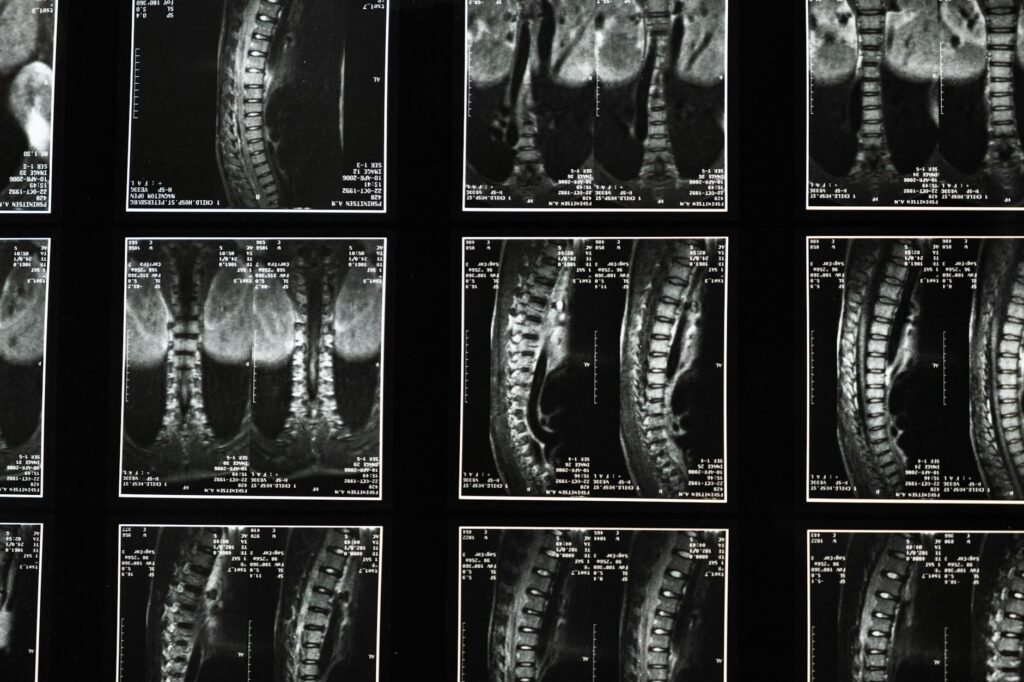
Calculating Claims with Medical Bills
When pursuing an injury claim, understanding the role of medical bills is crucial. Medical expenses are not just numbers; they are a reflection of the treatment required due to an injury. Accurately calculating claims with medical bills involves a thorough analysis of various components that contribute to overall medical expenses.
Components of Medical Expenses
Medical expenses typically encompass several crucial components, including:
- Hospital Bills: These are the primary costs associated with emergency room visits, surgeries, and in-patient care.
- Rehabilitation Costs: This includes physical therapy, occupational therapy, and other rehabilitation services that assist in recovery.
- Future Medical Care: Anticipating future treatment needs is essential, particularly for severe injuries requiring ongoing care.
- Medications: Prescription drugs for pain management or recovery should also be factored into the total medical expenses.
- Diagnostic Tests: Costs related to X-rays, MRIs, and other tests that help assess the injury are also included.
Each of these components plays a significant role in determining the total amount for medical bills injury claim calculations. As such, a comprehensive understanding of these expenses is essential for both the claimant and the insurance adjuster.
Methods of Calculation for Medical Bills Injury Claim
When calculating claims with medical bills, two primary methodologies are commonly used:
- Total Expense Calculation: This method involves summing all current medical bills related to the injury. This total gives a clear picture of the immediate financial impact on the claimant.
- Future Projections: For serious injuries, it is crucial to project future medical expenses. This may involve estimating costs for long-term care, ongoing rehabilitation, or potential surgeries. Expert testimony or medical assessments may be necessary to accurately forecast these expenses.
Understanding how medical bills affect claims is vital for a successful settlement negotiation. Insurance companies often look for detailed documentation of all medical expenses and future projections to justify claim amounts. By accurately calculating these claims, claimants can ensure they receive fair compensation for their medical expenses and settlements.

It’s essential to gather all relevant documentation and, if necessary, consult with medical professionals to provide a strong foundation for your claim. By doing so, you position yourself to navigate the claims process with confidence and clarity.
The Impact of Medical Bills on Settlements
When pursuing an injury claim, understanding the role of medical bills injury claim is essential. These bills not only reflect the immediate costs incurred due to medical treatment but also influence the overall settlement negotiations significantly. The amount of medical expenses and settlements often directly correlates to the severity of the injuries sustained and the treatment required.
Negotiating Settlements
During the settlement phase, medical bills serve as a critical piece of evidence that helps determine a fair compensation amount. Claimants typically present their medical expenses to support their case, making it crucial to keep meticulous records of all medical treatments, tests, and prescriptions. Insurance companies and opposing parties will closely scrutinize these bills in an effort to gauge the potential liabilities they face.
Moreover, how medical bills affect claims can vary based on the context of the injury. For instance, a more severe injury that results in extensive medical treatment can lead to higher settlement offers. This is why accurately documenting all medical expenses, including future treatment costs, is vital. If a claimant anticipates ongoing treatment, it’s essential to factor these potential future costs into the negotiations as well.
Factors Influencing Settlement Amounts
Several key factors influence the settlement amounts in injury claims:
- Extent of Injuries: The severity and permanence of the injuries play a significant role. More serious injuries typically result in higher medical bills and, consequently, higher settlements.
- Medical Expenses Incurred: The total amount spent on medical care directly impacts the claim. This includes hospital stays, surgeries, physical therapy, and ongoing treatments.
- Potential Future Costs: Anticipated future medical expenses, such as rehabilitation or long-term care, must also be considered when calculating claims with medical bills.
understanding and effectively utilizing medical bills injury claim details can greatly enhance negotiation strategies. By presenting a well-documented case that outlines both current and future medical expenses, claimants can advocate for a settlement that truly reflects their needs and losses. For more guidance on how to navigate your injury claim, consider consulting with a legal professional who specializes in personal injury cases. Estimate Medical Expenses for an Injury Claim

Practical Takeaways for Claimants
Documenting Medical Expenses for Your Medical Bills Injury Claim
Accurately documenting your medical expenses is crucial when pursuing a medical bills injury claim. Here are some actionable steps to ensure you have all necessary documentation:
- Collect All Receipts: Keep a detailed record of every medical bill, receipt, and invoice related to your injury. This includes hospital visits, surgery costs, physical therapy, and any prescription medications.
- Organize Documentation: Create a systematic filing system, whether digital or physical, so you can easily access your medical expenses. Label files by type of treatment or date for quick reference.
- Request Itemized Bills: Always ask for itemized bills from healthcare providers. These documents break down costs, making it easier to understand and verify charges.
- Track Additional Expenses: Don’t forget to include ancillary costs such as transportation to medical appointments or costs for necessary medical equipment. These can all factor into your overall claim.
Working with Legal Professionals on Your Medical Bills Injury Claim
Navigating the complexities of injury claims can be daunting, making it essential to work with experienced legal professionals. Here are some tips for maximizing your chances of a favorable settlement:
- Consult an Attorney Early: Engaging a legal professional early in the process can help you understand how medical bills affect claims. They can guide you on what documentation is needed and how to build a compelling case.
- Communicate Clearly: Keep your attorney informed about all medical treatments and expenses. The more they know, the better they can advocate for fair compensation based on your medical expenses and settlements.
- Be Prepared for Negotiations: Understand that calculating claims with medical bills often involves negotiation. Your attorney can help you understand the value of your claim and negotiate with insurance companies effectively.
By meticulously documenting your medical expenses and collaborating closely with legal professionals, you can strengthen your medical bills injury claim and enhance your chances of receiving the compensation you deserve.

Understanding the role of medical bills in injury claim calculations is crucial for anyone navigating the complexities of a personal injury case. Medical expenses and settlements are often intertwined, making it essential to accurately assess how medical bills affect claims. By meticulously documenting your medical expenses, you can bolster your case and potentially secure a more favorable settlement.
When calculating claims with medical bills, it’s important to consider not just the immediate costs but also the long-term implications of your injuries. Engaging with a knowledgeable attorney can provide valuable insights into how to best present your medical bills injury claim. To take the next step, gather all relevant medical documentation and consult a legal expert who can guide you through the claims process effectively.
“`html
How do medical bills affect injury claims?
Medical bills play a crucial role in injury claims as they provide tangible evidence of the financial impact of an injury. The total amount of medical expenses incurred directly influences the settlement amount. Insurers typically use these bills to assess the extent of the injuries and the associated costs, making them a key factor in calculating compensation for damages.
What types of medical expenses are considered in settlements?
Settlements can include a range of medical expenses such as hospital bills, surgical costs, rehabilitation fees, prescription medications, and follow-up care. Additionally, any necessary medical equipment or therapy sessions related to the injury may also be factored in. Comprehensive documentation of these expenses is essential for supporting your medical bills injury claim.
How are claims calculated with medical bills?
Calculating claims with medical bills involves totaling all related expenses, including past and current medical costs. Insurers assess these bills alongside other damages such as lost wages and pain and suffering. The final compensation amount often reflects the total medical expenses, adjusted for factors like liability and insurance policy limits.
Can I include future medical expenses in my claim?
Yes, future medical expenses can be included in your injury claim, provided they are reasonably anticipated and well-documented. This may involve estimates from medical professionals regarding ongoing treatments, surgeries, or therapies needed due to the injury. Accurately projecting these costs is crucial for ensuring a comprehensive settlement.
What should I do if my medical bills are high?
If your medical bills are high, it is important to keep detailed records and seek assistance from your healthcare provider regarding payment options. Consider discussing your situation with a personal injury attorney, who can help you navigate your medical bills injury claim and negotiate with insurers on your behalf to secure appropriate compensation.
How does insurance factor into medical bill claims?
Insurance plays a significant role in medical bill claims by determining how much of your expenses will be covered. Depending on your policy, insurance may pay for a portion of your medical bills, while the remaining balance could be pursued through a personal injury claim. Understanding your coverage and limits is essential for effectively managing your medical expenses and potential compensation.
“` This FAQ section uses the specified HTML structure and answers the questions clearly and helpfully, incorporating the primary keyword where appropriate.