
Understanding the importance of comprehensive injury claim documentation is crucial for anyone navigating the complexities of a personal injury case. Proper documentation not only strengthens your case but also ensures that you have the necessary evidence for an injury claim, should you need to pursue compensation. In this article, we will explore the key components of injury claim documentation, including essential personal injury paperwork that must be gathered and organized. We’ll also provide guidance on how to effectively manage your claim filing documents to avoid common pitfalls that could jeopardize your claim. Furthermore, we will share valuable tips for successful claim filing, helping you to streamline the process and improve your chances of a favorable outcome. For more insights on personal injury claims, refer to Nolo’s guide. Proper documentation is not just a formality; it is a vital aspect of ensuring you receive the compensation you deserve.
Understanding Injury Claim Documentation
What is Injury Claim Documentation?
Injury claim documentation refers to the collection of records and materials that support your claim for compensation following an injury. This includes various types of personal injury paperwork, such as medical records, police reports, witness statements, and photographs of the incident scene. The purpose of this documentation is to provide clear evidence for injury claim that validates your experience and supports the details of your case.
Why is Documentation Important?
Proper injury claim documentation is critical to the success of your claim. Adequate records can significantly affect the outcome, as insurance companies and courts rely on these materials to assess the validity and extent of your claim. Incomplete or poorly organized claim filing documents can lead to delays or even denials of your claim.
For instance, having comprehensive medical records that detail your injuries and treatment can strengthen your case, while photographs from the accident scene can help establish liability. Additionally, witness testimonies can corroborate your account, providing further evidence for your claims. The stronger your documentation, the better chance you have of receiving fair compensation for your injuries.
Key Components of Injury Claim Documentation
Essential Personal Injury Paperwork
When preparing for an injury claim, it’s crucial to gather and organize key documents that serve as the foundation of your case. Essential personal injury paperwork includes:
- Medical Records: These documents provide evidence of your injuries and the treatment received. They should include diagnosis, treatment plans, and any follow-up appointments.
- Accident Reports: If applicable, police reports or accident documentation help establish the circumstances surrounding the incident. These reports often contain vital information regarding fault and liability.
- Witness Statements: Collect statements from individuals who observed the accident. These firsthand accounts can bolster your claim by providing objective insights into what occurred.
- Proof of Lost Wages: Documentation of missed work due to your injury, including pay stubs or employer letters, can support claims for economic damages.
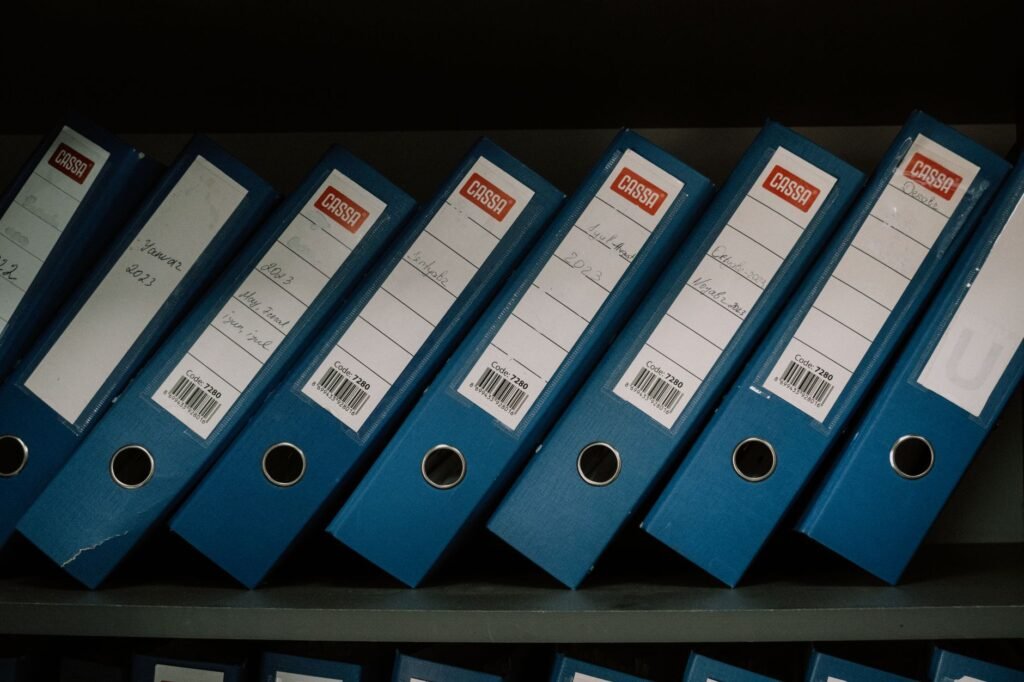
Organizing these claim filing documents methodically can significantly enhance your case. Use a binder or digital folder to keep everything easily accessible.
Gathering Evidence for Injury Claim
Compiling sufficient evidence for your injury claim is vital to support your case. Here are actionable tips to help you gather and organize this evidence:
- Document the Scene: Take photos or videos of the accident scene, including any relevant signage, road conditions, or hazards.
- Collect Contact Information: Gather names and contact details of witnesses and involved parties. Their cooperation can be crucial.
- Keep a Journal: Maintain a personal diary detailing your recovery process, pain levels, and how the injury affects your daily life.
- Consult Professionals: Work with legal professionals who can guide you in collecting the necessary evidence for injury claim and ensure that you have everything needed to support your case.
By focusing on these key components of injury claim documentation, you can establish a robust case that maximizes your chances of a favorable outcome.

How to Organize Your Claim Filing Documents
Creating a Comprehensive File for Your Injury Claim Documentation
When pursuing a personal injury claim, the first step is to gather all necessary claim filing documents. A well-organized file can make the process smoother and more efficient. Start by creating a dedicated folder, either physical or digital, where you can store all your personal injury paperwork. This file should include:
- Medical Records: All documents related to your treatment, including hospital discharge papers and treatment plans.
- Accident Reports: Police reports or incident reports from the scene of the accident.
- Insurance Correspondence: Any communication with insurance companies, including claim forms and notices.
- Evidence for Injury Claim: Photographs, witness statements, and any other pertinent evidence.
- Financial Documentation: Bills related to medical treatment, lost wages, and other expenses incurred due to the injury.
Having these documents in one place will streamline the process and ensure that you don’t overlook any critical information.

Maintaining Accurate Records
Once you have compiled your injury claim documentation, it is crucial to keep your records updated and accurate. Here are some tips:
- Regular Updates: Each time you receive new medical treatment or incur new expenses, add those documents to your file.
- Organized Chronologically: Arrange documents in chronological order to easily track the progression of your case.
- Digital Backup: Consider scanning physical documents and saving them on a cloud service to prevent loss.
By maintaining accurate records, you will be better prepared to present a strong case, ensuring that your claim is processed efficiently. For further details on what to include in your documentation, visit Essential Injury Claim Documentation for Your Case.
Common Mistakes in Injury Claim Documentation
Overlooking Key Evidence
One of the most detrimental mistakes individuals make in their injury claim documentation is overlooking crucial evidence for their injury claim. This can include medical records, eyewitness accounts, photographs of the accident scene, and maintenance logs for defective equipment. Neglecting to gather or submit this evidence can severely weaken your case. For instance, failing to document visible injuries with photographs may lead insurance adjusters to downplay the severity of your injuries, resulting in a lower settlement offer.
To avoid this pitfall, ensure that you compile all relevant documents as soon as possible. Create a checklist of claim filing documents that you need, and follow up consistently to secure additional evidence that may emerge over time. If you’re unsure what constitutes critical evidence, consult with a legal expert to guide you through your personal injury paperwork.
Failing to Keep Records Updated
Another common error is not keeping records updated throughout the claims process. Injuries can evolve, and new medical treatments or evaluations may arise after your initial claim submission. If you fail to provide updated medical records or additional evidence, you risk undermining the credibility of your claim. For example, if your condition worsens and you have not documented these changes, you may miss out on compensation for ongoing treatments.
To mitigate this risk, establish a routine for reviewing and updating your injury claim documentation. Regularly communicate with healthcare providers to obtain the latest records and maintain a well-organized file of all relevant documents. This proactive approach will strengthen your position and help ensure that you receive the compensation you deserve.

Tips for Successful Claim Filing
Working with Legal Professionals
Collaboration with legal professionals is crucial when navigating the complexities of injury claim documentation. An experienced attorney can help you understand the necessary personal injury paperwork and ensure that all documentation is accurate and complete. They can guide you in gathering evidence for your injury claim, which may include medical records, accident reports, and witness statements. Having a lawyer on your side not only streamlines the process but also increases your chances of receiving a fair settlement.
When working with your attorney, maintain open communication. Provide them with all relevant details about your case, and ask questions whenever necessary. This will help them build a stronger case on your behalf and ensure that all claim filing documents are submitted correctly and on time. Consider scheduling regular check-ins to stay informed about the progress of your claim.
Understanding the Claims Process and Injury Claim Documentation
Understanding the claims process is essential for successful claim filing. Typically, the process begins with your attorney gathering all necessary documentation, including medical records, police reports, and any other relevant evidence. This is where your injury claim documentation comes into play, as having comprehensive and organized paperwork can greatly impact the outcome of your case.
Once your documentation is prepared, your attorney will file your claim with the insurance company. They will then negotiate on your behalf, presenting the evidence for your injury claim to secure a fair settlement. Be prepared for possible delays, as the review and negotiation stages can take time. Stay proactive by keeping your attorney updated on any changes in your condition or new evidence that may arise.
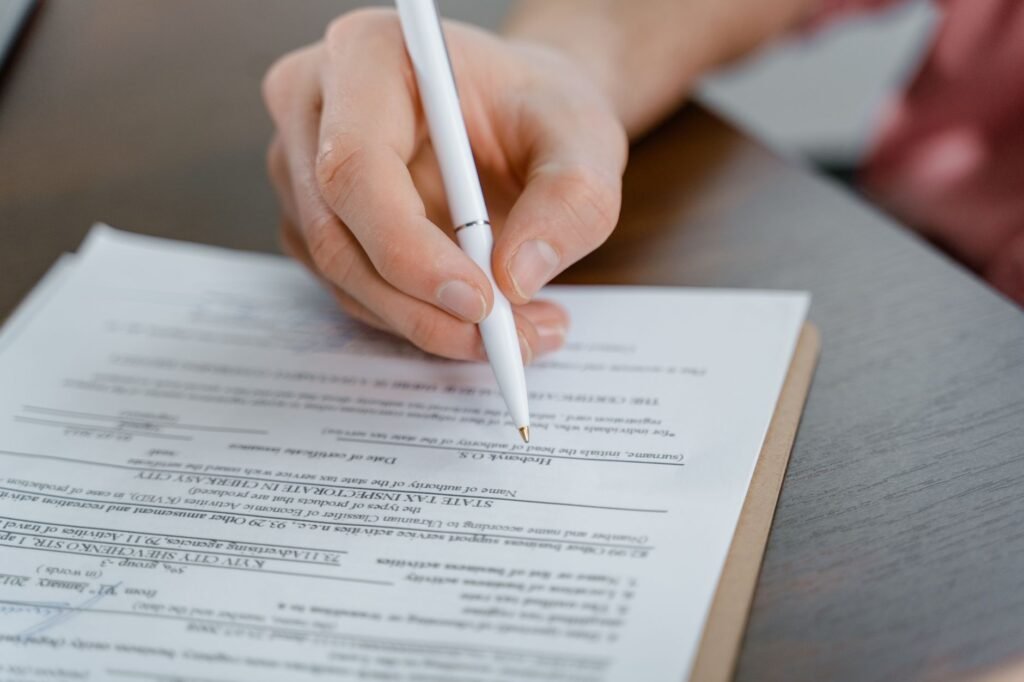
By understanding the claims process and working closely with legal professionals, you can enhance the effectiveness of your personal injury paperwork. This proactive approach will help ensure that your claim is handled efficiently and effectively, maximizing your chances of a successful resolution.
Conclusion: The Importance of Proper Injury Claim Documentation
Having well-organized and thorough injury claim documentation is crucial for the success of any personal injury case. Throughout this article, we have highlighted the essential elements of documentation, including medical records, accident reports, and witness statements, all of which serve as vital evidence for injury claim processing. Proper documentation not only supports your case but also streamlines the claim filing process, ensuring that you meet all necessary legal requirements.
Effective personal injury paperwork can significantly impact the outcome of your claim. Each piece of documentation acts like a building block, contributing to a solid foundation for your case. When filing a claim, it is important to gather and maintain all relevant claim filing documents in an organized manner. This will not only help your attorney present a compelling case but also facilitate a smoother negotiation with insurance companies.
Ultimately, neglecting the importance of injury claim documentation can lead to delays, reduced compensation, or even the rejection of your claim. Therefore, taking the time to ensure that your documentation is complete and accurate is an investment in your future. By being proactive and diligent in gathering your evidence, you increase your chances of a successful outcome. How to Gather Evidence for Your Injury Claim

Gathering comprehensive injury claim documentation is essential for a successful outcome in your case. Properly organized personal injury paperwork not only strengthens your claim but also helps establish the validity of your evidence for injury claim. Whether it is medical records, police reports, or witness statements, each piece of documentation plays a crucial role in the claims process. By ensuring that you have all necessary claim filing documents, you position yourself for a more favorable resolution.
Take the time to compile and review your documentation meticulously, as this can make a significant difference in your case’s success. If you are unsure about the types of personal injury paperwork required or how to organize your evidence for injury claim effectively, consider consulting with a legal professional. They can guide you through the complexities of injury claim documentation and help you prepare for the next steps in your journey toward obtaining fair compensation.
“`html
What documents do I need for an injury claim?
To file an injury claim, you typically need to gather a variety of documents. Essential items include medical records documenting your injuries, bills for medical treatment, police reports if applicable, and any photographs of the accident scene. Additionally, gather any correspondence with insurance companies and witness statements. This complete set of documentation is crucial for supporting your claim and demonstrating the extent of your injuries and losses.
How do I gather evidence for my injury claim?
Gathering evidence for your injury claim involves several steps. Start by documenting the accident scene with photographs and taking notes of any details, such as dates, times, and locations. Collect witness contact information and obtain copies of relevant police reports. Additionally, keep all medical records and treatment bills, as these will serve as vital evidence for your injury claim. Organizing this evidence will strengthen your case significantly.
What is the importance of personal injury paperwork?
Personal injury paperwork is critical because it serves as the foundation of your injury claim documentation. This paperwork includes medical records, accident reports, and any correspondence with insurance companies. It helps establish the legitimacy of your claim, proving the extent of your injuries and losses. Properly completed paperwork ensures that you have the necessary evidence to support your case and can significantly impact the outcome of your claim.
How can I organize my claim filing documents?
Organizing your claim filing documents is essential for a smooth claims process. Start by creating a dedicated folder or binder for all relevant documents. Use labeled sections for medical records, accident reports, correspondence, and witness statements. Consider using digital tools or apps for easy access and backup. This organization not only helps you stay on top of your claim but also ensures you provide all necessary information to your attorney or insurance adjuster when needed.
What are common mistakes in injury claim documentation?
Common mistakes in injury claim documentation include failing to gather all necessary evidence, not keeping copies of important documents, and missing deadlines for submitting paperwork. Additionally, some individuals may provide incomplete or inaccurate information, which can harm their claims. It’s important to review all documentation carefully and ensure you have all supporting evidence for your case to avoid these pitfalls and strengthen your claim.
Should I hire a lawyer for my injury claim?
Hiring a lawyer for your injury claim can be highly beneficial, especially if your case is complex or involves significant damages. An experienced attorney can help you navigate the legal process, ensure all documentation is properly completed, and advocate for your rights. They can also negotiate with insurance companies on your behalf, increasing the likelihood of a favorable settlement. Ultimately, having legal representation can alleviate stress and improve your chances of a successful claim.
“`