
Understanding injury claim settlement time is crucial for anyone navigating the complexities of a personal injury case. The timeline for settling an injury claim can vary significantly based on numerous factors, including the specifics of the personal injury process and the extent of the injuries involved. This article will delve into the intricacies of the claim timeline, providing insights into what you can expect regarding settlement duration. We will explore how to expedite your injury claim settlement and discuss the average timeframe for settlements, helping you better understand what to anticipate as you move forward with your claim. By familiarizing yourself with these elements, you can make informed decisions and manage your expectations effectively. For more information on personal injury claims, consider visiting Nolo or American Bar Association for additional guidance. Let’s dive into the details of injury claim settlement time and how it affects your case.
Understanding Injury Claim Settlement Time
Navigating the injury claim settlement time can be a daunting process, as it often involves various complexities and uncertainties. Each case is unique, and multiple factors can influence how long it takes to settle a claim. Understanding these elements can help you set realistic expectations and prepare for the personal injury process.
Factors Influencing Settlement Duration
The duration of an injury claim settlement can vary widely based on several key factors:
- Severity of Injury: More severe injuries typically require longer recovery times, which may delay settlement until medical treatment is complete.
- Liability Issues: If there is a dispute over who is at fault, this can prolong negotiations and complicate the settlement process.
- Evidence Gathering: Thorough documentation, including medical records and accident reports, is crucial. Collecting all necessary evidence can take time and may impact the overall timeline.
- Negotiation Tactics: The willingness of both parties to negotiate and reach a fair settlement can significantly affect the duration.
Typical Claim Timeline Overview: Understanding Injury Claim Settlement Time
A typical claim timeline generally follows these stages:
- Filing the Claim: Once your injury is documented, you can file your claim with the insurance company.
- Investigation: The insurer will conduct an investigation to assess liability and damages.
- Negotiation: After reviewing the evidence, both parties will enter negotiations to settle the claim.
- Settlement or Lawsuit: If an agreement is reached, the claim is settled. If not, a lawsuit may be filed, extending the timeline significantly.
While every case is different, understanding the typical claim timeline can help you better anticipate the injury claim settlement time you might expect. For more detailed guidance on navigating your injury claim, consider consulting with a legal professional experienced in personal injury cases. how long to settle an injury claim

The Personal Injury Process and Its Impact on Settlement Time
Navigating the personal injury process is crucial to understanding how it affects the injury claim settlement time. Each stage of this process can either expedite or prolong the timeline to resolution. Here, we will break down the stages and discuss common delays that could arise.
Stages of the Personal Injury Process
The personal injury process typically consists of several key stages:
- Investigation: Following an accident, thorough investigation is essential. This includes gathering evidence, obtaining medical records, and assessing damages. The complexity of this stage can impact the claim timeline, as delays in receiving documents can stall progress.
- Negotiation: Once the investigation is complete, negotiations with the insurance company begin. This phase often involves back-and-forth discussions regarding compensation. Lengthy negotiations may extend the settlement duration, particularly if both parties have differing views on the claim’s value.
- Litigation (if necessary): If negotiations fail, the case may proceed to litigation. This involves filing a lawsuit and can significantly increase the injury claim settlement time, as court schedules can be unpredictable and lengthy.
Common Delays in the Claim Timeline
While each stage is critical, certain factors can introduce delays:
- Waiting for Medical Records: Delays in obtaining medical documentation can slow down the entire process, as these records are vital for substantiating your claim.
- Lengthy Negotiations: If the insurance company disputes your claim or offers a low settlement, negotiations can drag on, affecting the time it takes to reach a resolution.
- Expert Testimonies: In some cases, expert opinions may be required to support your claim. Securing these testimonies can add time to the process.
Understanding these stages and potential delays can help you better anticipate the injury claim settlement time. Being proactive and prepared can minimize setbacks and lead to a more efficient resolution.

How to Expedite Your Injury Claim Settlement Time
Best Practices for a Smooth Process
To navigate the injury claim settlement time effectively, adhering to best practices can dramatically shorten your settlement duration. Here are key actions to consider:
- Thorough Documentation: Keep detailed records of all medical treatments, expenses, and communications related to your injury. This includes photographs of injuries, medical bills, and insurance correspondence. Well-organized documentation supports your claim and enhances its credibility.
- Timely Communication: Engage with your insurance adjuster and any involved parties promptly. Delays in communication can prolong the claim timeline. Aim to respond to queries and requests for information as soon as possible.
- Be Prepared for Negotiation: Understand the value of your claim and be ready to negotiate. Having a clear idea of your needs and the evidence to support them can lead to a quicker resolution.

When to Consider Legal Assistance for Your Injury Claim Settlement Time
While many people manage their claims independently, there are situations where hiring a personal injury attorney can streamline the personal injury process. If your case involves:
- Complex medical issues that require expert testimony,
- Severe injuries leading to long-term disability,
- Disputes over liability or compensation amounts,
- Insurance companies that are uncooperative or deny your claim,
In these scenarios, an attorney can help expedite your claim by navigating legal complexities, advocating on your behalf, and ensuring that all aspects of your claim are handled efficiently. Their expertise may significantly reduce your overall settlement duration and lead to a more favorable outcome.
By following these best practices and knowing when to seek professional help, you can enhance your chances of a timely and satisfactory resolution in your injury claim settlement.
settlement time for injury claimsThe Average Timeframe for Settlement
National Averages and Variability in Injury Claim Settlement Time
Understanding the average time it takes to settle an injury claim is essential for anyone navigating the personal injury process. Nationally, studies suggest that the average injury claim settlement time typically ranges from 6 months to 2 years. According to the Nolo website, simple claims may resolve within a few months, while more complex cases can take much longer due to negotiations and necessary investigations.
Factors influencing this variability include the complexity of the case, the extent of injuries, and the willingness of insurance companies to negotiate. Additionally, claims involving substantial medical records or multiple parties can significantly lengthen the settlement duration.
State-by-State Differences in Settlement Duration
Settlement duration can also vary significantly from state to state, influenced by local laws and practices. For instance, Insurance Information Institute reports that states with stricter liability laws may see longer claim timelines due to rigorous legal requirements. Conversely, states with more lenient regulations may facilitate quicker resolutions.
For example, states like California and Texas often experience longer settlement times due to higher rates of litigation and complex insurance laws. In contrast, states such as Florida may see faster settlements owing to a more streamlined process. It is crucial to understand these regional differences when assessing your potential injury claim settlement time.
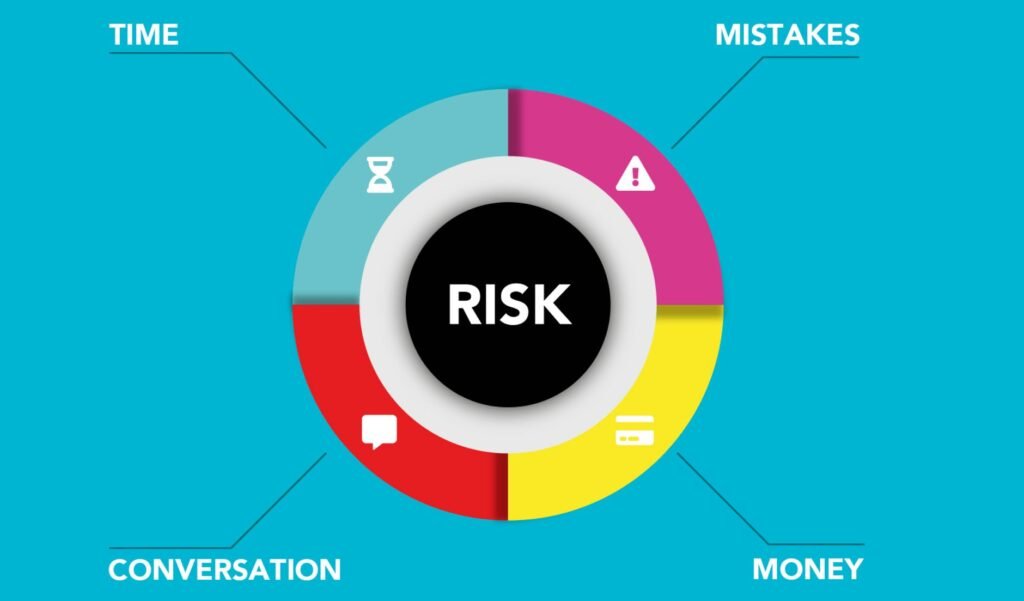
When pursuing a claim, maintain realistic expectations regarding the timeline. Engaging with a knowledgeable attorney familiar with your state’s laws can provide valuable insights into your specific situation and help you navigate the intricacies of the claim process. This understanding is vital to ensure that you are adequately prepared for the journey ahead and can advocate effectively for your rights.
Conclusion: Navigating Your Injury Claim Settlement Time
Understanding the injury claim settlement time is crucial for victims seeking compensation for their injuries. The duration of a settlement can vary significantly based on numerous factors, including the complexity of the case, the extent of injuries, and the willingness of the parties to negotiate. Being aware of this claim timeline can empower you to navigate the personal injury process more effectively.
Throughout your claim, it is essential to stay informed and proactive. Knowledge about how long a settlement typically takes can prevent frustration and anxiety during the waiting period. According to studies, personal injury claims can take anywhere from a few months to several years to resolve, depending on the circumstances. Factors such as gathering evidence, medical evaluations, and negotiations with insurance companies all contribute to the overall settlement duration.
To enhance your chances of a favorable outcome, consider the following actionable takeaways:
- Document Everything: Keep thorough records of medical treatments, expenses, and any communication with insurance representatives.
- Consult with Professionals: Seek advice from personal injury attorneys who can guide you through the complexities of your claim.
- Be Patient but Prepared: Understand that delays can happen, and being prepared can help you respond effectively.
While navigating your injury claim settlement time, remember that each case is unique. By remaining engaged in the process and understanding the factors at play, you can better manage your expectations and work towards achieving a fair settlement for your injuries. Stay proactive, and don’t hesitate to reach out for legal assistance when needed.

Understanding the injury claim settlement time is crucial for anyone navigating the personal injury process. The duration of the settlement can vary significantly based on the complexity of the case, the extent of the injuries, and the willingness of the parties to negotiate. Having a clear claim timeline helps you set realistic expectations while working towards a fair settlement. Being informed can bolster your confidence and assist in making more strategic decisions throughout the process.
If you’re considering filing a claim, consulting a legal professional experienced in personal injury can provide valuable insights into the expected settlement duration for your specific situation. They can help you navigate the intricacies of the claim timeline and develop a strategic approach to achieve the best possible outcome. Take that first step and seek out expert advice to ensure your interests are well represented.
“`html
What is the average injury claim settlement time?
The average injury claim settlement time can vary widely, typically ranging from several months to a few years. Most claims are settled within 6 to 18 months, depending on the complexity of the case and the willingness of the parties to negotiate. Factors such as medical treatment duration, negotiations with insurance companies, and any legal proceedings can impact this timeline. It is essential to stay patient and informed throughout the process.
How long does it take for an insurance company to settle a claim?
The time it takes for an insurance company to settle a claim can vary significantly, generally ranging from a few weeks to several months. After you submit your claim, the insurer typically conducts an investigation, which can take time, especially if there are disputes or additional information is required. Clear documentation and timely communication can help expedite the process, but factors such as the complexity of the case often dictate the settlement timeline.
What factors influence the settlement duration for injury claims?
Can I speed up my injury claim settlement?
Yes, there are steps you can take to potentially speed up your injury claim settlement. Providing thorough and accurate documentation from the start can help insurance companies process your claim more quickly. Additionally, being proactive in communication, responding promptly to requests for information, and considering mediation can facilitate a faster resolution. However, it is crucial not to rush the process at the expense of a fair settlement.
What should I do if my claim is taking too long?
If your claim is taking longer than expected, the first step is to contact your insurance adjuster to inquire about the status. Ask if there are any outstanding documents or issues causing the delay. If necessary, consider consulting a personal injury attorney who can provide guidance and advocate for your rights. Keeping detailed records of all communications can also be beneficial in resolving any issues that arise.
Are there deadlines I need to be aware of in the claim timeline?
Yes, there are several deadlines you need to be aware of in the claim timeline. Each state has specific statutes of limitations that dictate how long you have to file an injury claim, often ranging from one to three years. Additionally, insurance policies may have deadlines for submitting claims or providing information. It is crucial to be aware of these timelines to ensure you do not miss any critical deadlines that could affect your claim.
“`