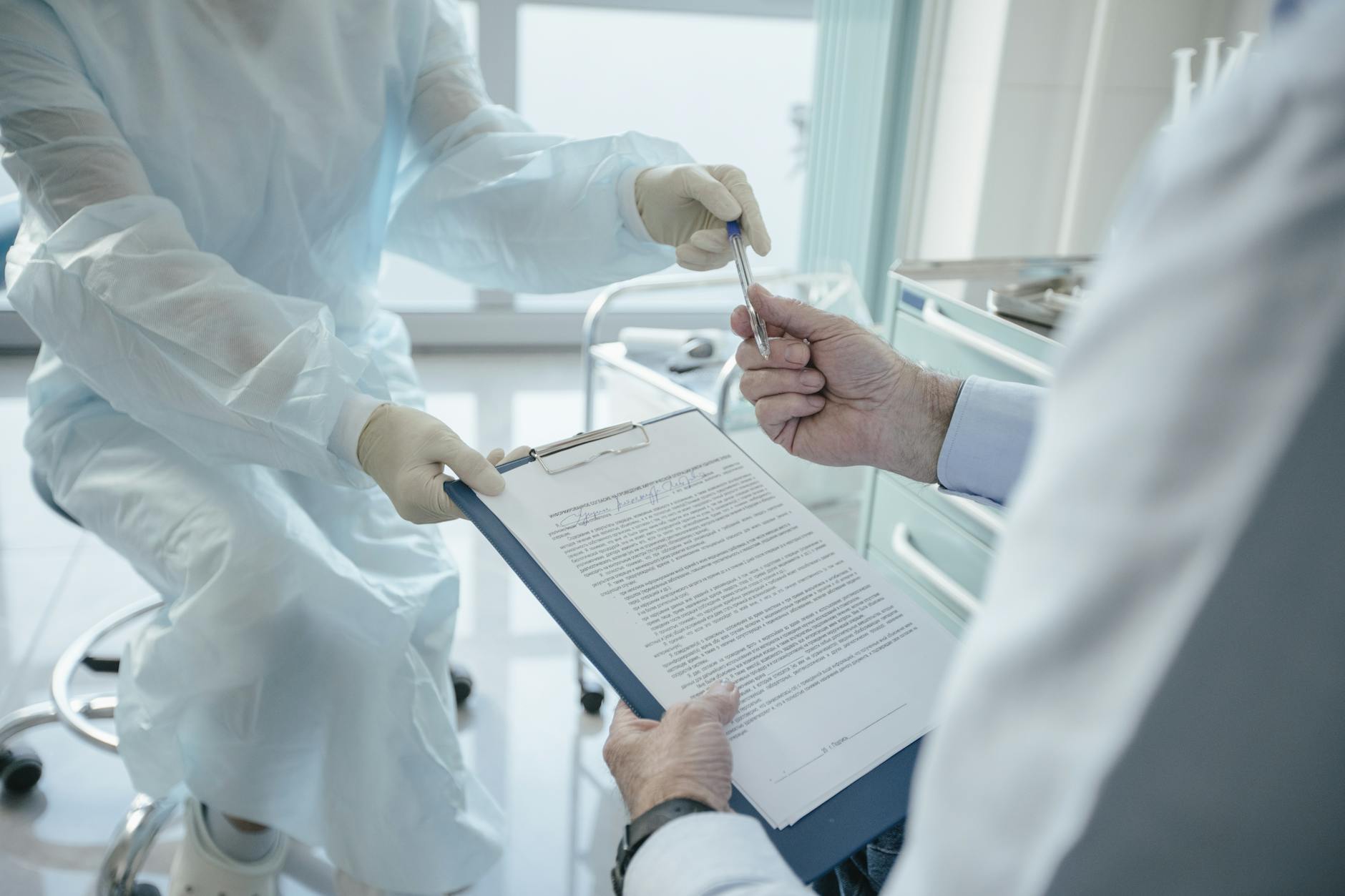
The role of medical documentation in injury claims is crucial for ensuring fair compensation for those affected by accidents or negligence. Accurate and comprehensive medical documentation injury claims serve as the backbone of a successful claim process, offering essential evidence of injuries, treatments, and expenses incurred. This article delves into the significance of medical records, which provide a detailed account of an individual’s health status and treatment history, and examines how medical bills in claims calculations can impact the final settlement. We will also discuss best practices for injury claim documentation, highlighting common mistakes that can jeopardize a claim’s validity. By understanding the intricacies of medical documentation, claimants can better navigate the complexities of the claims process and maximize their compensation potential. For further insights on this topic, refer to resources like the Nolo legal guide and the American Bar Association.
Understanding Medical Documentation in Injury Claims
What is Medical Documentation?
Medical documentation refers to the comprehensive records generated during a patient’s medical care. This includes medical records, diagnostic reports, treatment plans, and medical bills in claims. Each component serves a specific purpose in detailing the patient’s condition, treatment history, and recovery process. Key elements of medical documentation include:
- Patient History: A summary of past illnesses, surgeries, and treatments.
- Examination Notes: Observations made by healthcare professionals during patient visits.
- Diagnostic Imaging: Results from X-rays, MRIs, and CT scans.
- Treatment Plans: Detailed outlines of prescribed therapies and medications.
- Medical Bills: Itemized statements of services rendered, which are crucial for financial claims.
Why is Medical Documentation Crucial for Injury Claims?
The importance of medical records cannot be overstated when it comes to substantiating injury claims. Proper medical documentation injury claims provide tangible evidence of the injury, treatment received, and its impact on the claimant’s life. Insurers rely heavily on this documentation to assess the validity and extent of claims. Inadequate or poorly organized documentation can lead to delays in processing or even outright denials of claims.
Furthermore, consistent and thorough injury claim documentation can significantly influence claim outcomes. For instance, clear records of medical visits and treatment plans can demonstrate the necessity of care, which strengthens the case for compensation. By ensuring that all medical documentation is accurate and complete, claimants can enhance their chances of receiving fair settlements.
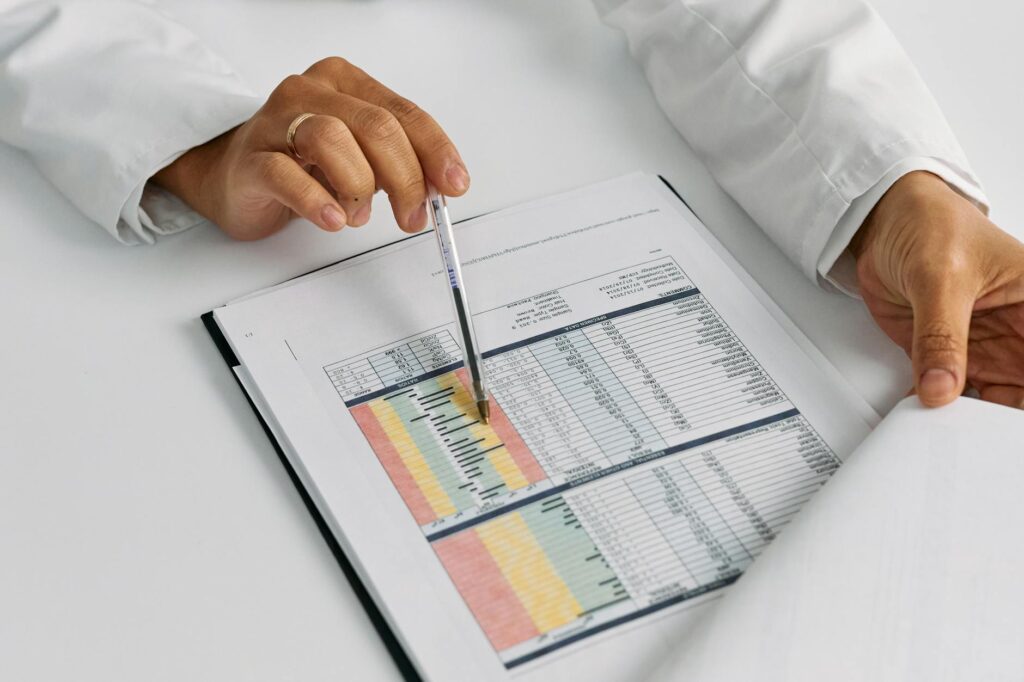
The Importance of Medical Records in Injury Claims
When pursuing injury claims, the role of medical documentation cannot be overstated. Accurate and comprehensive medical records are crucial in substantiating your case and determining the compensation you may be entitled to. These documents not only provide evidence of your injuries but also play a significant role in negotiating medical bills in claims and establishing the overall impact of the injury on your life.
Types of Medical Records Required for Claims
To effectively support your injury claim, several types of medical records should be gathered:
- Diagnosis Reports: These outline the nature of your injuries and any underlying conditions.
- Treatment Notes: Detailed accounts of your medical visits, including tests performed and treatments administered.
- Medical Bills: Itemized statements that detail the costs incurred for treatments, therapies, and medications.
- Prescriptions: Documents that show the medications prescribed and their relevance to your treatment.
- Progress Reports: Updates from healthcare providers regarding your recovery and any ongoing issues.
These records serve as essential injury claim documentation that can validate your claims during negotiations and in court. They are instrumental in calculating the total medical bills in claims, ensuring that you receive fair compensation for your medical expenses and pain and suffering.
How Medical Documentation Supports Your Case in Medical Documentation Injury Claims
Medical documentation is the backbone of your injury claim. It not only establishes the extent of your injuries but also provides a timeline of your treatment, which is vital for illustrating the severity and duration of your suffering. Strong medical records can significantly influence the outcome of your negotiations, providing the necessary proof to back your claims for compensation.

thorough medical documentation is essential for a successful injury claim. By ensuring that you have all necessary medical records, you enhance your chances of receiving the compensation you deserve. For further insights into how to maximize your injury claim, consider The Role of Medical Records in Injury Claims.
The Role of Medical Bills in Claims Calculations
Understanding Medical Bills and Their Relevance
When pursuing medical documentation injury claims, one of the key elements to consider is the role of medical bills. These bills represent the costs incurred for treatments, medications, and consultations related to your injury. They are not merely financial documents; they serve as critical evidence in substantiating the extent and severity of your injuries. The importance of medical records cannot be overstated, as they help establish a direct connection between the incident and the medical expenses incurred.
Insurance companies often rely on these bills to assess the validity of your claim and determine the compensation amount. If your medical bills are thorough and well-documented, they can significantly enhance your claim’s credibility, making it more likely to be approved. Conversely, missing or poorly organized medical bills can lead to delays or even denials of your claim.
How to Accurately Present Medical Bills in Claims
To effectively present medical bills in your injury claim documentation, organization is key. Here are some actionable steps you can take:
- Collect All Relevant Bills: Gather all medical bills related to your injury, including hospital visits, doctor consultations, physical therapy, and medication.
- Organize by Date: Arrange the bills chronologically to provide a clear timeline of your treatment, which can help illustrate the progression of your injury.
- Include Supporting Documentation: Attach any relevant medical records that detail your diagnosis and treatment plans. This will strengthen your claim by providing context for the expenses.
- Summarize Expenses: Create a summary sheet that outlines the total costs and categorizes them (e.g., emergency care, ongoing treatment), making it easier for adjusters to review.
By ensuring that your medical bills are comprehensive and well-organized, you can significantly enhance your chances of a favorable outcome in your injury claim. For further insights on managing medical documentation injury claims, consider exploring additional resources that detail best practices for compiling your documentation effectively. Importance of Documentation for Injury Claims

Best Practices for Injury Claim Documentation
Gathering Relevant Medical Documentation for Injury Claims
When pursuing medical documentation injury claims, collecting relevant medical records is essential. Start by obtaining all medical records related to your injury, including:
- Initial diagnosis and treatment notes
- Follow-up care and rehabilitation records
- Prescriptions and any referrals to specialists
- Medical imaging results, such as X-rays or MRIs
- Medical bills in claims, detailing all expenses incurred
Request these documents from your healthcare providers promptly. The importance of medical records cannot be overstated, as they substantiate the severity and nature of your injury, supporting your claim effectively. Ensure to follow up regularly to avoid delays.
Organizing Your Injury Claim Documentation
Once you have gathered all necessary documentation, organizing it is vital for a smooth claims process. Use a systematic approach:
- Create a dedicated folder, either physical or digital, for all documents related to your injury claim.
- Label each document clearly, noting the date and type of record.
- Maintain a timeline of events, correlating medical visits with treatments and expenses.
- Keep copies of all correspondence with insurance companies and healthcare providers.
Timely and comprehensive documentation is crucial. By maintaining organized injury claim documentation, you enhance your ability to present a strong case, ensuring all relevant information is readily available when needed. This proactive approach can significantly influence the outcome of your claim.

Common Mistakes in Medical Documentation for Injury Claims
What to Avoid When Documenting Your Injury
Accurate medical documentation is crucial for injury claims, yet many individuals make common mistakes that can jeopardize their case. One frequent pitfall is failing to provide detailed accounts of symptoms and treatments. Vague descriptions can lead to ambiguity in understanding the extent of injuries, weakening the claim. Additionally, neglecting to keep records of all medical bills in claims can result in financial losses that might have been recoverable.
Another common error is not obtaining timely medical evaluations. Delays in seeking treatment can be interpreted as evidence that the injury is not severe, diminishing the credibility of the claim. Furthermore, inconsistent documentation across various healthcare providers can create conflicting narratives, complicating the claims process.
How to Ensure Your Medical Documentation is Effective for Injury Claims
To avoid these mistakes, it’s essential to maintain comprehensive and consistent documentation. Keep a detailed account of all medical visits, including dates, diagnoses, and treatments. Document the importance of medical records not only for your claim but also for your health. Always request copies of your medical records and bills promptly, ensuring you have a complete history for your claim.
Additionally, maintaining open communication with your healthcare providers can help streamline injury claim documentation. Ensure they understand the context of your injury and its impact on your daily life. This collaborative approach will result in more effective documentation, supporting your claim.
Finally, consult with legal professionals who specialize in injury claims to ensure your documentation meets all necessary standards. Their expertise can help you navigate the complexities of medical documentation injury claims effectively, maximizing your chances of a successful outcome.
For further assistance, consider reviewing resources on The Importance of Documentation for Injury Claim Success and the process for The Accuracy of Injury Claim Calculator: A Deep Dive.
Conclusion: Maximizing Your Injury Claim with Proper Medical Documentation
Thorough medical documentation plays a pivotal role in successfully navigating injury claims. As discussed, the importance of medical records cannot be overstated. They serve as the foundation for establishing the extent of injuries, the necessary treatments, and the associated costs, all of which are critical in determining compensation amounts. Without comprehensive medical records, it becomes significantly more challenging to substantiate your claims, potentially resulting in reduced settlements or denial altogether.
When preparing your medical documentation for injury claims, ensure that all relevant medical bills in claims are meticulously compiled. This includes treatment records, prescriptions, and any diagnostic tests that were performed. Each piece of documentation contributes to a clearer picture of the impact the injury has had on your life, both financially and personally.
Effective Medical Documentation for Injury Claims
To maximize your injury claim, focus on gathering complete injury claim documentation. This includes timely notes from healthcare providers, ongoing treatment plans, and any changes in your physical condition. Additionally, consider maintaining a personal injury journal to document daily challenges and limitations you face due to your injuries. This personal insight can complement the clinical data and further strengthen your case.
By paying close attention to the details of your medical documentation injury claims, you increase your chances of receiving fair compensation for your injuries. Investing time in this process now can lead to significant benefits in the future.
Understanding the role of medical documentation in injury claims is essential for anyone pursuing compensation after an accident. The importance of medical records cannot be overstated, as they provide a comprehensive account of the injuries sustained, treatment received, and the overall impact on the victim’s life. Accurate and timely injury claim documentation can significantly influence the outcome of a claim, ensuring that all aspects of the injury are adequately represented.
As you navigate the complexities of your injury claim, prioritize gathering and organizing your medical bills in claims, as they serve as critical evidence of expenses incurred due to your injuries. By maintaining thorough medical documentation, you can bolster your case and improve your chances of receiving fair compensation. Take the next step by consulting with a legal professional who specializes in injury claims to better understand how to utilize your medical documentation effectively.
“`html
What types of medical documentation do I need for an injury claim?
For an injury claim, you typically need medical records, treatment notes, diagnostic imaging results, and medical bills. These documents demonstrate the nature and extent of your injuries, the treatments you received, and the costs incurred. Additionally, any correspondence with healthcare providers relating to your condition can be vital. Collecting comprehensive medical documentation is crucial to support your claim effectively.
How do medical records impact my injury claim?
Medical records play a critical role in injury claims as they provide evidence of the injuries sustained and the treatments received. Insurers rely on these records to assess the validity of your claim and determine compensation amounts. Accurate records help establish a direct connection between the incident and your medical condition, reinforcing your case and potentially expediting the claims process.
What role do medical bills play in injury claims?
Medical bills are essential in injury claims as they quantify the financial impact of your injuries. They provide proof of the costs incurred for treatment, including hospital visits, surgeries, medications, and rehabilitation. Insurers will review these bills to determine the compensation you deserve. Accurate and organized medical bills can significantly influence the outcome of your injury claim.
How can I organize my injury claim documentation effectively?
To organize your injury claim documentation effectively, create a dedicated file or binder for all related materials. Include sections for medical records, bills, correspondence, and witness statements. Maintain a chronological order, and label each document clearly. This organization will not only help you keep track of your claim but will also make it easier to present your case to insurers or attorneys.
What common mistakes should I avoid in medical documentation?
Avoid common mistakes such as incomplete or inaccurate records, which can undermine your injury claim. Ensure that all dates, diagnoses, and treatments are correctly documented. Refrain from omitting any relevant information or failing to obtain necessary records from healthcare providers. Inconsistencies can lead to disputes with insurers and negatively impact your claim. Always double-check for clarity and completeness.
Why is accurate medical documentation crucial for injury claims?
Accurate medical documentation is crucial for injury claims because it serves as the foundation of your case. It validates your injuries, treatment history, and the expenses incurred, making it harder for insurers to dispute your claim. Proper documentation can expedite the claims process, ensuring you receive fair compensation for your injuries. Without well-documented evidence, your claim may face unnecessary delays or denials.
“`