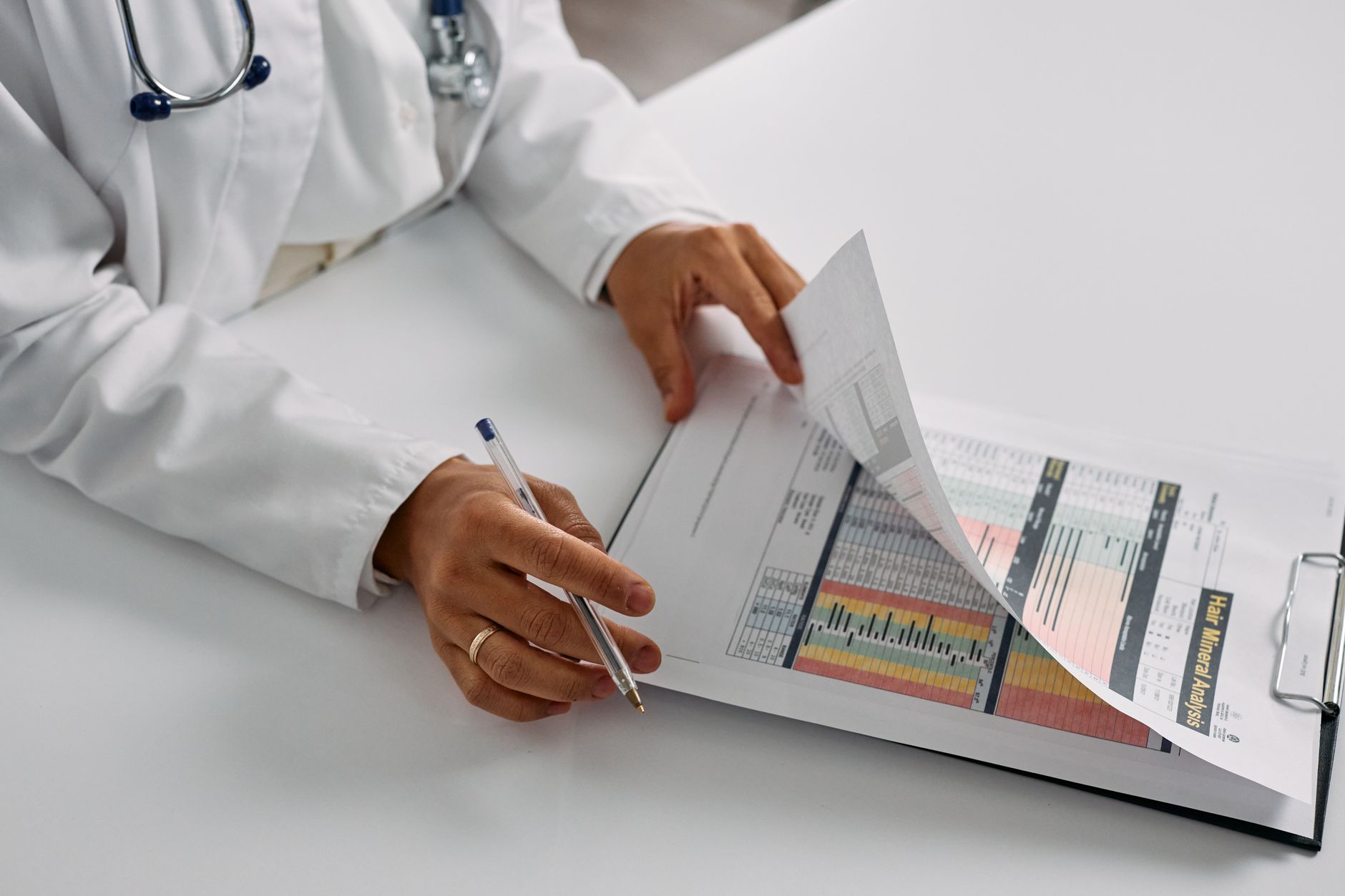
The role of a medical report injury claim is pivotal in determining the outcome of your settlement. Medical reports provide essential injury documentation that not only outlines your medical condition but also establishes a direct link between your injuries and the incident in question. These reports significantly influence the claim value increase by presenting a detailed account of your diagnosis, treatment, and prognosis. Understanding how to effectively navigate the claims process with these reports can make a substantial difference in the compensation you receive. This article will explore the critical aspects of medical reports in injury claims, including their impact on claim value, strategies for utilizing them effectively, and common pitfalls to avoid during the reporting process. By leveraging the insights provided here, you can maximize your settlement potential and ensure that your medical documentation supports your claim effectively. For further reading on the importance of medical documentation in legal contexts, visit Nolo and American Bar Association.
The Role of Medical Reports in Injury Claims
Understanding Medical Reports in Your Injury Claim
Medical reports serve as crucial legal documents in the context of an injury claim. They provide detailed accounts of the injuries sustained, treatment received, and the prognosis moving forward. When filing a claim, the accuracy and completeness of these reports can significantly impact the outcome. Insurance companies and legal representatives rely on these documents to evaluate the legitimacy and severity of the claims submitted. A well-structured medical report not only outlines the extent of injuries but also offers insights into the necessary medical treatments, thereby informing the settlement process.
Importance of Accurate Injury Documentation
Accurate injury documentation is vital for substantiating claims and plays a significant role in influencing the claim value increase. Inconsistent or vague medical reports can lead to disputes over the legitimacy of the injury, potentially diminishing the claim’s value. Documentation that includes detailed descriptions of symptoms, treatment plans, and follow-up care enhances the credibility of the injury claim. Moreover, it can serve as compelling evidence in negotiations with insurance adjusters or during litigation. As such, obtaining a comprehensive medical report is essential for anyone seeking compensation for injuries incurred due to another party’s negligence.

When managing an injury claim, it is advisable to work closely with healthcare providers to ensure that all relevant details are captured in the medical report. This proactive approach not only aids in the accuracy of the report but can also expedite the claims process. For more information on the intricacies of medical documentation, refer to The Role of Medical Documentation in Injury Claims.
How Medical Reports Impact Claim Value
Factors That Affect Settlement Values
When pursuing an injury claim, the value of your settlement is significantly influenced by the quality and detail of your medical reports. These reports serve as the backbone of your case, providing essential evidence of the injuries sustained and the treatment received. Key components that can affect the settlement value include:
- Diagnosis: A clear, accurate diagnosis from a qualified medical professional establishes the severity of your injuries. For example, conditions like traumatic brain injuries or spinal cord injuries typically warrant higher compensation due to their long-term implications.
- Treatment History: Detailed documentation of treatments, including surgeries, physical therapy, and medications, helps illustrate the extent of care needed. This level of injury documentation can justify a claim value increase.
- Prognosis: A thorough prognosis outlining potential long-term effects or disabilities can significantly elevate your claim’s value. Insurers often take such forecasts into serious consideration when determining compensation.
Using Medical Reports to Increase Your Claim: The Medical Report Injury Claim Advantage
To maximize the impact of your medical report on your injury claim, ensure it includes comprehensive details. For instance, if you’ve undergone extensive rehabilitation for a severe injury, having a well-documented medical report that outlines the costs, duration, and impact on daily life can lead to substantial claim value increases. Furthermore, reports that quantify pain and suffering, such as those detailing mental health evaluations post-injury, can enhance your negotiating power.
Working closely with your healthcare providers to obtain articulate and thorough medical reports is crucial. These documents not only substantiate your claims but also provide insurers with the necessary information to evaluate your case fairly. In many instances, a well-prepared medical report injury claim can be the difference between a low offer and a settlement that adequately reflects your injuries and suffering.

your medical reports are pivotal in shaping the outcome of your injury claim. By ensuring that these reports are detailed and comprehensive, you enhance your chances of receiving the compensation you deserve.
Navigating the Claims Process with Medical Reports
Collecting Essential Medical Documentation
When pursuing a medical report injury claim, having comprehensive medical documentation is crucial to substantiate your case. Begin by gathering all relevant medical records, including:
- Initial medical evaluations – Document the first visit after your injury where a healthcare provider assessed your condition.
- Treatment records – Collect all notes from subsequent visits, including medications prescribed, therapies undertaken, and any referrals made.
- Diagnostic tests – Ensure to obtain results from X-rays, MRIs, or CT scans that support your injury diagnosis.
- Follow-up reports – Include documentation of your recovery process and ongoing treatment needs.
Organize these documents chronologically to present a clear timeline of your medical journey. This comprehensive injury documentation can significantly enhance the strength of your claim and contribute to a potential claim value increase.
Working with Medical Professionals for Your Medical Report Injury Claim
Effective communication with your healthcare providers is essential for obtaining thorough and accurate medical reports. Here are actionable steps to ensure clarity:
- Be proactive – Clearly express your need for detailed reports that outline your injuries and treatments. This can help your provider understand the importance of thorough documentation.
- Request specifics – Ask your doctor to include information about how your injury impacts daily activities and any long-term implications.
- Follow up – After your visits, check in with your providers to confirm that they are completing and submitting reports promptly.
By taking these steps, you can ensure that your medical report injury claim is backed by robust documentation that effectively communicates the full extent of your injuries. For additional guidance on maximizing your claim, consider resources available through The Role of Medical Records in Injury Claims.

Common Mistakes to Avoid in Medical Reporting
Accurate medical reporting plays a crucial role in the success of your injury claim. However, several common mistakes can jeopardize your case. Understanding these pitfalls can help ensure your medical report injury claim is as effective as possible.
Incomplete or Inaccurate Reporting
One of the most significant mistakes in medical reporting is providing incomplete or inaccurate information. Inconsistencies in injury documentation can lead to skepticism from insurance adjusters or opposing legal teams. For example, if a medical report fails to detail the nature and extent of your injuries, it may result in a lower claim value increase or even denial of your claim.
To avoid this mistake, ensure that all medical records are comprehensive and accurately reflect your condition. This includes:
- Detailed descriptions of injuries
- Results of diagnostic tests
- Recommended treatment plans
Always verify that your healthcare provider has documented all relevant information, including any prior medical history that may affect your recovery.
Ignoring Follow-up Treatments in Your Medical Report Injury Claim
Another common mistake is neglecting to document follow-up treatments. Consistent medical care demonstrates your commitment to recovery and provides critical evidence of ongoing injury-related expenses. Failing to include these details can weaken your claim, as insurers may consider you to be less injured than you are.
Make it a priority to attend all follow-up appointments and ensure that each visit is documented thoroughly in your medical reports. This not only strengthens your case but also helps maintain a clear timeline of your recovery journey, which is essential for your medical report injury claim.
By avoiding these common mistakes, you can create a robust medical reporting framework that supports your injury claim and enhances the potential for a favorable outcome.

Conclusion: Maximizing Your Settlement Potential
The Importance of Expert Legal Advice
Understanding how medical reports impact your injury claim is essential for maximizing your settlement potential. A well-documented medical report can significantly influence the assessment of your claim value increase. Accurate and comprehensive injury documentation serves as a critical tool in demonstrating the extent of your injuries and the associated costs. Misinterpretations or inaccuracies in these reports can lead to diminished settlements, making it crucial to ensure that all medical documentation is precise and thorough.
Seeking expert legal advice can provide claimants with a nuanced understanding of how to leverage their medical report injury claim effectively. A knowledgeable attorney can help you gather necessary medical documentation, interpret the implications of medical findings, and advocate for your rights throughout the claims process. They will ensure that your medical reports are presented clearly, highlighting key aspects that support your case.
Next Steps for Claimants
As you navigate the complexities of your injury claim, take proactive steps to maximize your settlement potential. Begin by obtaining detailed medical reports from your healthcare providers, ensuring that they accurately reflect your condition and treatment history. Collaborate closely with your legal counsel to identify any gaps in your documentation that could affect your claim.
By prioritizing open communication with your attorney and understanding the role of medical reports in your injury claim, you can position yourself for a more favorable outcome. Remember that every detail counts in the assessment of your claim, and a well-prepared case can make all the difference in achieving a fair settlement.

maximizing your settlement potential hinges on a solid understanding of how medical reports affect your injury claim. With the right legal guidance and comprehensive injury documentation, you can enhance your chances of a successful outcome.
Understanding the role of a medical report in your injury claim is essential for securing a fair settlement. A well-documented medical report not only provides critical injury documentation but can also significantly influence the claim value increase. This report serves as a vital tool in substantiating your injuries and the corresponding treatment necessary, reinforcing the legitimacy of your claim.
As you prepare your injury claim, ensure that you obtain comprehensive medical reports from your healthcare providers. These documents will strengthen your case, helping to convey the extent of your injuries and the impact on your daily life. If you have not yet consulted with a legal professional, consider doing so to better navigate the complexities of your medical report injury claim and enhance your chances of achieving a favorable settlement.
“`html
How does a medical report affect my injury claim?
A medical report is crucial in an injury claim as it provides evidence of the extent and nature of your injuries. This documentation helps establish a direct link between the injury and the incident, which is vital for your claim. Insurance companies heavily rely on medical reports to assess your case, and a well-documented report can significantly influence the outcome and settlement amount of your claim.
What should I include in my injury documentation?
Your injury documentation should include a detailed medical report, treatment records, bills, and any other relevant evidence that supports your claim. It’s also helpful to document the incident itself with photographs, witness statements, and police reports if applicable. Comprehensive injury documentation strengthens your case and assists in ensuring you receive the appropriate compensation for your injuries.
Can I increase my claim value with medical reports?
Yes, accurate and thorough medical reports can increase your claim value. These reports provide evidence of the severity and impact of your injuries, which can justify a higher settlement amount. When insurance adjusters assess your claim, they consider the medical documentation as critical evidence. A well-prepared medical report can help demonstrate the long-term consequences of your injuries, thereby enhancing your claim value.
What types of medical documentation are needed for an injury claim?
For an injury claim, you will need several types of medical documentation, including medical reports, treatment records, diagnostic imaging results, and bills. Additionally, any follow-up treatment notes or documentation regarding ongoing care can be beneficial. These documents collectively provide a comprehensive view of your medical condition and treatment history, which is essential for substantiating your claim.
How do doctors write medical reports for injury claims?
Doctors typically write medical reports for injury claims by detailing the patient’s medical history, findings from examinations, diagnoses, treatment plans, and prognosis. The report should be clear and concise, focusing on how the injuries relate to the incident in question. It is important that the language used is professional and factual, as this will be scrutinized by insurance adjusters and legal representatives during the claims process.
What are common mistakes in medical reports for claims?
Common mistakes in medical reports for claims include vague language, lack of detail regarding the injuries, and failure to connect the injuries to the incident. Additionally, inaccuracies in the patient’s medical history or treatment timeline can undermine the report’s credibility. Ensuring that the medical report is thorough and precise is essential to avoid complications in your injury claim.
“`