
Understanding the mistakes in injury claims can make a significant difference in the outcome of your case. Navigating the complex world of personal injury law often leads individuals to make critical errors that can jeopardize their claims. This article aims to highlight the common pitfalls encountered during the process of filing injury claims, particularly focusing on personal injury mistakes such as a lack of documentation and misunderstanding insurance policies. Additionally, we will provide essential injury claim tips, including the importance of legal representation in avoiding these mistakes. By being aware of these common errors, you can take proactive steps to ensure a successful injury claim process. Whether you are pursuing compensation for medical expenses, lost wages, or pain and suffering, understanding the intricacies of your claim can empower you to make informed decisions. For more detailed guidance, consider resources like the Nolo’s Personal Injury Claims guide. Let’s explore the common mistakes in injury claims and how to avoid them.
Understanding the Common Mistakes in Injury Claims
Understanding the common mistakes in injury claims is crucial for maximizing your potential compensation and ensuring a smoother claims process. Many individuals underestimate the importance of taking timely actions following an injury. Failing to address these mistakes can lead to complications and reduced payouts. Below are two significant errors to avoid when navigating your injury claim.
Not Seeking Medical Attention
One of the most critical personal injury mistakes is not seeking medical attention immediately after an injury. Even if you believe your injuries are minor, a medical evaluation is essential. Injuries may not present symptoms immediately, and delaying treatment can worsen your condition. Moreover, a medical record serves as vital evidence for your injury claim, documenting the extent of your injuries and their impact on your daily life.
Delaying Your Claim and Its Risks
Another prevalent issue is delaying your claim. Every state has a statute of limitations that restricts the time frame for filing injury claims. Waiting too long can result in losing your right to compensation entirely. Additionally, evidence may deteriorate over time, and witnesses’ memories can fade. By acting promptly, you not only preserve crucial evidence but also increase your chances of receiving fair compensation for your injuries.
To avoid these mistakes in injury claims, always seek medical attention without delay and file your claim as soon as possible. Implementing these injury claim tips will significantly improve your chances for a successful outcome.

Personal Injury Mistakes: Lack of Documentation
Proper documentation is critical when filing injury claims, yet many individuals overlook this essential step. Failure to gather necessary evidence is a common oversight that can severely undermine the strength of a claim. Understanding the importance of thorough documentation can help avoid these mistakes in injury claims.
Failing to Gather Evidence
One of the biggest personal injury mistakes is neglecting to collect evidence at the scene of the accident. Photos of the accident site, vehicle damage, and visible injuries can provide compelling support for a claim. Make sure to also document any relevant environmental factors, such as road conditions or signage. Additionally, obtaining witness statements can add credibility to your account of events. Without this evidence, your injury claim may lack the necessary support to succeed.
Incomplete Accident Reports
Another common issue arises from incomplete or inaccurate accident reports. These reports often serve as a foundational element in injury claims, and any discrepancies can be detrimental. Ensure that all details are meticulously recorded, including dates, times, and involved parties. Overlooking even minor details can lead to complications later in the claims process. Incomplete accident reports can weaken your case, making it crucial to review them for accuracy before submission.
To avoid these mistakes in injury claims, prioritize gathering and maintaining comprehensive documentation. Keeping a checklist of required documents can serve as a valuable reference throughout the process. 
For additional injury claim tips and strategies, consider consulting with a legal professional who specializes in personal injury law. Their guidance can help you navigate the complexities of the claims process and ensure you gather the necessary documentation to support your case.
Mistakes in Injury Claims: Misunderstanding Insurance Policies
Not Reviewing Policy Terms
One of the most significant mistakes in injury claims is failing to thoroughly review the terms of your insurance policy. Many individuals assume that their coverage will automatically protect them in any situation. However, insurance policies can contain complex language that outlines specific conditions and exclusions. For example, some policies may not cover certain types of injuries or may require notification within a specific timeframe following an accident. Understanding these terms can help you avoid unexpected pitfalls when filing injury claims.
Overlooking Coverage Limits
Another common error is overlooking coverage limits, which can lead to significant financial repercussions. Many policies have caps on the amount they will pay for certain types of claims. If your medical expenses exceed these limits, you could be left with substantial out-of-pocket costs. For instance, a policy might only cover up to $50,000 for medical expenses, which may not be adequate for serious injuries. Understanding these limits is crucial for effective planning and can help prevent personal injury mistakes that could jeopardize your financial well-being.
By taking the time to review your policy’s terms and understanding your coverage limits, you can avoid common mistakes in injury claims and navigate the claims process more confidently. Remember these injury claim tips: always read your policy carefully, ask your insurance agent questions, and keep detailed records of all communications and documents related to your claim.

Injury Claim Tips: The Role of Legal Representation
Going Without an Attorney
Filing injury claims without legal representation can be one of the most significant mistakes in injury claims. Many individuals underestimate the complexity of personal injury law, believing they can navigate the process alone. Without an attorney, you risk making critical errors that can jeopardize your case. This includes failing to gather essential evidence, missing deadlines, or undervaluing your claim. According to the National Center for Biotechnology Information, claimants with legal representation receive settlements that are, on average, three times higher than those who go it alone.
Choosing the Wrong Lawyer
Selecting the right attorney is crucial in avoiding personal injury mistakes. Not all lawyers have the same expertise; therefore, it’s essential to choose someone who specializes in personal injury cases. Look for a lawyer with a proven track record of success in similar claims and positive client reviews. Ask about their experience, fees, and whether they work on a contingency basis, meaning they only get paid if you win your case. This can be an essential factor in the decision-making process. Additionally, ensure they communicate clearly and are responsive to your concerns throughout the process.
To find the right attorney, consider seeking referrals from friends or family, or use legal directories to research potential candidates. You can also check for any disciplinary actions through your state’s bar association.

Incorporating these injury claim tips will help you minimize the risks associated with filing injury claims and increase your chances of a successful outcome. Taking the time to secure qualified legal representation is an investment in your future and can make a significant difference in your settlement amount.
Avoiding Common Pitfalls in Filing Injury Claims
Accepting the First Settlement Offer
One of the most frequent mistakes in injury claims is accepting the first settlement offer from an insurance company. Initially, the offer may seem generous, especially when you are dealing with medical bills and lost wages. However, it is crucial to understand that insurance companies often aim to minimize their payouts. They may offer a settlement that does not fully account for your medical expenses, lost income, or the long-term impact of your injury. Before accepting any offer, consider consulting with a personal injury attorney who can evaluate your case and provide guidance on whether the settlement truly reflects your needs and rights.
Not Following Up on Your Claim
Another common pitfall in filing injury claims is failing to follow up on the status of your claim. Once you submit your claim, it is essential to maintain communication with your insurance adjuster or legal representative. Delays can occur for various reasons, including missing documentation or administrative errors. By actively following up, you can help ensure that your claim is processed in a timely manner and avoid potential complications that could arise from negligence or oversight. Regular check-ins can also reinforce the seriousness of your claim and demonstrate your commitment to resolving the issue.
Utilizing these injury claim tips can significantly enhance your chances of a successful claim while helping you avoid common personal injury mistakes. Always remember that taking the time to understand your rights and the claims process can lead to better outcomes.

Conclusion: Ensuring a Successful Injury Claim Process
Successfully navigating the injury claims process requires awareness and diligence. Throughout this article, we have highlighted various mistakes in injury claims that can significantly hinder your chances of receiving full compensation. From failing to gather sufficient evidence to not understanding the statute of limitations, these pitfalls can be detrimental to your claim.
To avoid common personal injury mistakes, it is crucial to be proactive. Ensure that you document every detail related to your injury, including medical records, photographs of the incident scene, and witness statements. Additionally, do not rush into filing injury claims without fully understanding the implications of your actions, as premature claims can lead to under-compensation.
Here are a few injury claim tips to keep in mind:
- Consult with a qualified attorney who specializes in personal injury cases to help guide you through the legal complexities.
- Be cautious when discussing your case with insurance adjusters; they may use your words against you.
- Keep track of all medical expenses and related costs to strengthen your claim.
By taking these proactive steps and avoiding the common mistakes in injury claims, you can improve your chances of a successful outcome. Remember, an informed approach is key to ensuring that you receive the compensation you deserve.
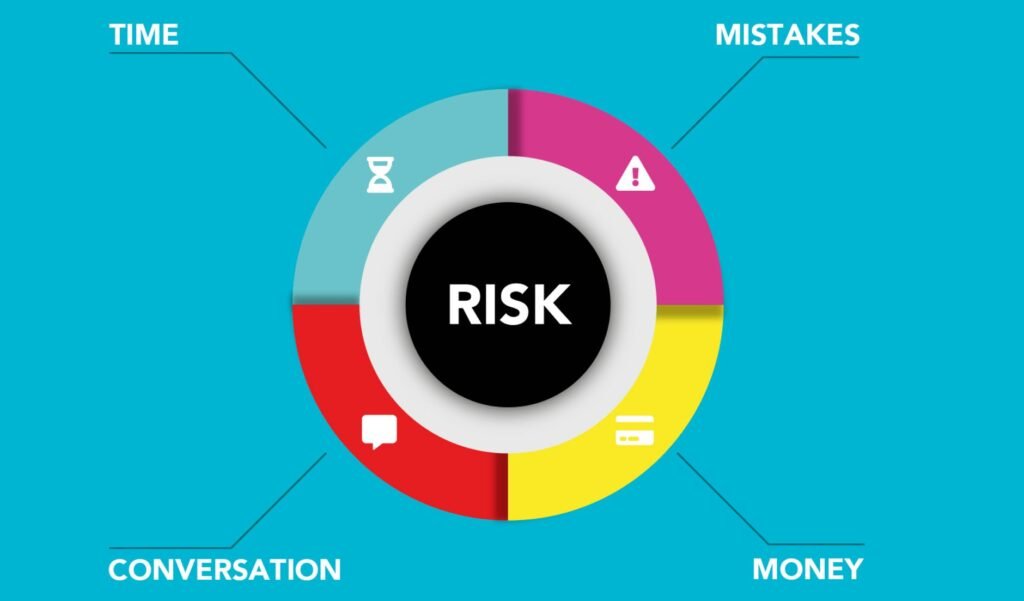
Making informed decisions is crucial when navigating the complexities of injury claims. By avoiding common mistakes in injury claims, you can significantly enhance your chances of receiving the compensation you deserve. Take the time to gather evidence, maintain proper documentation, and be mindful of deadlines. Remember, personal injury mistakes can often stem from misunderstandings about the process, so staying informed is key.
As you embark on filing injury claims, consider these injury claim tips to guide your approach. Whether it’s consulting with a legal expert or ensuring all relevant information is accurately reported, proactive steps will pay dividends in the long run. Start by reviewing your situation and identifying any potential pitfalls. With careful attention and the right resources, you can navigate the claims process more effectively and confidently.
“`html
What are the most common mistakes in injury claims?
Common mistakes in injury claims include failing to gather sufficient evidence, not documenting medical treatment properly, and missing deadlines for filing injury claims. Claimants often underestimate the importance of keeping detailed records of all expenses and communications related to the injury. Additionally, some individuals may accept early settlement offers without fully understanding the implications, which can lead to inadequate compensation for their injuries.
How can I avoid personal injury mistakes?
To avoid personal injury mistakes, start by documenting everything related to your case as soon as the incident occurs. Collect evidence such as photographs, witness statements, and medical records. Avoid discussing your case on social media and consult with a legal professional who can provide guidance specific to your situation. Following these injury claim tips can significantly increase your chances of a successful outcome.
What should I do if I missed a deadline for filing injury claims?
If you missed a deadline for filing injury claims, it is crucial to consult a lawyer as soon as possible. Depending on the circumstances, there may be options to request an extension or to pursue other legal avenues. However, the ability to file a claim after the deadline varies by jurisdiction, so seeking legal advice promptly can help you understand your options and potential remedies.
Is it necessary to hire a lawyer for filing injury claims?
While it is not legally necessary to hire a lawyer for filing injury claims, having professional legal assistance can greatly enhance your chances of obtaining fair compensation. Lawyers have the expertise to navigate the complex legal system, negotiate with insurance companies, and ensure that all necessary documentation is submitted correctly and on time. For serious injuries, hiring a lawyer is highly recommended.
What documentation do I need for an injury claim?
Essential documentation for an injury claim includes medical records, police reports, photographs of the accident scene, and any correspondence with insurance companies. Additionally, keep records of all expenses related to your injury, such as medical bills, lost wages, and rehabilitation costs. This documentation will support your claim and help establish the extent of your injuries and financial losses.
How long does the injury claim process take?
The duration of the injury claim process can vary widely based on the complexity of the case and the willingness of the insurance company to negotiate. Generally, simple cases may resolve in a few months, while more complicated claims could take a year or longer. Factors affecting the timeline include the extent of injuries, the gathering of evidence, and any disputes regarding liability or compensation.
“`