
The role of medical records in your injury claim is crucial, serving as a foundation for validating your case. Accurate and comprehensive medical documentation not only captures the extent of your injuries but also provides essential context for your recovery process. This article delves into the significance of medical records in supporting your injury claim, outlining how they can serve as compelling injury claim evidence. We’ll explore effective strategies for gathering and organizing your medical documentation, along with common challenges you might face when dealing with medical records in injury claims. Additionally, we will discuss how to present these records persuasively as part of your claim. Understanding how to support your injury claim with robust medical records can significantly influence the outcome of your case. By the end of this article, you will have a solid grasp of the role medical records play in strengthening your claim and the best practices for utilizing them effectively. For more insights on legal matters, visit Nolo for comprehensive legal resources.
Understanding the Importance of Medical Records in Your Injury Claim
Why Medical Documentation Matters
When pursuing an injury claim, medical records are critical as they serve as the foundation for evaluating compensation. These documents contain detailed information about your injuries, treatment plans, and recovery progress, making them vital injury claim evidence. The types of medical documentation required may include initial medical reports, diagnostic imaging results, treatment notes, and discharge summaries. Each of these documents provides a clear timeline and understanding of how your injury has impacted your life.
Accurate and thorough medical records not only validate your claims but also help establish the extent of your injuries. They can demonstrate the necessity of medical treatments and the anticipated duration of your recovery, which are essential for calculating damages. Moreover, having well-organized medical documentation can expedite the claims process and increase your chances of receiving fair compensation.
The Impact of Accurate Medical Records in Your Medical Records Injury Claim
Accurate medical records can significantly influence the outcome of your injury claim. Insurance adjusters and legal representatives rely on these documents to assess the validity of your claim and the appropriate compensation amount. Inaccuracies or missing information may lead to claim denials or lower settlement offers. Therefore, understanding how to support your injury claim with proper medical documentation is crucial.
Maintaining comprehensive medical records not only aids in your current claim but also serves as a reference for any future medical issues that may arise due to your injury. Ensuring that your healthcare provider documents every aspect of your treatment can make a significant difference in the claims process.

How Medical Records Support Your Injury Claim
Establishing a Connection Between Injury and Treatment
One of the primary functions of medical records in an injury claim is to establish a direct link between the injury sustained and the treatment received. When filing an injury claim, it is crucial to show that the medical care you received was necessary due to the accident. Medical records serve as vital evidence, detailing the diagnosis, treatment plans, and follow-up care, which collectively demonstrate how your injury has necessitated medical intervention. These documents provide an objective account of your injuries and the corresponding treatments, making them essential for validating your claim.
Proving the Severity of Your Injury through Medical Records Injury Claim
Another critical aspect of using medical records in your injury claim is proving the severity of your injury. Medical documentation, including test results, imaging studies, and physician notes, paints a comprehensive picture of your health status. This information not only confirms the extent of your injuries but also highlights any long-term impacts on your daily life. For example, if you underwent surgery or physical therapy, these treatments would be reflected in your records, supporting your claim for compensation. By accurately presenting injury claim evidence, these records help convey the seriousness of your situation to insurance adjusters or juries, which is crucial for determining the appropriate compensation.

Overall, understanding how to support your injury claim with medical records is essential for a successful outcome. By ensuring that your medical records are thorough and accurate, you can significantly strengthen your case and improve your chances of obtaining fair compensation.
Gathering and Organizing Your Medical Documentation
The foundation of a successful medical records injury claim lies in the gathering and organization of your medical documentation. Properly collected and maintained records serve as essential injury claim evidence, supporting your case and ensuring that your needs are met during the claims process.
Steps to Collect Medical Records
- Identify Relevant Medical Providers: Start by listing all medical professionals who treated you for your injuries. This includes hospitals, clinics, and individual practitioners.
- Request Your Records: Contact each provider’s office to request your medical records. You may need to fill out a release form and provide identification. Be clear about which records you need, such as treatment notes, diagnostic results, and billing information.
- Follow Up: If you do not receive your records within the expected timeframe, follow up with the provider. Ensure that you have all pertinent documentation that could support your injury claim.
- Review the Records: Once you receive your medical records, thoroughly review them for accuracy. Any discrepancies should be addressed immediately with the provider.
Organizing Medical Documentation Effectively for Your Injury Claim
Once you have gathered your medical records, the next step is to organize them effectively to support your injury claim.
- Create a Filing System: Use a physical or digital filing system to categorize your medical documentation. Consider organizing by date or type of treatment.
- Maintain Copies: Always keep copies of your medical records in a secure location. This ensures that you have immediate access when needed.
- Document Additional Evidence: Alongside medical records, keep track of any other evidence related to your injury, such as photographs of the accident scene or witness statements. This holistic approach strengthens your overall case.
By following these steps, you can streamline the process of gathering and organizing your medical records, ultimately enhancing your medical records injury claim. A well-prepared documentation set not only improves your chances of a successful claim but also simplifies interactions with insurance companies and legal representatives.
Common Challenges with Medical Records in Injury Claims
Issues with Incomplete Records in Medical Records Injury Claim
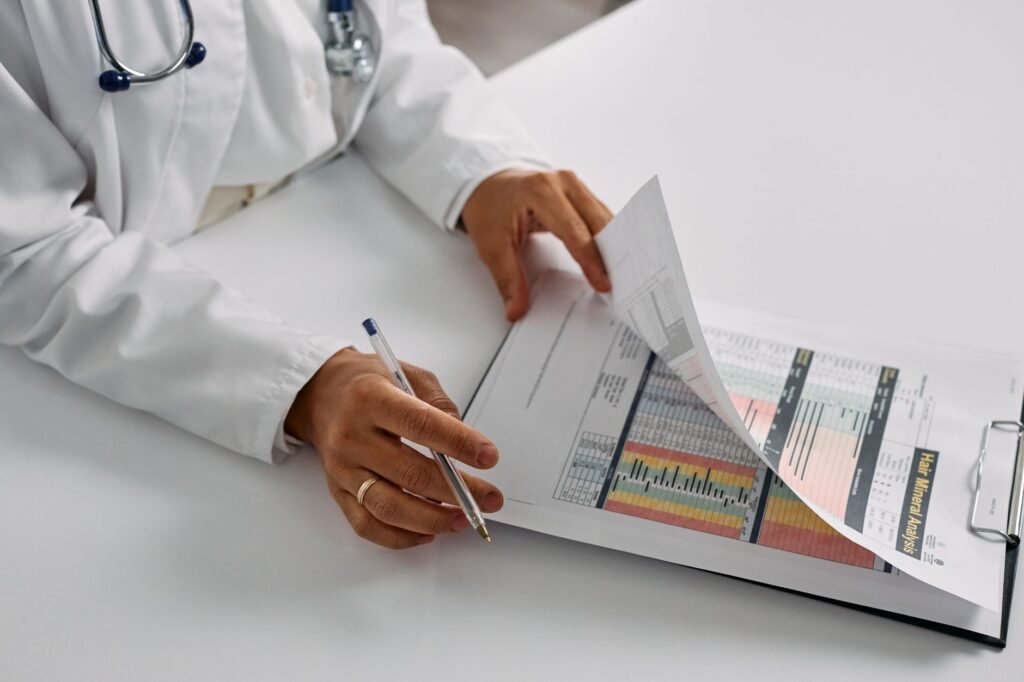
One of the most significant challenges in processing a medical records injury claim is the presence of incomplete records. Medical documentation that lacks vital information can create discrepancies in treatment history, which may weaken your case. For instance, missing diagnosis details or treatment notes can lead to delays or even denials of your injury claim. It is essential to ensure that your medical records are thorough and accurate.
To overcome this issue, regularly communicate with your healthcare providers to verify that all relevant details are recorded. You can also request a complete copy of your medical records to review for any omissions. If you spot missing information, promptly contact your provider to request corrections. Keeping a personal log of your medical visits and treatments can also help ensure that you have all the necessary injury claim evidence to support your claim.
Dealing with Delays in Accessing Medical Documentation
Another common obstacle is the delay in obtaining medical records, which can stall your injury claim process. Healthcare facilities may take time to fulfill requests, and these delays can prevent timely submission of your claim. Understanding the typical timelines for record retrieval can help you plan accordingly.
To expedite access to your medical documentation, submit requests as soon as possible and follow up regularly. Additionally, consider using electronic health record systems if available, as these often allow for quicker access to your information. Being proactive in managing your medical records can significantly enhance your ability to support your injury claim effectively.
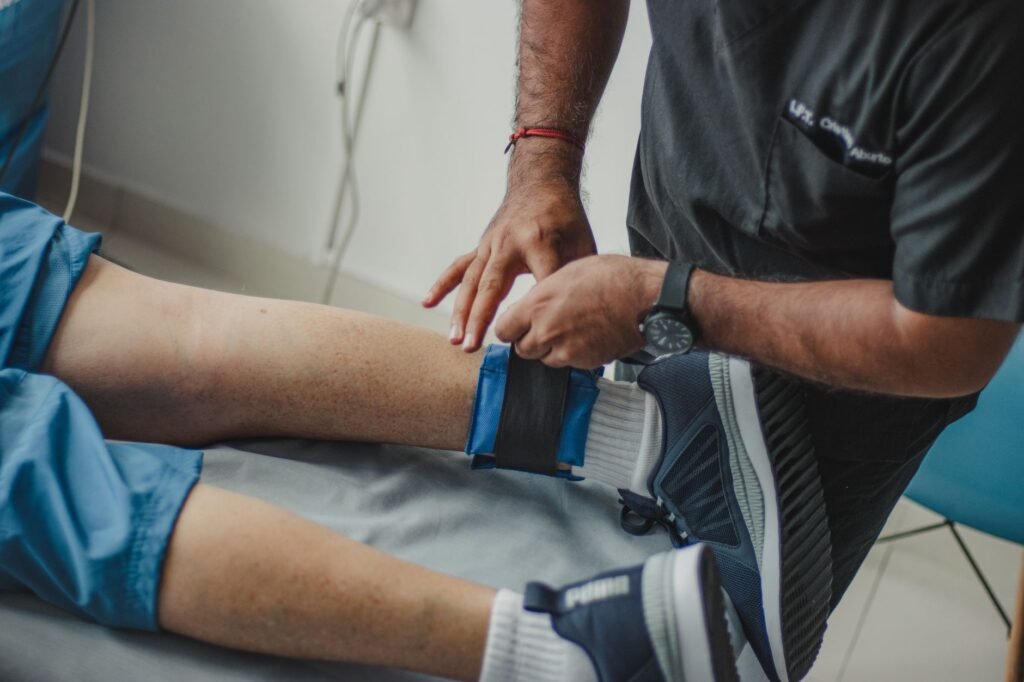
By addressing the challenges of incomplete records and delays in obtaining medical documentation, you can strengthen your medical records injury claim and increase your chances of a successful outcome.
Presenting Medical Records as Injury Claim Evidence
When pursuing an injury claim, effectively presenting medical records injury claim evidence is crucial. These documents not only substantiate the extent of your injuries but also help establish a direct link between the incident and your medical treatment. Understanding how to structure this evidence can significantly impact the outcome of your claim.
How to Structure Your Evidence
Begin by organizing your medical documentation chronologically, starting from the date of the incident. Include all relevant records, such as:
- Emergency room reports
- Diagnostic imaging (X-rays, MRIs)
- Physician’s notes and treatment plans
- Physical therapy records
- Receipts for medical expenses
Make sure your records are clear and legible, as disorganized or incomplete documentation can weaken your position. It is also beneficial to highlight any significant findings or treatments that correlate directly with your injuries. By presenting well-structured medical records, you can effectively support your injury claim.
The Role of Expert Testimony in Medical Records Injury Claim
In many cases, medical records alone may not be sufficient to prove your claim. The inclusion of expert testimony can bolster your case, providing additional credibility to your medical documentation. An expert, such as a medical professional or specialist, can explain the significance of your injuries and the necessary treatments to the court, further illustrating how they relate to the incident in question.
Choosing the right expert is essential. Look for individuals with relevant experience and strong credentials. Their insights can clarify complex medical issues for judges and juries, thereby strengthening your claim.
By effectively presenting your medical records and considering expert testimony, you can significantly enhance your chances of a successful injury claim. For more guidance on how to support your injury claim, consider consulting with legal professionals who specialize in this area. how medical records impact your injury claim calculation.

Final Thoughts on Medical Records and Injury Claims
Understanding the vital role that medical records play in an injury claim can significantly impact the outcome of your case. Medical records serve as essential injury claim evidence, providing a detailed account of your medical history, treatments, and the extent of your injuries. These documents not only support your claims but also help establish a direct link between the incident and your injuries, which is crucial for a successful resolution.
Ensuring Comprehensive Documentation
To strengthen your medical records injury claim, it is imperative to ensure that your medical documentation is comprehensive and accurate. This includes obtaining all relevant medical records, treatment notes, and diagnostic reports that pertain to your injury. Keeping a detailed record of all medical visits, treatments, and any changes in your condition can further bolster your claim. Consider maintaining a personal injury journal to document your experiences and how your injury affects your daily life.
Consulting with Legal Professionals
While you can gather medical records and documentation on your own, consulting with legal professionals can provide invaluable assistance. Attorneys who specialize in personal injury cases understand the intricacies of how to support an injury claim effectively. They can guide you on the types of medical evidence needed, ensuring that your case is as strong as possible. Additionally, a lawyer can help you navigate the complexities of insurance negotiations and potential litigation, which can be daunting without legal experience.
thorough medical records are essential for a successful injury claim. By ensuring comprehensive documentation and seeking professional legal advice, you can significantly improve your chances of receiving the compensation you deserve.

Understanding the importance of medical records in your injury claim is crucial for building a robust case. These documents serve as essential injury claim evidence, providing a clear account of your medical treatment and its relation to your injury. Proper medical documentation not only establishes the legitimacy of your claim but also helps to substantiate the extent of damages you have suffered. By gathering and organizing your medical records efficiently, you strengthen your position and increase the chances of a favorable outcome.
To effectively navigate the claims process, it is vital to know how to support your injury claim with the right information. Start by collecting all relevant medical records related to your treatment, including hospital visits, prescriptions, and diagnostic tests. Consulting with an attorney who specializes in personal injury can also provide valuable insights and guidance. Taking these steps ensures that your claim is well-supported and presents a compelling case for compensation.
“`html
What are medical records injury claim?
Medical records in an injury claim refer to the documentation of your medical history, treatments, and diagnoses related to your injury. These records are crucial as they provide evidence of the injuries sustained and the medical care received, helping to establish the validity and extent of your claim. Accurate medical records can significantly influence the outcome of your case, making them essential for a successful injury claim.
How do I gather medical documentation for my injury claim?
To gather medical documentation for your injury claim, start by requesting copies of your medical records from healthcare providers who treated you for your injury. You may need to fill out a release form to obtain these records. Additionally, collect any bills, receipts, and notes from your treatment sessions. If you have follow-up appointments, keep track of those records as well. Organizing these documents will ensure you have a comprehensive overview of your medical history related to the claim.
What is the importance of injury claim evidence?
Injury claim evidence is crucial because it substantiates your claims regarding the injury’s severity and the impact it has had on your life. This evidence can include medical records, photographs of the injury, witness statements, and police reports. Strong evidence helps establish liability and supports your case, making it more likely to achieve a favorable settlement or court ruling. Without sufficient evidence, your claim may be weakened and difficult to prove.
How can I support my injury claim with medical records?
You can support your injury claim with medical records by ensuring that they clearly document the nature and extent of your injuries, the treatments you received, and the prognosis provided by your healthcare providers. Highlight any ongoing treatment or rehabilitation needs and connect them directly to the incident that caused the injury. This documentation serves as concrete evidence of your claim, reinforcing the necessity for compensation based on your injuries and resulting medical expenses.
What challenges might I face with my medical records?
Challenges with medical records may include incomplete or missing documentation, delays in obtaining records from healthcare providers, or discrepancies in the information recorded. Sometimes, providers may charge high fees for copies or may not respond promptly to requests. Additionally, if the records do not clearly correlate with your injury, this could weaken your claim. It’s important to stay organized and proactive in following up with providers to mitigate these challenges.
Can I still file a claim if my medical documentation is incomplete?
Yes, you can still file a claim even if your medical documentation is incomplete, but it may pose challenges in proving your case. Incomplete records can weaken your argument and may lead to disputes over the severity of your injuries or the necessary compensation. It is advisable to gather as much documentation as possible and provide a detailed explanation of any missing information. Working with a legal professional can help strengthen your claim despite these limitations.
“`