To effectively gather evidence for your injury claim, it is crucial to understand the steps involved in collecting claim evidence that can substantiate your case. Evidence plays a vital role in injury claims, influencing the outcome of negotiations and court proceedings. This article will guide you through the essential steps for collecting claim evidence effectively, ensuring you have a strong foundation for your case. You will learn how to utilize witness statements, organize and present your evidence compellingly, and identify common mistakes to avoid during the process. Whether you are dealing with personal injury, workplace accidents, or medical malpractice, understanding how to compile supporting documents for claims will significantly enhance your chances of success. For additional resources, consider exploring [Nolo](https://www.nolo.com/legal-encyclopedia/evidence-injury-claims-29788.html) or [FindLaw](https://www.findlaw.com/injury/accident-injury-claims/how-to-collect-evidence-in-an-injury-claim.html) for more insights on the topic.
Understanding How to Gather Evidence for Your Injury Claim
When pursuing an injury claim, gathering evidence is a crucial step that significantly influences the outcome of your case. The right evidence not only supports your claims but also establishes the extent of your injuries and the circumstances surrounding the incident. Without adequate evidence, insurance companies and courts may dismiss your claim or offer a lower settlement than you deserve.
The Importance of Evidence for Injury Claims
Collecting strong evidence for injury claims is essential as it substantiates your assertions about the accident and your injuries. It helps demonstrate liability and the damages you have incurred, such as medical expenses, lost wages, and pain and suffering. Proper documentation can dramatically increase the chances of securing a favorable settlement. Therefore, understanding how to gather evidence for your injury claim is a pivotal step in the claims process.
Types of Evidence You Should Collect
When it comes to collecting claim evidence, various types of information can be beneficial:
- Photographs: Take pictures of the accident scene, your injuries, and any property damage. Visual documentation can provide clear evidence of the event and its aftermath.

Photo by Michael Pointner on Pexels - Witness Statements: Gathering contact information and statements from witnesses can strengthen your claim. Their accounts may validate your version of events.
- Medical Records: Ensure you obtain all medical records related to your injuries. These documents serve as supporting documents for claims and show the treatment you received.
- Police Reports: If applicable, a police report can provide an official account of the incident, which may be crucial in establishing fault.
By systematically collecting these types of evidence, you will be better equipped to present a compelling case and maximize the compensation you deserve. Always remember that the more robust your evidence, the stronger your claim will be.
Steps for Collecting Claim Evidence Effectively
Documenting the Incident Scene
When you need to gather evidence for your injury claim, the first step is documenting the incident scene. This creates a clear record of what happened and can significantly support your case.
- Take Comprehensive Photos: Capture multiple angles of the scene, including any relevant surroundings, injuries, and property damage. Ensure images are clear and focused.
- Create Diagrams: Sketch a diagram detailing the incident. Include the positions of vehicles, individuals, and any other critical elements that contribute to understanding the accident.
- Collect Witness Information: If there are any witnesses, gather their contact details. Statements from impartial witnesses can add credibility to your claim.
- Report Documentation: Obtain a copy of any police reports or official statements made at the scene. These documents serve as supporting documents for claims.
Gathering Medical Records and Reports
Another vital aspect of collecting claim evidence involves gathering your medical records and reports. These documents not only substantiate your injuries but also provide insight into the medical treatment you received.
- Request Medical Records: Contact your healthcare providers to request copies of your medical records. Most facilities have a process for this; ensure you follow it to avoid delays.
- Document Treatment Plans: Keep a record of all treatments, medications, and follow-up visits. This information is crucial in demonstrating the severity of your injuries.
- Use Authorization Forms: Be prepared to fill out authorization forms that allow your healthcare provider to share your information with relevant parties.
By diligently documenting the incident scene and gathering necessary medical records, you will effectively gather evidence injury claim. This preparation is essential in building a strong case. 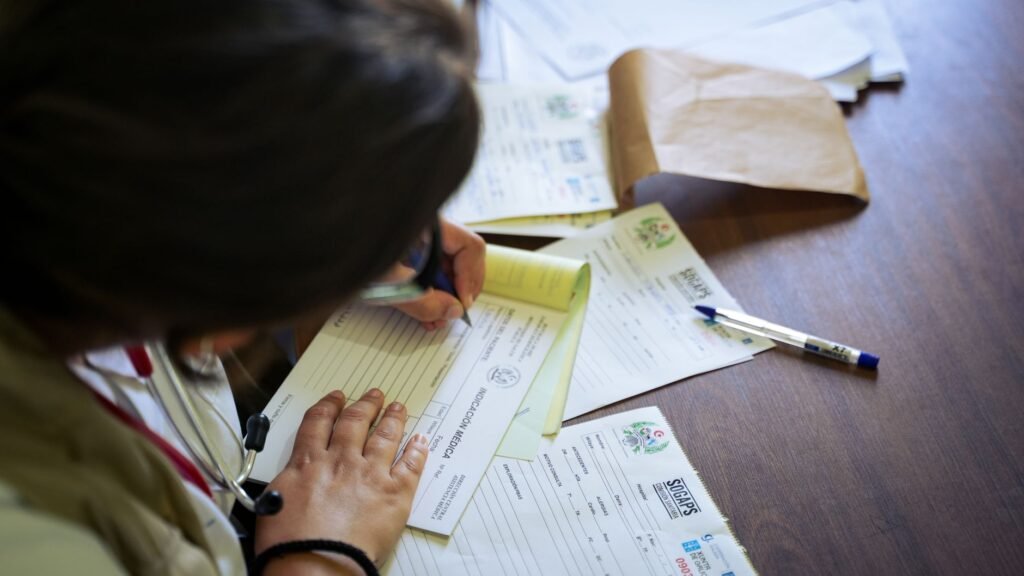
Utilizing Witness Statements in Your Claim
Eyewitness accounts can significantly strengthen your case when you gather evidence for your injury claim. Witness statements act as credible supporting documents for claims, offering insights that can corroborate your version of events. A strong eyewitness account can help validate your injuries and the circumstances surrounding the incident, making it crucial to effectively collect this evidence.
How to Approach Witnesses for Your Injury Claim
When approaching potential witnesses, it is essential to be polite and respectful. Here are some actionable tips:
- Choose the Right Time: Approach witnesses soon after the incident while their memories are fresh. Timing is crucial for collecting claim evidence.
- Be Clear and Concise: Explain your situation without overwhelming them with details. This will help them focus on their own observations.
- Ask Open-Ended Questions: Encourage witnesses to share their account freely. For example, “What did you see happen?” instead of leading them with your version of events.
- Offer to Record Their Statement: If they agree, recording their statement can ensure accuracy when you document their words later.
What to Include in a Witness Statement
When collecting witness statements, ensure you capture the following information:
- Witness Details: Full name, contact information, and relationship to the incident.
- Date and Time: When the witness observed the incident.
- Exact Observations: A detailed account of what the witness saw, including any relevant actions or statements made by the parties involved.
- Signature and Date: Ensure the witness signs the statement and includes the date to validate its authenticity.
By gathering comprehensive witness statements, you can enhance your case and provide compelling evidence for injury claims. Remember, these statements serve as critical supporting documents for claims, reinforcing your narrative and helping establish liability.

Organizing and Presenting Your Evidence
Creating a Comprehensive Evidence File
Once you have started to gather evidence for your injury claim, the next crucial step is to organize it effectively. A well-structured evidence file not only helps in presenting your case but also ensures that no important details are overlooked. Begin by categorizing your collected documentation into distinct sections:
- Medical Records: Include all relevant medical documents such as treatment records, prescriptions, and invoices.
- Accident Reports: Attach police reports or incident reports detailing the circumstances of your injury.
- Witness Statements: Collect statements from individuals who witnessed the incident, as their accounts can strengthen your claim.
- Photographic Evidence: Organize photos of the accident scene, your injuries, and any property damage.
- Supporting Documents: Add any correspondence with insurance companies, as well as proof of lost wages or other financial impacts.
By collecting claim evidence in an organized manner, you can present a compelling narrative that supports your claim.

How to Present Evidence to Insurance Companies
When it comes to presenting your evidence to insurance companies, clarity and precision are paramount. Start by preparing a cover letter that outlines your claim and the evidence you are submitting. Clearly label each section of your evidence file, making it easy for the adjuster to navigate through the documentation.
Ensure that all evidence is presented in a logical order, following the progression of events. This helps to build a coherent story that illustrates the severity of your injury and its impact on your life. Utilize bullet points to highlight key facts and data, making it easier for the reviewer to digest the information.
Be prepared to discuss your evidence in detail, as adjusters may have questions. The goal is to create a persuasive presentation that emphasizes the validity of your claims while demonstrating your organized approach to gathering evidence for your injury claim.
For more tips on effective communication with insurance representatives, consider reviewing our guide on Essential Injury Claim Documentation Checklist.
Common Mistakes to Avoid When Collecting Evidence for Your Injury Claim
When you set out to gather evidence for your injury claim, the process can be daunting, and it’s easy to make mistakes. Avoiding common pitfalls can significantly enhance the strength of your claim. Here are two critical areas to focus on:
Failing to Document Everything
One of the most frequent mistakes individuals make is not documenting every detail related to their injury. Proper documentation is crucial when collecting claim evidence. This includes taking photographs of the accident scene, capturing images of injuries, and keeping receipts for medical expenses. Additionally, maintain an organized record of all correspondence with insurance companies and medical providers. Missing even a small piece of evidence can weaken your claim. Make a habit of recording dates, times, locations, and any conversations with witnesses. Thorough documentation also serves as supporting documents for claims, providing a comprehensive view of the circumstances surrounding your injury.
Neglecting to Follow Up with Witnesses When You Gather Evidence for Your Injury Claim
Another common oversight is failing to follow up with witnesses. While it’s great to collect their initial statements, it’s essential to ensure their accounts remain accurate and available. Witnesses may forget details or become hard to reach over time, which can jeopardize your case. Make a note to contact them after the incident to confirm their willingness to provide a statement if necessary. A well-prepared witness can significantly bolster your evidence for injury claims, making their reliability paramount.
By avoiding these mistakes and focusing on thorough documentation and witness follow-up, you’ll be better positioned to gather evidence for your injury claim effectively.

Conclusion: The Key to a Successful Injury Claim
Gathering evidence for your injury claim is not just a procedural step; it is the cornerstone of building a compelling case. The strength of your claim will often hinge on the quality and comprehensiveness of the evidence you compile. This includes witness statements, medical records, photographs of the incident, and any other supporting documents for claims that can substantiate your narrative. A proactive approach to collecting claim evidence not only enhances your chances of success but also helps to expedite the claims process.
When you take the initiative to gather evidence for your injury claim, you empower yourself and your legal representation to present a well-documented case. This evidence serves as the foundation that can help demonstrate liability and the extent of your damages. Additionally, being organized and thorough in your approach can significantly reduce the likelihood of disputes with insurance companies and other parties involved in the claim.
Ultimately, the key to a successful injury claim lies in your ability to gather evidence injury claim effectively. By focusing on the details and ensuring that all relevant information is documented and accessible, you position yourself for a favorable outcome. Remember, the more comprehensive your evidence, the stronger your case will be. For additional insights on this topic, consider exploring our resources on what constitutes evidence for injury claims.

Effectively gathering evidence for your injury claim is crucial to presenting a strong case. By systematically collecting claim evidence, including medical records, witness statements, and photographs, you will be well-prepared to support your claims. Each piece of information serves as a vital component that strengthens your position and enhances the credibility of your case.
As you embark on this process, prioritize the organization of your supporting documents for claims. This will not only help you during negotiations but also provide clarity in case your claim progresses to litigation. Remember, the more thorough and well-documented your evidence, the better your chances of a favorable outcome. Take the first step today by assessing the information you already have and identifying any gaps that need to be filled.
“`html
What types of evidence are needed for an injury claim?
To successfully support an injury claim, you need various types of evidence. This includes medical records, accident reports, photographs of the scene, and any relevant documents that detail your injuries and their impact on your life. Additionally, pay stubs or other income documents can help establish lost wages. Gathering a comprehensive set of evidence for injury claims strengthens your case and aids in negotiating a settlement.
How do I gather evidence for my injury claim?
To gather evidence for your injury claim, start by collecting all medical records related to your injuries. Next, document the accident scene with photographs, including visible injuries and any contributing factors. Obtain police reports if applicable, and gather witness contact information. Keep a detailed record of your expenses, treatments, and any discussions with insurance companies. A systematic approach will help you gather evidence for injury claims effectively.
What documents support my injury claim?
Supporting documents for claims typically include medical records, bills, and receipts for treatments related to the injury. You should also include any documentation that outlines lost wages, such as pay stubs or employer statements. Accident reports and witness statements can provide additional support. Collecting comprehensive documentation will enhance the strength of your claim and aid in achieving a fair settlement.
Can witness statements help my injury claim?
Yes, witness statements can significantly bolster your injury claim. They offer impartial accounts of the incident and may provide details that support your version of events. Witnesses can corroborate facts about the accident, the circumstances leading to your injuries, and the aftermath. Ensure you collect their contact information and, if possible, ask for a written statement to strengthen your case.
What mistakes should I avoid when collecting claim evidence?
Avoid common mistakes such as failing to document the accident scene promptly or neglecting to gather witness information. Do not overlook the importance of keeping organized records of all medical treatments and expenses. Additionally, refrain from discussing your case with anyone other than your attorney, as this can jeopardize your claim. Ensuring thorough and accurate collection of evidence is crucial for a successful outcome.
How do I organize my evidence for an injury claim?
Organizing your evidence for an injury claim involves creating a systematic file or folder. Categorize documents into sections such as medical records, financial documentation, accident reports, and witness statements. Consider using a timeline to illustrate the sequence of events. This structured approach not only helps you keep track of essential documents but also makes it easier for your attorney to review and present your case.
“`