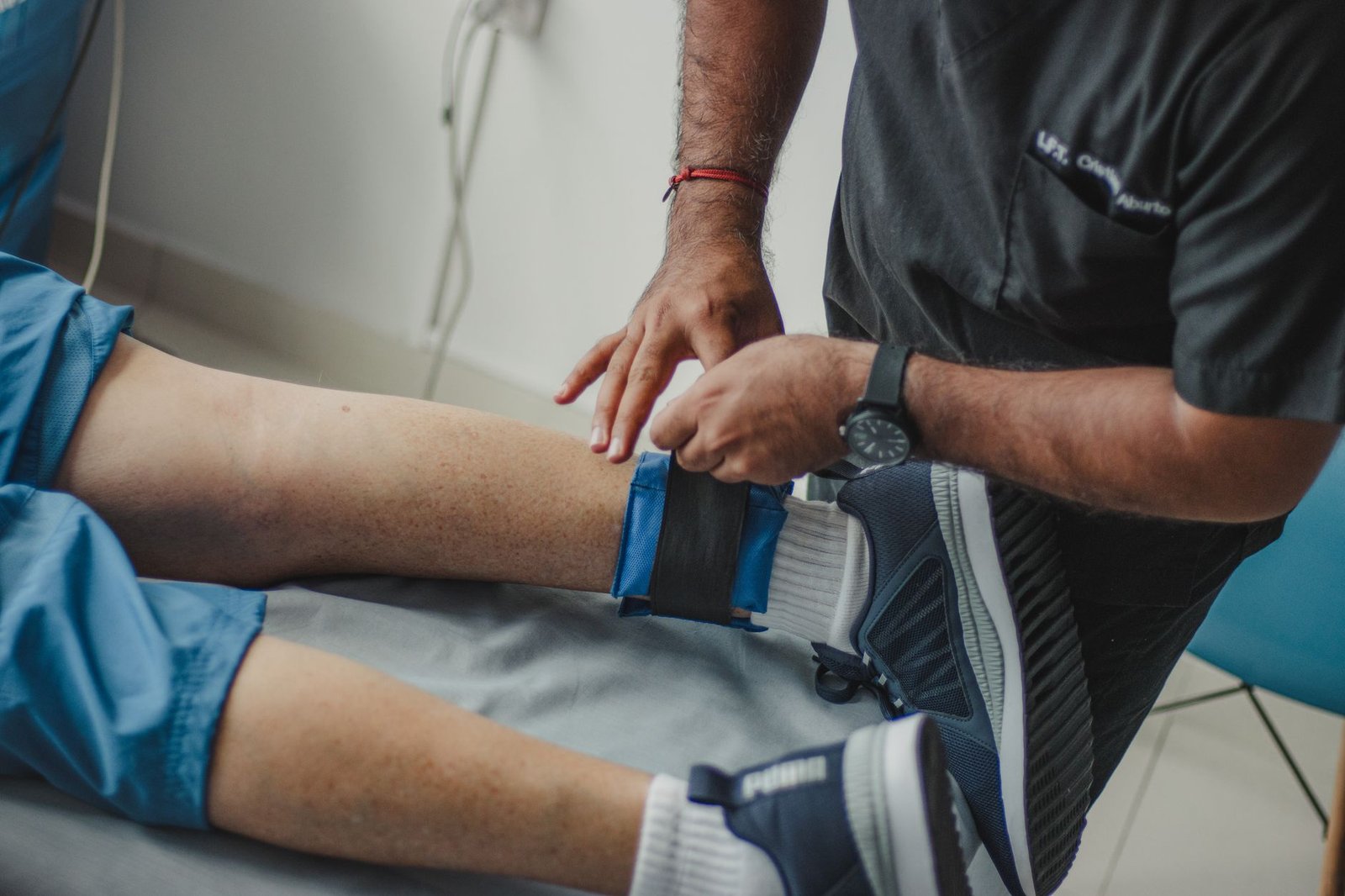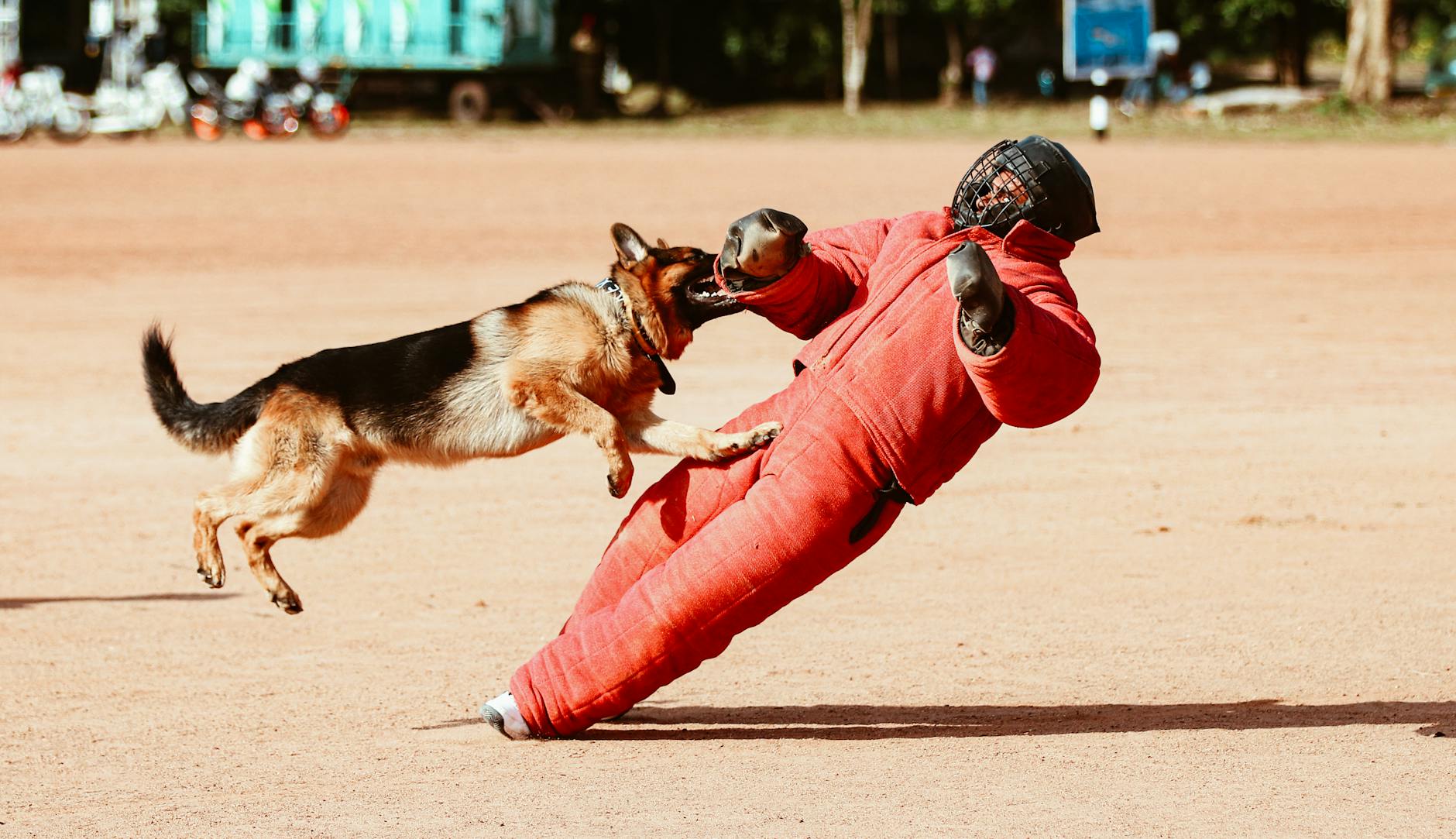
Experiencing a dog bite in a public place can be a traumatic event, leaving victims unsure of how to proceed. Knowing the appropriate steps to take immediately after a dog bite can significantly impact the outcome, both medically and legally. This article will guide you through essential actions to take right after a dog bite occurs in a public place, including how to assess your injuries and seek medical attention. We will also discuss dog bite liability in public spaces, highlighting the responsibilities of dog owners and the implications for victims. Furthermore, we will outline the public dog bites legal steps necessary for pursuing compensation and the importance of reporting dog bites to authorities. As prevention is key, we will provide insights into ways to help prevent future dog bites in public areas. Understanding these aspects will not only empower you in the unfortunate event of a dog bite but also promote a safer environment for everyone involved.
What to Do Immediately After a Dog Bite in a Public Place
Assessing the Injury
After experiencing a dog bite in a public place, your first priority should be assessing the severity of your injury. Check for bleeding, puncture wounds, or swelling. If the bite is deep or bleeding profusely, it is crucial to seek medical attention immediately. Even minor bites can lead to infections, so do not underestimate the need for medical evaluation. According to the Centers for Disease Control and Prevention (CDC), approximately 1 in 5 dog bites become infected, highlighting the importance of prompt care.
Ensuring Safety After a Dog Bite in a Public Place
Once you have assessed your injury, ensure your safety by moving away from the dog and its owner, if possible. This helps to prevent further incidents. If the dog’s owner is present, politely request their contact information and any relevant vaccination records for the dog. This information is vital for reporting dog bites and addressing any potential dog bite liability in a public space.
Document the incident comprehensively. Take photographs of your injuries, the location of the bite, and the dog involved. If there are witnesses, gather their names and contact information as they may provide important testimony regarding the circumstances of the bite. Proper documentation can be crucial for public dog bites legal steps later, particularly if you need to pursue compensation or file a claim.
Finally, consult with a healthcare professional to determine if you need a tetanus shot or antibiotics. Taking these immediate steps not only ensures your safety and health but also prepares you for any necessary legal follow-up.

Understanding Dog Bite Liability in Public Spaces
When a dog bite occurs in a public place, determining liability can be complex. Various factors, including local laws, the circumstances of the incident, and the behavior of both the dog and the victim, come into play. Understanding dog bite liability in public spaces is essential for both dog owners and victims to navigate potential legal ramifications effectively.
Who is Responsible?
Generally, the owner of the dog is held responsible for any injuries caused by their pet, especially if the dog is known to have aggressive tendencies. This principle is often referred to as “strict liability,” which means that the owner can be held liable regardless of whether they took reasonable precautions to prevent the bite. However, local laws can vary significantly, and some jurisdictions may follow a “one-bite rule,” which allows owners a degree of leniency if the dog has never bitten anyone before. Understanding local dog laws is crucial in these situations. What to Do After a Dog Bite: Legal Steps and Health Tips
Types of Liability for Dog Bite Public Place Incidents
There are generally two types of liability in dog bite cases: negligence and strict liability. In negligence cases, the victim must prove that the owner failed to exercise reasonable care, leading to the bite. This could involve not securing the dog properly or allowing it to roam freely in a public dog park. In contrast, strict liability does not require the victim to prove negligence; the owner is liable if the dog bites someone, regardless of the circumstances. Understanding these different types of liability can help victims take appropriate public dog bites legal steps following an incident.
Additionally, it is vital to document the incident and consider reporting dog bites to local authorities. This not only helps create an official record but also may assist in identifying aggressive dogs in the community. How to File a Dog Bite Claim: Step-by-Step Guide
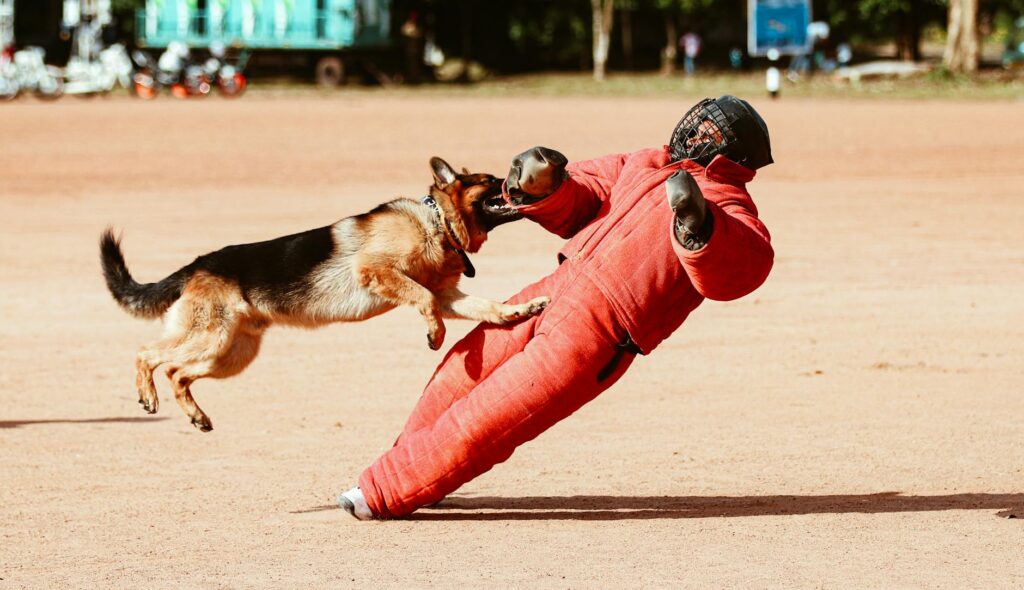
Public Dog Bites: Legal Steps to Follow
Reporting Dog Bites in a Public Place
If you experience a dog bite in a public place, it’s crucial to report the incident promptly. Start by seeking medical attention if needed, then contact local animal control or law enforcement to report the dog bite. This step is essential not only for your health but also for public safety, as it may prevent future incidents. When reporting, provide as much detail as possible, including the dog’s description, the owner’s contact information (if available), and the circumstances surrounding the bite.
Documentation is key in these situations. Be sure to gather evidence, such as photographs of your injuries and the scene of the incident. This evidence can support your case in terms of dog bite liability in public space and will be invaluable for any potential claims. Additionally, obtain witness statements, if any, to corroborate your account of the event. For more information on the reporting process, visit your local animal control’s website.
Filing a Claim for Damages
After you have reported the incident, the next step is to consider filing a claim for damages. This process involves contacting the dog owner’s insurance company, as they may be liable for medical expenses, lost wages, and other damages resulting from the dog bite. It’s important to document all related expenses, including medical bills and any lost income due to your injuries.
To strengthen your claim, compile all evidence gathered during the reporting stage. This includes photos of your injuries and the dog, any medical reports, and witness statements. Understanding the public dog bites legal steps involved in filing a claim can significantly affect the outcome. For further guidance on personal injury claims, consult a legal expert who specializes in dog bite cases. They can help navigate the complexities of your situation and ensure that you receive the compensation you deserve.
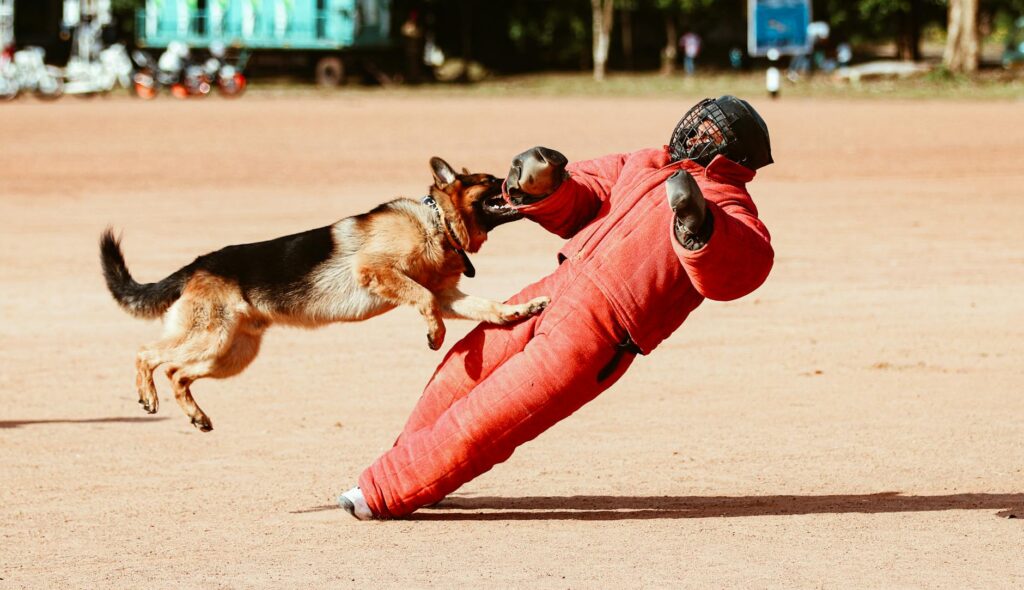
By following these steps and ensuring you have all necessary documentation, you can effectively address the repercussions of a dog bite in a public place. For more on personal injury law, check Understanding Dog Bite Insurance Claims: Key Insights.
How to Report Dog Bites Effectively
If you find yourself involved in a dog bite incident in a public place, it is essential to report the event accurately to ensure proper documentation and accountability. Here are the steps you should take to report dog bites effectively.
Gathering Information for Dog Bite Public Place Reports
Before contacting authorities, collect as much information as possible related to the incident. This information can be critical for any potential legal steps that may arise from the bite:
- Dog Owner’s Contact Information: Obtain the name, address, and phone number of the dog’s owner.
- Dog Details: Note the dog’s breed, size, color, and any distinctive markings.
- Witness Information: Gather names and contact details of any witnesses who observed the incident.
- Medical Records: Document any medical treatment received, including hospital visits or doctor consultations. Keep records of bills and medical reports.
This information will be vital for claim processes or if you need to pursue dog bite liability in a public space. Additionally, it can help authorities track incidents of public dog bites and ensure that proper safety measures are taken.
Contacting Authorities and Reporting Dog Bites
After gathering the necessary information, the next step is to contact local authorities. This typically involves:
- Local Law Enforcement: Report the bite to the police department if there are injuries or if the incident poses a public safety risk.
- Animal Control: Reach out to your local animal control agency. They can provide guidance on public dog bites legal steps and will document the incident.
Make sure to provide them with all the information you collected. This will help in creating a formal report that can be used for any future legal action or insurance claims. By following these steps, you will ensure that the incident is reported thoroughly, helping to promote safety in public spaces.
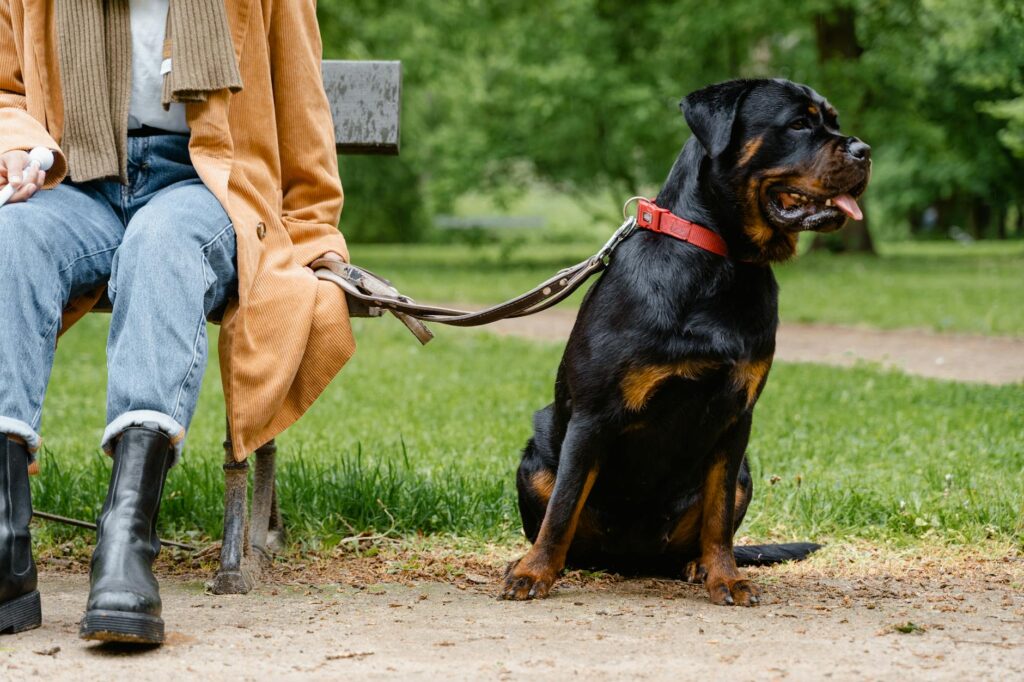
Preventing Future Dog Bites in Public Areas
Education and Awareness on Dog Bite Public Places
Education plays a crucial role in preventing dog bites in public places. Increased awareness among dog owners and the general public can significantly reduce the incidence of these incidents. Responsible pet ownership is paramount; owners must ensure their dogs are well-trained and socialized. Simple steps such as leash laws and muzzling aggressive breeds can make a big difference. Moreover, public awareness campaigns can inform communities about the importance of recognizing dog body language and understanding when a dog may feel threatened or anxious.
Additionally, local governments can partner with animal control agencies to provide educational resources, such as workshops and informational pamphlets. These initiatives can help promote responsible dog ownership and outline the dog bite liability in public spaces, ensuring individuals understand their legal responsibilities. Engaging community members in conversations about safe interactions with dogs is essential for fostering a safer environment.
Community Initiatives to Reduce Public Dog Bites
Community programs focused on dog bite prevention can also be instrumental in addressing the issue of public dog bites. Initiatives such as dog safety classes, free vaccination clinics, and spay/neuter programs can help reduce the number of aggressive dogs in public spaces. By ensuring that dog owners are educated about their pets’ behavior and needs, communities can work together to minimize risks.
Moreover, reporting dog bites is vital for tracking incidents and understanding trends. When bites occur, they should be reported to local authorities, allowing for improved public safety measures. Understanding public dog bites legal steps and encouraging responsible reporting can lead to more effective policies and community outreach efforts aimed at preventing future incidents. Encouraging residents to participate in these programs fosters a sense of community responsibility and promotes a culture of safety.

Conclusion: Staying Safe and Informed After a Dog Bite in a Public Place
Experiencing a dog bite in a public place can be distressing and confusing. Understanding the steps to take immediately following an incident is crucial for your safety and health. First and foremost, seek medical attention for any injuries, as this is the priority. Even minor bites can lead to infections, so don’t hesitate to consult a healthcare professional.
Next, it’s essential to gather information about the dog and its owner. Document the incident thoroughly, including the dog’s behavior, location, and any witnesses. This information is vital for reporting dog bites to local authorities and for potential legal actions. If you decide to pursue a claim, knowing about dog bite liability in public space can help you understand your rights and the responsibilities of the dog’s owner.
When it comes to public dog bites legal steps, being informed can empower you in navigating the aftermath. Research local laws regarding dog bites, as they can vary significantly by jurisdiction. This knowledge can affect your course of action and potential compensation.
Lastly, educating yourself and the community about responsible pet ownership can help reduce the risk of future incidents. Initiatives promoting dog safety can greatly benefit public spaces, ensuring that dog owners understand their responsibilities and that the community stays informed about how to handle such situations.
By following these steps, you can not only address the immediate aftermath of a dog bite in a public place but also contribute to a safer environment for everyone.
Experiencing a dog bite in a public place can be traumatic and confusing, both for the victim and the dog owner. Understanding the potential dog bite liability in a public space is essential for navigating the aftermath effectively. If you find yourself in this situation, ensure you follow the necessary public dog bites legal steps, such as seeking medical attention and reporting dog bites to local authorities. This will not only help you receive appropriate care but also initiate the necessary legal processes.
Taking the right actions promptly can significantly impact the outcome of your case. Documenting the incident, obtaining witness statements, and gathering evidence are vital for establishing liability and pursuing any necessary compensation. If you are unsure of how to proceed, consider consulting with a legal professional who specializes in dog bite cases. They can guide you through the complexities of dog bite liability in a public space and help you make informed decisions. Remember, acting swiftly can help protect your rights and ensure a safer community.
“`html
What should I do immediately after a dog bite occurs?
Immediately after a dog bite occurs, ensure your safety and the dog’s. If the dog is aggressive, move to a safe location. Clean the wound with soap and water for at least 15 minutes to reduce the risk of infection. Apply a clean bandage, and seek medical attention, especially if the wound is deep or bleeding heavily. Document the incident by taking photos of the injury and the scene, as this will be helpful for any future claims related to dog bite liability in a public space.
How do I determine dog bite liability in a public place?
Determining dog bite liability in a public place typically involves assessing the circumstances surrounding the incident. Review local laws and regulations, as they vary by location. Generally, the owner may be liable if their dog has a history of aggression or if they were negligent in controlling their dog. Witness testimonies and any previous complaints about the dog can also impact liability. Consulting with a legal professional experienced in dog bite cases can help clarify your rights and options.
What are the legal steps to take after a public dog bite?
After a public dog bite, the first legal step is to seek medical attention and document your injuries. Next, report the incident to local animal control or police, as they can investigate and document the event. Collect evidence, including photographs and witness statements. If you decide to pursue a claim, consider consulting with a lawyer specializing in public dog bites legal steps, as they can guide you through the process and help you understand your rights.
How can I report a dog bite incident effectively?
To report a dog bite incident effectively, contact your local animal control agency or police department as soon as possible. Provide detailed information about the event, including the time, location, and description of the dog and its owner, if known. Include any witness statements and photographs of the injury or scene, as these can substantiate your report. Prompt reporting is crucial for documentation and can aid in addressing any potential public safety concerns.
What information do I need to gather after a dog bite?
After a dog bite, gather essential information to support any potential claims. Document the dog’s owner’s contact details, the dog’s vaccination history, and any witnesses’ names and contact information. Take photographs of your injuries and the bite scene, and keep records of medical treatments received. This information is vital for establishing liability and may be required when reporting the incident or pursuing legal action.
How can communities prevent dog bites in public areas?
Communities can prevent dog bites in public areas through education and responsible pet ownership initiatives. Organizing workshops on dog behavior and training can help owners manage their pets better. Implementing leash laws and designated dog parks can provide safe environments for dogs and people alike. Additionally, encouraging reporting of aggressive dogs can help local authorities monitor and address potential risks, ensuring a safer experience in public spaces.
“`