
Using an injury claim calculator can simplify the process of estimating your compensation, but many individuals fall prey to mistakes injury claim calculator users commonly make. These mistakes can lead to significant injury claim calculation errors, ultimately impacting the amount you may receive for your injuries. In this article, we will explore the most frequent personal injury claim mistakes made by users of these calculators, helping you understand their potential consequences. You will also find essential claim calculator tips designed to enhance the accuracy of your calculations, alongside best practices for avoiding common pitfalls. Armed with this knowledge, you can confidently navigate the complexities of your claim and maximize your potential compensation. For further insights into effective claim strategies, consider referring to resources from Nolo or the American Bar Association. Let’s dive into the details to ensure you avoid these costly mistakes.
Avoiding Common Mistakes Injury Claim Calculator Users Make
Ignoring Local Laws and Regulations
One of the most significant mistakes injury claim calculator users make is neglecting to consider local laws and regulations that can impact their claims. Each state has different statutes of limitations, caps on damages, and regulations governing personal injury claims. For instance, some states follow a comparative negligence rule, meaning your compensation may be reduced based on your percentage of fault. This can lead to serious injury claim calculation errors if your calculator does not account for these specifics. Familiarizing yourself with local laws is essential for accurate calculations and effective claims.
Underestimating Damages
Another common pitfall is underestimating the full extent of damages. Many users focus solely on immediate medical expenses or property damage, overlooking other potential damages like lost wages, emotional distress, or future medical costs. This oversight can lead to substantial personal injury claim mistakes that significantly undervalue a claim. To avoid this, it is crucial to comprehensively list all potential damages. Consider using resources that outline common damages in personal injury cases to ensure you are accounting for everything. Always remember to double-check your calculations and, if possible, consult with a legal professional for the most accurate assessment.
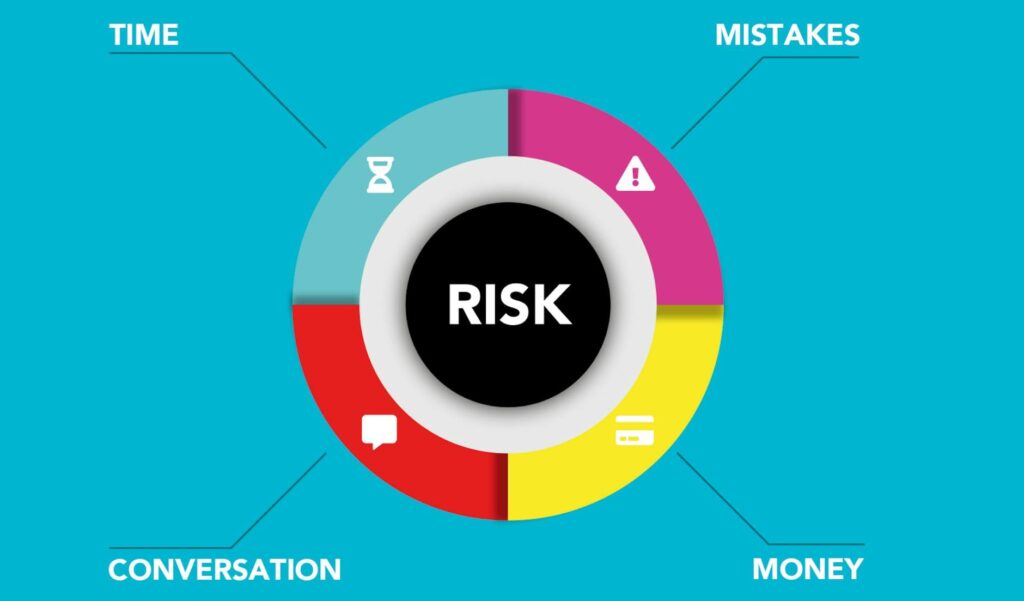
By being aware of these common mistakes injury claim calculator users make, you can better navigate the claims process and ensure you receive fair compensation for your injuries. For more claim calculator tips, consider seeking advice from experienced attorneys or utilizing reputable online resources.
Injury Claim Calculation Errors: Understanding Their Impact
When using an injury claim calculator, one of the most common mistakes injury claim calculator users make is relying solely on estimated values. While these tools can provide a rough idea of potential compensation, they often lack the nuance required for an accurate assessment. For instance, the calculator may not account for specific factors such as the severity of injuries, ongoing medical expenses, or lost wages. These injury claim calculation errors can lead to an inflated or deflated claim amount, significantly skewing the results and potentially affecting the outcome of your case.
Relying Solely on Estimated Values
Using estimated values without proper context can result in personal injury claim mistakes. For example, if you underestimate your medical expenses or fail to include future treatment costs, the resulting claim may not reflect your actual needs. Additionally, calculators might not consider non-economic damages such as pain and suffering, emotional distress, or loss of enjoyment of life. Therefore, while these tools can be helpful, they should not be the sole basis for your injury claim.
Failing to Consult Professionals
Another critical mistake is failing to consult professionals when calculating your injury claim. Legal or financial experts can provide invaluable insight into your situation, ensuring that all relevant factors are considered. They can help identify claim calculator tips that improve the accuracy of your estimates and guide you through the complexities of personal injury law. Consulting a professional not only minimizes calculation errors but also empowers you to present a more robust claim.
Overall, to avoid mistakes injury claim calculator users often make, it’s essential to balance the use of calculators with professional guidance. This approach will enhance your chances of receiving fair compensation for your injuries.

Claim Calculator Tips to Maximize Accuracy
Avoiding Common Mistakes Injury Claim Calculator Users Make
Using an injury claim calculator can be an invaluable step in determining potential compensation; however, there are several common pitfalls that can lead to injury claim calculation errors. To enhance the accuracy of your results, consider the following tips:
Gather Comprehensive Information
Before you input data into an injury claim calculator, ensure you have gathered all relevant information. This includes:
- Medical Records: Collect detailed documentation of your injuries, treatments, and associated medical expenses. This will help you gauge the cost of current and future medical care.
- Lost Wages: Document the time you were unable to work due to your injuries, including your regular income and any lost benefits.
- Impact on Quality of Life: Consider how your injury has affected your daily activities and overall well-being. These factors can significantly influence your claim.
- Insurance Information: Have your insurance details handy, as they may affect your claim’s outcome.
By ensuring that you have comprehensive information, you can minimize the personal injury claim mistakes that often arise from incomplete data.
Use Multiple Calculators
Another effective strategy is to cross-verify your results by using multiple injury claim calculators. Different calculators may incorporate various methodologies and factors into their calculations, which can lead to discrepancies in results. By comparing estimates from several tools, you can achieve a more accurate picture of your potential compensation.
Additionally, consider consulting with a legal professional. Their expertise can help identify any mistakes injury claim calculator users commonly overlook, thereby enhancing your overall strategy. For a deeper understanding of common errors, explore this resource: Avoid These Injury Claim Calculator Mistakes.

By implementing these claim calculator tips and being diligent in your data gathering, you can significantly improve the accuracy of your compensation estimates and avoid potential pitfalls.
Avoiding Common Pitfalls: Best Practices
When using an injury claim calculator, accuracy is paramount. Mistakes in injury claim calculations can lead to undervalued or overvalued claims, affecting your potential compensation. In this section, we explore essential best practices to help you avoid common pitfalls.
Double-Check Your Entries
One of the most frequent personal injury claim mistakes arises from incorrect data entry. Ensure that all information you input is accurate, including:
- Your medical expenses
- Lost wages
- Future earning capacity
- Property damage costs
- Non-economic damages, such as pain and suffering
Taking a moment to review your entries can help prevent injury claim calculation errors. It is also beneficial to have a trusted friend or family member look over your inputs for an additional layer of verification. Remember that even small mistakes can lead to significant discrepancies in your final claim results.

Stay Updated on Changes to Avoid Mistakes with Injury Claim Calculator
Another critical factor in avoiding mistakes injury claim calculator users often face is staying informed about changes in laws and calculator functionalities. Laws surrounding personal injury claims can vary by state and may change frequently. Regularly consult reliable sources for updates, such as government websites or legal blogs, to ensure you are applying the most current regulations to your claim.
Additionally, the functionalities of online calculators can evolve, introducing new fields or changing how certain damages are calculated. Familiarize yourself with any updates to the specific calculator you are using to maximize its effectiveness. For more tips on using a claim calculator effectively, check out Avoid These Common Mistakes in Injury Claim Calculation.
By diligently double-checking your entries and staying informed about legal changes, you can significantly reduce the risk of errors in your injury claim calculations. This diligence not only enhances your chances of receiving fair compensation but also streamlines your claims process.
Final Thoughts on Mistakes Injury Claim Calculator Users Should Avoid
Utilizing an injury claim calculator can significantly aid in gauging potential compensation amounts, but it is essential to approach these tools with diligence. Users frequently make mistakes injury claim calculator users should avoid, which can lead to inaccurate estimations and misunderstandings regarding their claims.
Mistakes Injury Claim Calculator Users Often Make
One common error is failing to input accurate information. It is vital to provide precise details about the accident, medical expenses, and other related costs. Any inaccuracies can result in significant injury claim calculation errors, which ultimately affects the overall compensation you might receive.
Another prevalent issue is over-reliance on the calculator’s output without considering the unique aspects of each case. Personal injury claims often involve subjective elements like pain and suffering that calculators may not fully encapsulate. Therefore, relying solely on these calculators without professional guidance can lead to personal injury claim mistakes.
Lastly, users may neglect to research multiple calculators. Different calculators may use varying methodologies, which can yield different results. To mitigate this, consider cross-referencing estimates from different tools and always consult with an expert for tailored advice. Remember, utilizing claim calculator tips can enhance your understanding and accuracy.
avoiding common pitfalls when using an injury claim calculator is crucial. Ensuring accuracy in data entry, recognizing the limitations of these tools, and seeking professional advice can help you navigate the complexities of personal injury claims effectively. Taking these steps will not only safeguard your interests but also maximize your chances of a favorable outcome.

Being aware of common mistakes injury claim calculator users make can significantly enhance the accuracy of your claims. Understanding injury claim calculation errors and avoiding personal injury claim mistakes will not only save you time but also potentially increase the compensation you receive. Utilizing claim calculator tips effectively can lead to a more favorable outcome in your case.
Moving forward, ensure that you double-check all inputs into your calculator and consider seeking professional advice if you’re uncertain about any aspect of your claim. Taking these steps can help mitigate the risks associated with mistakes injury claim calculator users often encounter. Stay informed and proactive in your claims process to maximize your potential compensation.
“`html
What are common mistakes when using an injury claim calculator?
Common mistakes injury claim calculator users make include overlooking important factors such as medical expenses, lost wages, and pain and suffering. Many individuals also fail to update their information accurately, leading to underestimations or overestimations of their claims. Additionally, some users may not consider the impact of future medical needs or ongoing treatment costs, which can significantly affect the final calculation.
How can I avoid injury claim calculation errors?
To avoid injury claim calculation errors, ensure you gather all relevant documentation, including medical records and bills. Double-check the information you input into the calculator, and consider consulting with a legal professional who specializes in personal injury claims. This will help confirm that you have accounted for all necessary factors in your claim, reducing the chances of miscalculations.
What should I include in my personal injury claim calculations?
Your personal injury claim calculations should include medical expenses, lost wages, property damage, and pain and suffering. Don’t forget to add any future medical costs related to your injury, as well as potential loss of future earnings. Including all these elements provides a comprehensive view of your financial losses resulting from the injury, ensuring a more accurate claim calculation.
Are there specific claim calculator tips I should follow?
When using an injury claim calculator, follow these tips: always input accurate and up-to-date information, consider all potential damages, and use multiple calculators to compare results. Additionally, consult legal resources or professionals to verify that you are considering every aspect of your claim. This will help minimize personal injury claim mistakes and ensure a more reliable outcome.
How accurate are injury claim calculators?
Injury claim calculators can provide a rough estimate of potential compensation, but their accuracy varies based on the information provided. They often rely on averages and general assumptions, which may not reflect the specifics of your situation. For a more precise calculation, it’s advisable to supplement the calculator’s output with professional advice from a personal injury attorney.
What resources can help me understand personal injury claims better?
To better understand personal injury claims, consider reviewing resources from reputable legal websites, government agencies, and legal aid organizations. Websites like Nolo and LegalZoom offer valuable insights. Additionally, consult with local attorneys who specialize in personal injury law for tailored guidance and support.
“`