
Real life injury claim settlements can significantly impact the lives of those involved in personal injury cases, providing much-needed financial relief and closure. This article delves into the nuances of real life injury claim settlements, offering notable settlement examples that highlight varying claim outcomes. Understanding these cases not only sheds light on the legal landscape but also equips individuals with knowledge about what to expect when navigating their own claims. We will explore factors influencing injury claim settlements, such as case specifics, negotiation tactics, and the role of legal representation. Additionally, we will address common questions surrounding real life injury claim settlements, empowering readers with insights that can guide their own journeys. For more detailed information on personal injury law, you can refer to resources like the American Bar Association. Join us as we uncover the complexities and real-world implications of these critical financial resolutions.
Understanding Real Life Injury Claim Settlements
What are Injury Claim Settlements?
Injury claim settlements are financial compensations awarded to individuals who have sustained injuries due to the negligence or wrongdoing of another party. These settlements are designed to cover medical expenses, lost wages, pain and suffering, and other related costs incurred as a result of the injury. The process typically involves negotiation between the injured party, their legal representation, and the insurance company or the responsible party. Understanding the intricacies of these settlements is essential for navigating personal injury cases effectively.
The Importance of Real Life Injury Claim Settlements Examples
Examining real life injury claim settlements provides invaluable insights into the complexities surrounding personal injury cases and the variety of claim outcomes. Each case is unique, influenced by factors such as the severity of the injury, the clarity of liability, and the jurisdiction in which the case is filed. These examples can serve as benchmarks, helping individuals gauge the potential value of their claims and understand the negotiation process.
For instance, a case involving a slip and fall in a grocery store might result in a settlement that varies significantly based on the evidence presented. If the injured party can demonstrate clear negligence on the part of the store, a higher settlement may be achieved. Conversely, if liability is ambiguous, the claim outcome might be less favorable. By analyzing various settlement examples, individuals can better prepare for their own claims and set realistic expectations.
Moreover, these real life injury claim settlements can highlight common patterns and strategies used in successful cases. Legal professionals often study past claim outcomes to refine their approaches, ensuring they advocate effectively for their clients’ rights. Understanding these dynamics not only empowers injured parties but also emphasizes the importance of seeking qualified legal representation to navigate the complexities of personal injury law.

Notable Real Life Injury Claim Settlements
Settlement Examples from Personal Injury Cases
Real life injury claim settlements showcase how different legal strategies can lead to significant compensation for victims. One of the most notable cases involved a woman who received $4.5 million after suffering a traumatic brain injury from a fall at a grocery store. The settlement was reached after her attorneys demonstrated that the store had neglected to address a slippery floor, which directly contributed to her injury. This case highlights the importance of establishing liability and gathering evidence to support a claim.
Another significant settlement example occurred in a case involving a car accident where a driver was awarded $3 million after sustaining severe spinal injuries. The plaintiff’s legal team successfully argued that the other driver was texting at the time of the accident, which constituted negligence. This case not only provided a substantial financial recovery for the victim but also underscored the growing concern over distracted driving and its consequences on road safety. For more details, you can refer to this ABC News article.
In a more extreme example, a pharmaceutical company settled for $50 million with patients affected by harmful side effects from a medication that had been inadequately tested. This situation illustrates the complexities of product liability and emphasizes the necessity for rigorous safety standards in the pharmaceutical industry. The outcome not only compensated the victims but also prompted regulatory changes. Such high-profile cases reflect broader trends in personal injury law, where accountability is increasingly demanded from corporations.
Lessons Learned from Claim Outcomes
Analyzing various claim outcomes in personal injury cases provides crucial insights for future litigants. One key lesson is the importance of comprehensive documentation. Victims who keep detailed records of their injuries, treatments, and how their lives have been affected are often more successful in their claims. This is evident in cases like that of a construction worker who received $1.2 million after proving through medical records and expert testimony that his injuries resulted from unsafe working conditions.
Another takeaway is the role of expert witnesses in strengthening a case. Many successful settlements have relied on professionals who can substantiate the claims of negligence and the extent of injuries. For example, a case involving a slip and fall at a hotel resulted in a $2 million settlement primarily due to testimonies from safety experts who confirmed the hotel’s failure to adhere to safety regulations.
Ultimately, real life injury claim settlements reflect evolving legal landscapes and societal values, emphasizing the necessity for personal accountability and safety. Whether you are pursuing a claim or simply interested in the mechanics of personal injury law, understanding these cases can provide valuable lessons for navigating the complexities of similar situations in the future. For further reading on personal injury claims, you can explore Top 5 Factors Influencing Injury Claim Settlement Amount.
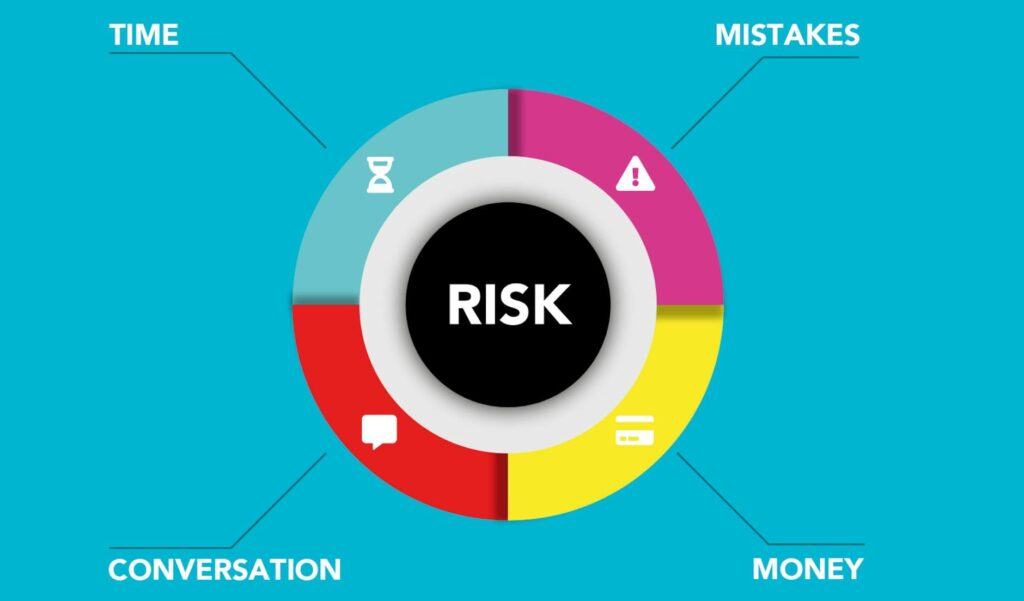
Factors Influencing Injury Claim Settlements
Legal Considerations in Real Life Injury Claim Settlements
When navigating the complex world of personal injury cases, several legal considerations can significantly shape the outcome of injury claim settlements. One of the most critical factors is jurisdictional laws, which may vary widely by state or even by county. For instance, some states follow a comparative negligence rule, which can reduce the compensation amount based on the injured party’s degree of fault. In contrast, other jurisdictions may utilize contributory negligence, barring recovery altogether if the claimant is found even partially at fault.
The strength of evidence also plays a pivotal role in determining claim outcomes. Clear documentation, such as medical records, accident reports, and eyewitness testimonies, can bolster a claimant’s position. For example, a case involving a slip and fall incident with video evidence showing negligence can lead to a more favorable settlement compared to a case lacking substantial proof. A study by the American Journal of Pharmaceutical Education highlighted how strong evidence directly correlates with higher settlement amounts in personal injury claims.
Negotiation Strategies for Successful Real Life Injury Claim Settlements
Effective negotiation strategies are essential for achieving favorable outcomes in injury claims. The role of attorneys cannot be overstated; skilled lawyers often employ tactics that can significantly influence settlement amounts. For instance, presenting a well-prepared case with a clear narrative can persuade insurance adjusters to offer higher settlements. Attorneys may also use psychological tactics, such as anchoring, starting negotiations with a higher initial claim to set the tone for discussions.
Additionally, having a thorough understanding of previous settlement examples can guide negotiations. By comparing similar cases, attorneys can advocate for reasonable compensation based on established precedents. For example, a settlement in a motorcycle accident case can provide a benchmark for negotiating a similar claim, ensuring that the injured party receives appropriate compensation without settling too low.
Ultimately, the interplay of legal considerations and negotiation strategies determines the success of real life injury claim settlements, making it imperative for claimants to seek knowledgeable legal representation as they pursue their cases.

“`html
Common Questions about Real Life Injury Claim Settlements
What to Expect During the Settlement Process?
The journey through a personal injury claim can be complex and often overwhelming for claimants. Understanding what to expect during the settlement process is crucial for managing expectations and preparing for the next steps. Typically, the settlement process begins once you have received medical treatment and your injuries have stabilized. At this point, your attorney will gather evidence, including medical records, accident reports, and witness statements, to build a strong case.
The timeline for settlements can vary significantly based on the specifics of each case, including negotiations with insurance companies and the complexity of the injuries involved. Most personal injury cases settle before going to trial, often within a few months to a year after the incident. According to the Nolo, the average settlement can take anywhere from 6 months to 2 years, depending on various factors.
Throughout this process, communication with your attorney is key. They will keep you informed of any developments and negotiate on your behalf to reach a favorable settlement. Understanding the potential claim outcomes, such as whether to accept a settlement offer or pursue litigation, will also be important as you navigate this journey.

How Are Settlement Amounts Determined in Real Life Injury Claim Settlements?
Settlement amounts in personal injury cases are influenced by several factors, including the severity of injuries, medical expenses, lost wages, and the impact on the claimant’s quality of life. Insurance companies often utilize a formula that considers both economic and non-economic damages to arrive at a settlement figure. Economic damages cover quantifiable losses, such as medical bills and lost income, while non-economic damages encompass pain and suffering.
For example, if a claimant has incurred $50,000 in medical expenses and experiences significant pain and suffering for an extended period, the total settlement may be calculated by adding a multiplier to the economic damages, which could result in a total settlement of $150,000 or more. This approach is commonly seen in many settlement examples where the injuries have long-lasting effects on the victim’s life.
Additionally, factors such as the liability of the other party and the claimant’s willingness to negotiate can significantly affect the final settlement amount. The involvement of an experienced personal injury attorney can help maximize your claim outcomes by ensuring that all damages are adequately accounted for and presented during negotiations.
“`
Real life injury claim settlements can vary significantly based on the specifics of each case. The examples provided illustrate how different factors influence the outcomes of personal injury cases, from the severity of injuries to the circumstances surrounding the incidents. Understanding these settlement examples can equip claimants with the knowledge they need to navigate their own claims more effectively.
If you find yourself in a situation involving a personal injury, consider consulting with a legal expert who can guide you through the process. By examining past claim outcomes and leveraging the experiences of others, you can better prepare for negotiations and pursue fair compensation for your injuries. Take the next step by researching reliable legal resources or contacting a qualified attorney to discuss your potential claim.
“`html
What are real life injury claim settlements?
Real life injury claim settlements refer to the compensation agreements reached between an injured party and an insurance company or negligent party. These settlements typically cover medical expenses, lost wages, and pain and suffering due to an accident or injury. Settlements can vary widely based on the case specifics, including the severity of the injury and the evidence presented. Understanding these settlements helps victims receive fair compensation in personal injury cases.
How do injury claim settlements work?
Injury claim settlements typically begin when a victim files a claim against the responsible party’s insurance. After gathering evidence, medical records, and possibly witness statements, the victim’s attorney will negotiate with the insurance company. A settlement is reached when both parties agree on a compensation amount that addresses medical costs, lost income, and other damages. The process can involve back-and-forth negotiations until a fair agreement is achieved.
What are some examples of personal injury cases?
Personal injury cases can include a range of incidents such as car accidents, slip and fall accidents, medical malpractice, and workplace injuries. Each case varies depending on the circumstances and extent of injuries sustained. For instance, a slip and fall in a grocery store may lead to a settlement for medical bills and pain and suffering, while a car accident might involve compensation for vehicle damage and rehabilitation costs. Each example illustrates the potential for real life injury claim settlements.
What factors influence settlement amounts?
Settlement amounts in personal injury claims are influenced by several factors, including the severity of the injury, medical expenses, lost wages, and the impact on the victim’s quality of life. Additional elements include the strength of the evidence, the liability of the responsible party, and jurisdictional laws. Insurance policy limits can also affect the final settlement. Understanding these factors is crucial for victims seeking fair compensation through real life injury claim settlements.
How long does it take to settle an injury claim?
The duration to settle an injury claim can vary widely, ranging from a few months to several years. Factors affecting the timeline include the complexity of the case, the negotiation process, and whether a lawsuit is filed. Simple cases may reach a settlement quickly, while those involving serious injuries or disputes about liability may take longer. It is essential for victims to remain patient and work closely with their attorney throughout the process.
What are the common outcomes of personal injury claims?
Common outcomes of personal injury claims include settlements, where the injured party receives compensation without going to trial, or court verdicts, where a judge or jury determines the compensation amount. Some cases may also result in partial settlements, where the victim receives compensation for certain damages while disputing others. Understanding potential claim outcomes helps individuals make informed decisions about pursuing their cases and negotiating real life injury claim settlements.
“`