
Understanding medical expenses in your injury claim is crucial for securing the compensation you deserve. When filing a medical expenses injury claim, accurately calculating medical costs is essential as it directly impacts your potential recovery. This article will guide you through the intricacies of personal injury expenses, detailing how to assess and document your injury claim medical bills effectively. We will explore the various types of medical expenses you may encounter, the significance of precise calculations, and strategies for filing your claim with these expenses in mind. Additionally, we will discuss the broader implications of medical costs on the overall success of your personal injury claim. By the end of this article, you will have a comprehensive understanding of how to maximize your compensation through precise reporting of medical expenses. For further reading, consider checking out resources like Nolo’s guide on medical expenses and LegalInfo’s overview of injury claims.
Understanding Medical Expenses in Your Injury Claim
What Are Medical Expenses in an Injury Claim?
Medical expenses are a crucial part of any injury claim, as they encompass various costs incurred due to an injury. These costs typically include hospital bills, therapy sessions, medication, and any necessary medical equipment. When pursuing a medical expenses injury claim, it is essential to document all related expenditures meticulously. Accurate records not only help in calculating medical costs but also strengthen the validity of your claim.
For instance, if you have undergone surgery, your hospital bills will represent a significant portion of your personal injury expenses. Additionally, ongoing treatments, like physical therapy or chiropractic care, add up over time and must be included in your claim. Prescription medications and assistive devices, such as crutches or wheelchairs, also contribute to the total medical expenses you can claim.
The Role of Medical Bills in Personal Injury Cases
Medical bills play a vital role in personal injury cases, as they provide concrete evidence of the financial impact of your injuries. Insurers often scrutinize these bills to determine compensation amounts. Therefore, it is crucial to ensure that all injury claim medical bills are accurately documented and categorized.
In addition to direct medical expenses, consider any future medical needs that may arise from your injury. Future treatment costs can add significant value to your claim, making it essential to discuss these projections with healthcare professionals. This comprehensive approach not only assists in calculating medical costs but also ensures that your claim reflects the full extent of your injuries.

Ultimately, understanding the intricacies of your medical expenses injury claim will enable you to maximize your compensation and ensure that all necessary costs are accounted for. Keep thorough documentation and consult with professionals to navigate the complexities of your claim effectively.
Calculate Future Medical Expensesfor Your Injury Claim
Understanding the Injury Claim Settlement Process The Role of Medical Documentation in Injury Claims The Role of Medical Records in Your Injury Claim How Medical Records Impact Your Injury Claim CalculationCalculating Medical Costs for Your Injury Claim
Types of Medical Expenses You Can Claim
When filing an injury claim, understanding the various types of medical expenses injury claim can cover is essential. Typically, these expenses fall into several categories:
- Emergency Care: This includes costs associated with immediate medical attention after an accident. Emergency room visits, ambulance fees, and initial diagnostic tests are included.
- Ongoing Treatment: This encompasses follow-up appointments, surgeries, medication, and any necessary medical supplies related to your injury.
- Rehabilitation: Many injuries require physical therapy or rehabilitation services. These costs can be significant and should be documented meticulously.
Each of these categories contributes to the overall medical expenses you can claim, making it crucial to keep detailed records of all related costs. For more information on personal injury expenses, consult Understanding Medical Records in Injury Claims.
How to Keep Track of Your Medical Expenses
Accurate record-keeping is vital when calculating medical costs for your injury claim. Here are some actionable tips:
- Maintain Detailed Records: Keep all bills, receipts, and statements related to your injury claim medical bills. Organize them by date and type of service.
- Use a Spreadsheet: Create a spreadsheet to log your expenses. Include columns for the date, type of service, provider, and amount paid. This will help you visualize your total costs more easily.
- Document Future Expenses: Anticipate ongoing medical needs and estimate potential future costs, especially for rehabilitation or long-term treatment.
- Consult with Professionals: If you’re unsure about any costs or how to calculate them, consider speaking with a personal injury attorney or a financial advisor specializing in injury claims.
Taking these steps will not only assist you in calculating medical costs accurately but also strengthen your claim as you navigate the complexities of your injury case. For further insights, refer to Injury Claim Calculation Checklist: Essential Components.

The Impact of Medical Expenses on Your Personal Injury Claim
How Medical Expenses Affect Your Claim Value
In the context of a personal injury claim, the total amount of medical expenses plays a crucial role in determining the value of your case. Medical expenses injury claim calculations typically include hospital bills, rehabilitation costs, and ongoing treatment expenses. These figures become pivotal in establishing the extent of your damages and, consequently, the compensation you may receive.
As you gather your personal injury expenses, be meticulous in documenting each cost. This includes not only direct medical bills but also any related costs such as transportation for medical appointments and out-of-pocket expenses for medications. The more comprehensive your documentation, the stronger your claim will be.
Furthermore, insurance companies often evaluate the medical expenses associated with your injury when determining settlement offers. Higher medical expenses can lead to increased compensation, while incomplete or poorly documented expenses may result in lower offers. Therefore, accurately calculating medical costs is essential for maximizing your claim’s value.
Negotiating Medical Bills with Providers
Once you’ve incurred medical expenses related to your injury, it is often beneficial to negotiate these bills with your healthcare providers. Many hospitals and clinics have financial assistance programs or are willing to reduce fees if you can demonstrate financial hardship. Approaching them with a clear understanding of your situation can lead to significant reductions in your injury claim medical bills.
To effectively negotiate, consider the following strategies:
- Request an itemized bill to identify any errors or unnecessary charges.
- Inquire about payment plans or discounts for upfront payments.
- Be honest about your financial situation and ask if they can offer a reduced rate.
Working collaboratively with your healthcare providers not only helps in reducing medical costs but can also positively impact your overall medical expenses injury claim by ensuring that your expenses are manageable and accurately represented in your claim.
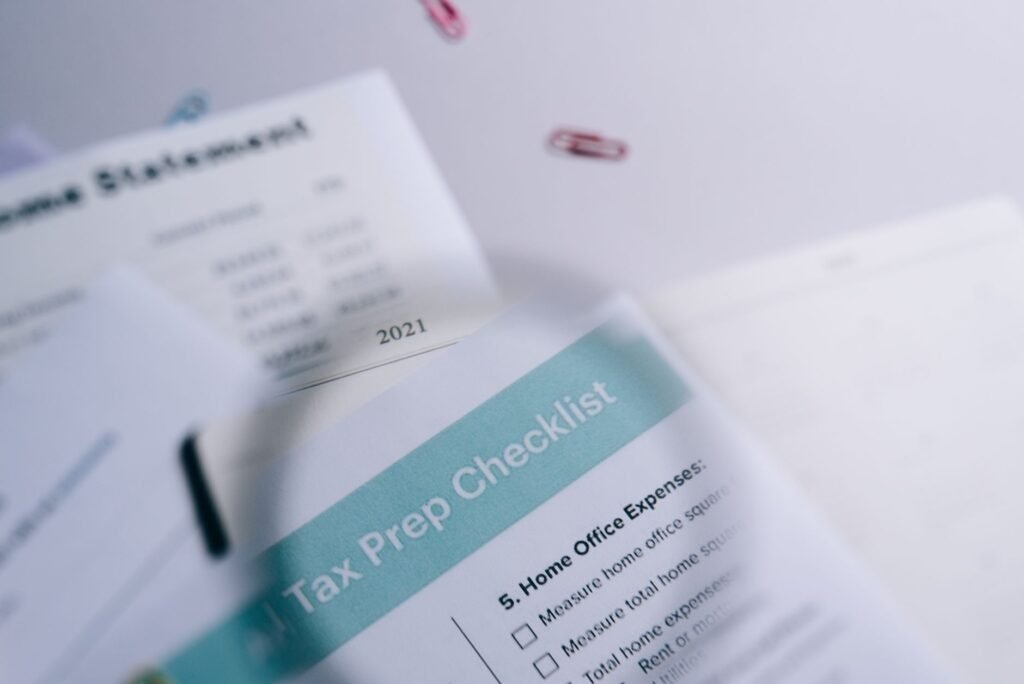
Filing Your Injury Claim with Medical Expenses
When navigating the complexities of a personal injury claim, one of the most critical components is accurately filing your medical expenses injury claim. This involves a systematic approach to organizing and submitting your medical bills, ensuring that you receive fair compensation for your injuries.
The Process of Submitting Medical Bills
To successfully include your medical expenses in your injury claim, you should follow these essential steps:
- Gather Documentation: Collect all relevant medical records, bills, and receipts associated with your treatment. This includes hospital bills, doctor’s notes, and any prescriptions.
- Itemize Costs: Create a detailed breakdown of your personal injury expenses, including each service rendered and its associated cost. This will help in calculating medical costs accurately.
- Submit to Insurer: Present your organized documentation to the insurance company handling your claim. Ensure that you follow their specific submission guidelines.
- Keep Copies: Always retain copies of all documents submitted for your records. This is crucial for follow-up and potential disputes.
After submission, monitor the claim’s progress and be prepared to provide additional information if requested. Key Factors Affecting Injury Claim Settlement Amounts

Common Mistakes in Claiming Medical Expenses Injury Claim
Individuals often make several mistakes when filing an injury claim medical bills. Avoid these pitfalls to enhance your chances of a successful claim:
- Inadequate Documentation: Failing to provide comprehensive medical records can lead to delays or denials. Ensure that all relevant bills and records are included.
- Missing Deadlines: Each insurance company has specific time limits for submitting claims. Be aware of these deadlines to avoid losing your right to compensation.
- Ignoring Follow-Ups: Once you’ve submitted your claim, do not neglect to follow up with the insurance company. Regular communication can expedite the process.
- Not Considering Future Expenses: When calculating your claim, consider not just past medical bills but also future medical expenses related to your injury. This can significantly impact the total amount you seek.
By understanding the correct procedures and avoiding common mistakes, you can effectively file your medical expenses injury claim and increase your chances of receiving the compensation you deserve. For more information on related topics, explore our resources on Average Car Accident Settlement Explained and Factors Affecting Injury Claim Outcomes Explained.
Conclusion: Maximizing Your Compensation through Accurate Medical Expense Reporting
Accurately reporting medical expenses in your injury claim is crucial for ensuring you receive the compensation you deserve. Mistakes in documenting personal injury expenses can lead to delays, reduced settlements, or even claim denials. By maintaining precise records, you can significantly enhance the likelihood of a favorable outcome.
When it comes to calculating medical costs, meticulous attention to detail is vital. Every receipt, bill, and report should be meticulously organized. Utilize a dedicated folder, whether physical or digital, to store all relevant injury claim medical bills, including hospital invoices, therapy sessions, and prescription costs. This organization will serve as a comprehensive reference when submitting your claim and can expedite the review process.
Furthermore, staying informed about your rights and the intricacies of the claims process can empower you to advocate for yourself effectively. Understanding how to present your medical expenses injury claim clearly and strategically can make a substantial difference in your case. Consider consulting with a professional who specializes in personal injury law to navigate the complexities of your claim. They can help you understand the nuances of what expenses are compensable and how to best articulate your needs.
Ultimately, maximizing your compensation hinges on your ability to present a well-documented, organized, and comprehensive claim. By following these steps, you can ensure that your injury claim reflects the true extent of your medical expenses and secures the financial support you require for recovery.

Understanding the nuances of your medical expenses injury claim is crucial for navigating the complexities of personal injury law. By accurately calculating medical costs and documenting all related personal injury expenses, you can build a stronger case for your claim. It is essential to keep detailed records of your injury claim medical bills, as these will serve as vital evidence in support of your financial needs stemming from the injury.
To effectively manage your medical expenses injury claim, consider consulting with a legal expert who specializes in personal injury cases. They can assist you in understanding your rights and help ensure that all your medical expenses are accounted for. Taking this proactive step can significantly impact the outcome of your claim and provide you with the necessary clarity as you pursue compensation for your injuries.
“`html
What medical expenses can I claim in an injury case?
In an injury case, you may claim various medical expenses, including hospital bills, surgical costs, rehabilitation fees, and any necessary medical equipment. It also covers ongoing treatments, such as physical therapy and prescription medications. Make sure to keep all receipts and documentation, as they will be crucial in substantiating your medical expenses injury claim.
How do I calculate my medical costs for an injury claim?
Calculating medical costs for an injury claim involves aggregating all incurred expenses related to your injury. Start by collecting bills from healthcare providers, including hospital stays, doctors’ visits, medications, and therapy sessions. You should also consider future medical expenses that may arise. Accurate calculations are essential for ensuring your claim reflects the true cost of your injuries.
What types of personal injury expenses are covered?
Personal injury expenses that are typically covered include medical bills, lost wages, rehabilitation costs, and costs for home care or modifications. Additionally, you may also claim for pain and suffering, emotional distress, and other related expenses. It’s essential to document everything to support your claim effectively.
How do injury claim medical bills affect my claim?
Injury claim medical bills play a crucial role in determining the value of your claim. They serve as concrete evidence of the financial impact your injury has had on your life. Insurers will closely examine these bills to assess liability and the extent of damages. Proper documentation and presentation of these bills can significantly influence the outcome of your claim.
Can I negotiate my medical bills during an injury claim process?
Yes, you can negotiate your medical bills during an injury claim process. Many healthcare providers are willing to reduce the amount owed, especially if you explain your situation. This can help lower your overall expenses and enhance the compensation you receive from your claim. It’s advisable to initiate these discussions as soon as possible.
What are common mistakes to avoid when filing medical expenses in a claim?
Common mistakes to avoid include failing to keep detailed records of all medical expenses, not obtaining itemized bills, and overlooking future medical costs. Additionally, some claimants may underestimate the value of pain and suffering or neglect to seek legal advice. Avoiding these pitfalls can strengthen your medical expenses injury claim and improve your chances of a successful outcome.
“`