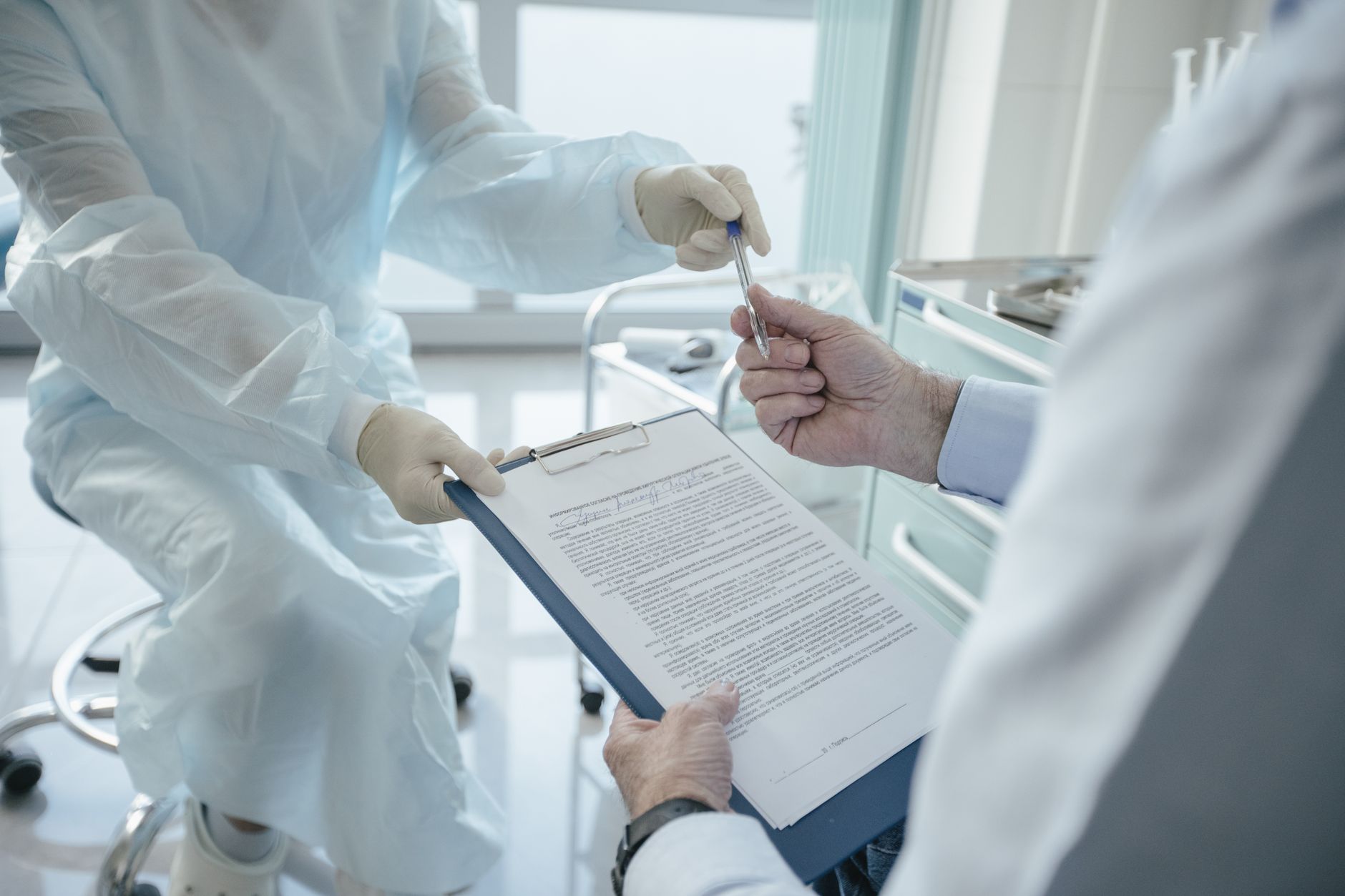
The role of medical documentation in injury claims cannot be overstated. Proper medical documentation injury claims is a critical component that significantly influences the outcome of claims for compensation following accidents and injuries. This article delves into the various aspects of medical documentation, highlighting its importance in establishing the validity of injury claims. By examining the types of medical documentation necessary for injury claims, the process of gathering these records, and the potential challenges involved, readers will gain a comprehensive understanding of this essential topic. Additionally, we will explore how strong medical documentation serves as compelling medical evidence in an injury claim, ultimately affecting the settlement process. Understanding the importance of medical records not only aids in the claim process but also empowers injured parties by equipping them with the knowledge needed to navigate their claims efficiently. For further insights on the significance of thorough injury claim documentation, stay tuned as we unpack each element in detail.
Understanding Medical Documentation in Injury Claims
What is Medical Documentation?
Medical documentation refers to the comprehensive records created by healthcare professionals during the assessment, diagnosis, and treatment of a patient. This documentation includes notes on medical history, examination findings, diagnostic tests, treatment plans, and follow-up care. In the context of medical documentation injury claims, these records serve as essential evidence to support the legitimacy of claims made by injured individuals seeking compensation.
The Importance of Medical Records in Injury Claims
The importance of medical records in injury claims cannot be overstated. Proper medical documentation plays a crucial role in establishing the extent of injuries sustained and the necessary medical treatment. Accurate records provide vital medical evidence for an injury claim, allowing claimants to substantiate their claims effectively.
According to the Nolo, claims supported by thorough documentation have a significantly higher success rate. Studies indicate that approximately 90% of well-documented claims are resolved favorably for the claimant, compared to only 50% of those lacking sufficient medical evidence. This underscores the necessity of maintaining organized and detailed injury claim documentation.
having robust medical documentation not only aids in validating the injury but also streamlines the claims process, ensuring that claimants receive the compensation they deserve. Properly maintained medical records are indispensable assets in navigating the complexities of injury claims, making them a priority for anyone involved in such cases. For more on navigating the claims process, refer to The Importance of Medical Documentation in Injury Claims.
Types of Medical Documentation Necessary for Injury Claims
Common Types of Medical Records
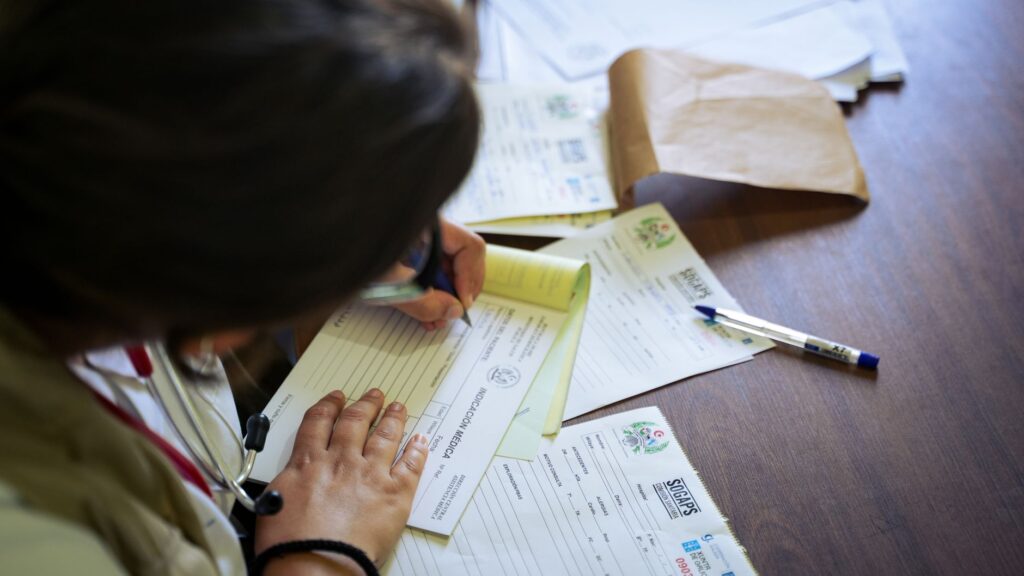
When pursuing injury claims, the medical documentation injury claims rely heavily on various types of medical records. Key documents include:
- Treatment Records: Detailed accounts of the care provided, including dates, types of treatment, and healthcare professionals involved.
- Diagnostic Results: Imaging studies (like X-rays or MRIs), lab tests, and other assessments that provide objective evidence of injuries.
- Medical History: Comprehensive records that outline pre-existing conditions, previous injuries, and overall health status, which can influence claims.
- Expert Reports: Evaluations or opinions from specialists that clarify the extent of injuries and necessary treatment, often critical in substantiating claims.
The importance of medical records cannot be understated, as they serve as the foundation for your injury claim documentation.
What Constitutes Medical Evidence in Injury Claims?
Medical evidence is crucial for establishing the validity of an injury claim. It includes any documentation that supports your case, such as:
- Clinical notes from healthcare providers documenting symptoms and treatment plans.
- Progress notes that track recovery and rehabilitation.
- Prescription records showing medication prescribed for pain or other conditions.
Without proper documentation, claims may face challenges, potentially leading to denials or reduced compensation. For instance, lacking diagnostic results could undermine the argument that an injury occurred due to an accident. It is essential to gather complete injury claim documentation to effectively support your case and ensure a fair resolution.
The Process of Gathering Medical Documentation for Injury Claims
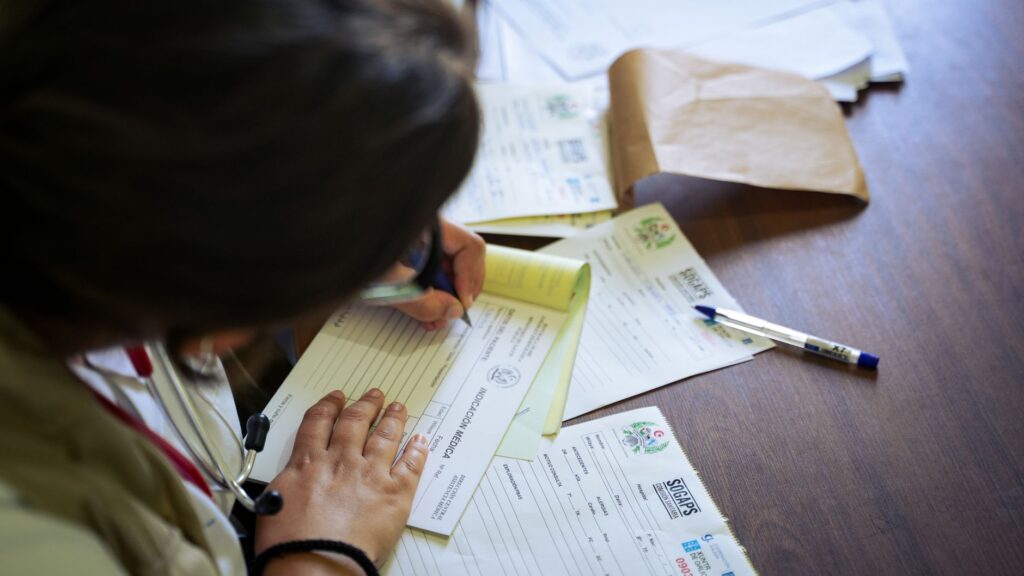
Gathering medical documentation is a critical step in the process of filing injury claims. Proper medical documentation injury claims can significantly influence the outcome of your case. Below, we outline essential steps to collect necessary medical records and ensure that your medical evidence supports your claim effectively.
Steps to Collect Essential Medical Records
- Identify Necessary Documents: Start by determining which medical records are pertinent to your injury claim. This may include hospital records, treatment notes, diagnostic tests, and prescriptions.
- Contact Healthcare Providers: Reach out to doctors, hospitals, and clinics that provided treatment. Be clear about what documents you need and why. Providing a signed release form can expedite the process.
- Keep Detailed Records: Maintain a log of all communications with healthcare providers, including dates, names, and what was discussed. This will help you track progress and follow up as needed.
- Request Timely Delivery: Ask for your documents to be sent directly to you or your attorney. Ensure all records are complete and legible.
Understanding the importance of medical records cannot be overstated. These documents provide the essential evidence necessary for substantiating your injury claim.
How to Ensure Medical Evidence Supports Your Claim
- Organize Your Documentation: Create a systematic filing method for your medical records. This will help you present a clear and coherent case.
- Consult Legal Experts: Work closely with your attorney to ensure that all medical evidence injury claim components are aligned with legal standards. They can guide you on what additional documentation may be required.
- Be Proactive: Regularly follow up with healthcare providers to avoid delays in obtaining crucial documents. Timeliness is key in the claims process.
By following these steps, you can effectively gather your injury claim documentation and ensure that your medical evidence strongly supports your case. For additional resources, consider reviewing guidelines from the American Bar Association or consult The Role of Medical Records in Injury Claims for further assistance.

Challenges in Medical Documentation and Injury Claims
Medical documentation plays a crucial role in the success of injury claims, yet several challenges can hinder the process. Incomplete records, delays in obtaining necessary documents, and discrepancies in medical findings can all complicate the claims process. Understanding these issues is vital for both claimants and their representatives to ensure a strong case.
Common Issues with Medical Evidence
One of the primary challenges in medical documentation injury claims is the occurrence of incomplete records. For instance, healthcare providers may fail to document all relevant details about an injury, such as the mechanism of injury or the full extent of treatment provided. This lack of comprehensive medical evidence can weaken an injury claim. Additionally, delays in obtaining medical records can frustrate claimants and hinder timely claims processing. A study from the National Center for Biotechnology Information highlights that timely access to medical records is critical for effective claims management.
Addressing Gaps in Injury Claim Documentation
To overcome these challenges, claimants should proactively gather and organize all medical documentation related to their injuries. This includes not only treatment records but also any diagnostic tests and physician notes. Establishing clear communication with healthcare providers can ensure that all necessary details are documented appropriately. If discrepancies arise in medical findings, it can be beneficial to seek a second opinion or consult with a medical expert to clarify any uncertainties. Utilizing a structured approach to injury claim documentation can significantly enhance the chances of a successful outcome.
For more insights into managing the challenges of medical documentation, refer to our How Medical Bills Settlement Affects Injury Claims article.

The Impact of Strong Medical Documentation on Injury Claims
How Medical Documentation Affects Claim Outcomes
Strong medical documentation plays a crucial role in the success of injury claims. Insurance companies rely heavily on medical evidence injury claim to assess the validity and extent of the injuries claimed. Comprehensive medical records not only provide a clear picture of the medical condition but also establish a direct link between the injury and the incident in question.
For instance, a recent study published by Insurance Journal highlighted that claims supported by detailed medical records are 40% more likely to receive full compensation than those with inadequate documentation. This statistic underscores the importance of medical records, as they can significantly influence the outcome of negotiations and settlements.
Successful Case Studies Highlighting Medical Evidence in Injury Claims
Examining successful case studies reveals how effective injury claim documentation can sway the results of claims. In one notable case, a claimant who suffered a car accident had meticulously maintained records of doctor visits, treatment plans, and rehabilitation notes. When the insurance company attempted to minimize the claim, the extensive medical documentation presented a compelling narrative, leading to a settlement that exceeded initial expectations.
Another example involved a workplace injury where the employee had consistent medical evaluations recorded. This documentation not only substantiated the claim but also helped in negotiating a fair compensation package, illustrating how medical documentation injury claims can directly impact financial outcomes. For more detailed analyses, refer to Understanding Medical Bills in Your Injury Claim.
maintaining thorough medical documentation is vital for anyone pursuing an injury claim. It provides the necessary medical evidence that supports the claim and can lead to more favorable compensation outcomes.

Conclusion: The Essential Role of Medical Documentation in Injury Claims
Thorough medical documentation is vital for successfully navigating injury claims. The importance of medical records cannot be overstated; they serve as a foundation of evidence that substantiates the extent and impact of injuries sustained. Without comprehensive medical evidence, an injury claim may lack the necessary support to ensure a fair outcome. Proper documentation aids not only in establishing the nature of injuries but also in demonstrating their direct link to the incident in question.
To ensure you have the necessary records and evidence for your medical documentation injury claims, consider these actionable steps:
- Keep detailed records: Document all medical visits, treatments, and prescriptions related to your injury.
- Request copies of medical records: Obtain your medical records promptly and ensure they are complete.
- Maintain a symptom journal: Track how your injury affects your daily life, including pain levels and any limitations.
- Consult healthcare professionals: Discuss your injury with your doctors to understand the full scope and obtain expert opinions.
Should you find the process overwhelming or complicated, reaching out for professional legal assistance is advisable. Legal experts can provide invaluable support in navigating the intricate landscape of injury claim documentation, ensuring that all necessary medical evidence is appropriately compiled and presented. Explore your options for legal aid here: Medical Bills in Your Injury Claim Calculation. For further resources, LawHelp offers guidance on finding legal assistance in your area.
By prioritizing proper medical documentation, you strengthen your case and enhance your chances of a successful recovery. Taking these steps can make a significant difference in the outcome of your medical evidence injury claim.

Understanding the importance of medical records is crucial for anyone pursuing an injury claim. Accurate and detailed medical documentation not only supports your case but also serves as essential medical evidence for your injury claim. When compiling your injury claim documentation, ensure that all relevant medical reports, treatment notes, and diagnostic results are included, as they can significantly impact the outcome of your claim.
By prioritizing comprehensive medical documentation, you enhance your chances of a successful resolution in your injury claims. It is advisable to consult with a legal professional who can guide you on how to effectively gather and present your medical evidence for an injury claim. Taking this proactive step can make a significant difference in the claims process, ensuring that your rights are protected and that you receive the compensation you deserve.
“`html
What is the importance of medical records in injury claims?
Medical records play a crucial role in injury claims as they provide objective evidence of your injuries and treatment. They help establish a direct link between the injury and the incident, which is essential for validating your claim. The importance of medical records cannot be overstated; without them, it can be challenging to prove the severity and impact of your injuries on your life.
How does medical documentation affect injury claim outcomes?
Medical documentation significantly affects injury claim outcomes by providing credible evidence to support your case. Insurers rely on this documentation to assess the validity of your claim and determine compensation amounts. Comprehensive and accurate medical records can lead to favorable outcomes, while insufficient documentation may result in claim denial or reduced compensation.
What types of medical evidence are needed for an injury claim?
For a successful injury claim, various types of medical evidence are needed, including medical records, treatment plans, diagnostic reports, and expert opinions. Photographs of injuries and any prescriptions or medication records can also be beneficial. Collectively, this medical evidence supports your claim and demonstrates the extent of your injuries and their impact on your daily life.
How can I collect medical documentation for my injury claim?
To collect medical documentation for your injury claim, start by requesting copies of your medical records from healthcare providers. Ensure you have consent forms filled out if required. Additionally, keep a detailed account of all medical treatments, including dates and types of care received. This organized approach will help you present a comprehensive case when filing your claim.
What challenges might I face with injury claim documentation?
One challenge you might face with injury claim documentation is obtaining complete and timely medical records. Providers may have delays in processing requests or might not include all relevant details. Additionally, discrepancies in medical records or inadequate documentation can weaken your case. Being proactive in managing your medical records is essential to avoid these challenges.
How do I ensure my medical evidence supports my injury claim?
To ensure your medical evidence supports your injury claim, keep thorough and accurate records of all medical visits and treatments. Always follow your healthcare provider’s recommendations and document any changes in your condition. Additionally, consider working with an attorney who specializes in medical documentation injury claims to guide you in presenting your evidence effectively.
“`