
When utilizing an injury claim calculator, many users unknowingly fall into common traps that can lead to significant mistakes injury claim calculator users make. These errors can distort the calculated compensation and potentially hinder the recovery process after an accident. From calculator pitfalls that stem from misunderstanding the results, to personal injury mistakes such as failing to update information, each misstep can have serious implications. This article explores five key mistakes that injury claim calculator users often make, shedding light on the nuances of the calculation process and the importance of accurate data input. Additionally, we will discuss legal considerations that come into play and offer best practices for effectively utilizing an injury claim calculator. For those seeking a more accurate assessment, understanding these common injury claim errors is essential. Read on to ensure you navigate the claims process with confidence and accuracy.
“`html
Common Mistakes Injury Claim Calculator Users Make
When utilizing an injury claim calculator, users often fall into several common pitfalls that can lead to inaccurate estimates of their claims. Understanding these mistakes injury claim calculator users make can help you avoid costly errors and ensure a more accurate representation of your situation.
Ignoring Important Variables
One of the most significant personal injury mistakes users make is overlooking key variables such as medical expenses, lost wages, and emotional distress. Many calculators require input on these factors, but users sometimes provide incomplete or overly simplified information. For instance, failing to account for ongoing medical treatments can drastically underestimate the true cost of recovery.
Moreover, emotional distress, which can have a profound impact on a victim’s life, is often undervalued or ignored. This can lead to significant injury claim errors that do not reflect the full scope of damages experienced. A comprehensive view of your situation is crucial for an accurate claim calculation.
Relying Solely on the Calculator
Another common mistake is placing too much reliance on the calculator itself. While these tools can provide a quick estimate, they cannot replace professional legal advice or a thorough understanding of your case. Users often forget that calculators are based on general data and may not account for unique circumstances that could affect the claim amount.
Even the best calculators cannot replace the nuanced understanding that a lawyer or claims adjuster can bring to your situation. Therefore, it’s essential to use the calculator as a starting point rather than the final word in your claim estimation. For best results, combine your calculator findings with professional guidance to avoid common calculator pitfalls.
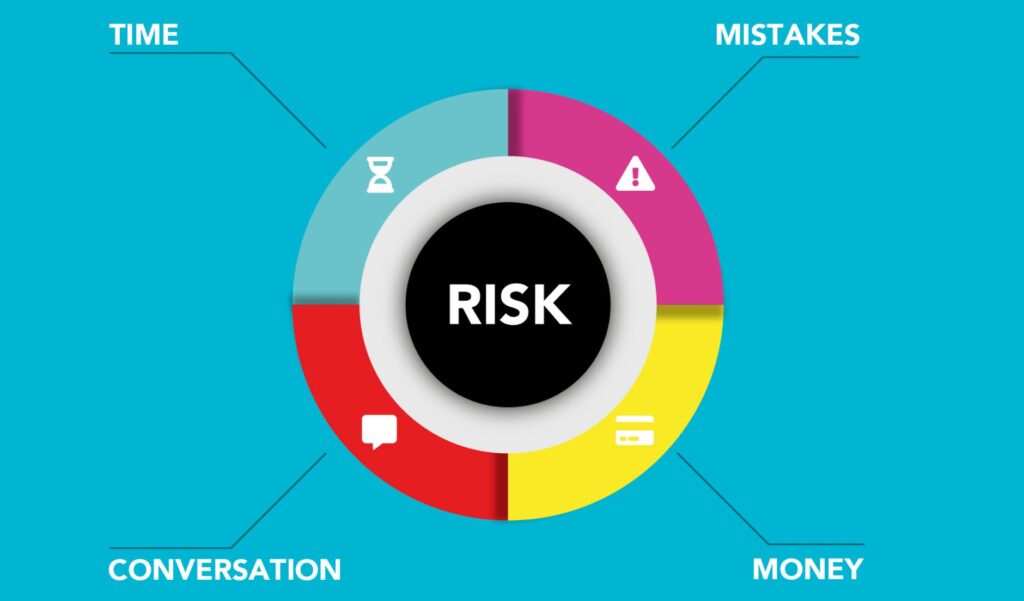
By being mindful of these issues, you can better navigate the complexities of your injury claim and ensure that you are not falling victim to the prevalent mistakes injury claim calculator users often make. For additional insights on personal injury claims, consider consulting with an experienced attorney who can provide tailored advice based on your unique situation.
“`
Calculator Pitfalls: Misunderstanding the Results
When using an injury claim calculator, one of the most common mistakes injury claim calculator users make is misinterpreting the results. These tools can provide a quick estimate of potential compensation, but they often lack the nuance required for accurate assessments. Understanding these calculator pitfalls is crucial to avoid costly personal injury mistakes.
Overestimating Value
One significant issue is overestimating the value of a claim based on generic outputs. Many calculators use broad data sets that may not reflect the specifics of your unique situation. For example, if a calculator suggests a claim value of $100,000 based on average injury costs, this figure could be misleading if your injuries are less severe or if liability is in question. Overconfidence in these figures can lead to unrealistic expectations and hinder negotiations with insurance companies.
Neglecting to Review Case Specifics
Another common error is neglecting to consider case-specific details that can dramatically influence the outcome. Factors such as pre-existing conditions, the severity of the injury, and the jurisdiction’s laws can all affect compensation. Relying solely on a calculator without a thorough review of these elements can result in significant injury claim errors. For instance, a user might overlook the impact of comparative negligence laws, which could reduce their potential compensation if they are found partially at fault.
To mitigate these risks, users should always supplement calculator results with thorough research and consultation with legal professionals. This approach helps to ensure a more accurate understanding of potential outcomes and leads to better-informed decisions when pursuing an injury claim. By being aware of the mistakes injury claim calculator users frequently make, you can navigate the claims process more effectively.

Personal Injury Mistakes: Failing to Update Information
When using an injury claim calculator, one of the most significant mistakes injury claim calculator users make is failing to update their information regularly. This oversight can lead to inaccurate estimations of the compensation they may receive, which can ultimately impact their financial recovery after an accident.
Not Accounting for Changes in Medical Condition
Your health can change drastically over the course of your recovery. New symptoms may arise, or existing conditions may worsen. These changes can affect not only your current medical expenses but also your long-term prognosis. For instance, if you develop chronic pain or require additional treatments, these factors must be incorporated into your claim calculations. Failing to account for these changes is one of the common personal injury mistakes that can lead to significant underestimation of your claim value.
Forgetting to Include Future Expenses
Another critical area where users make injury claim errors is in neglecting to factor in future medical expenses. Your injury may necessitate ongoing treatments, rehabilitation, or even future surgeries. If your calculator estimates do not include these potential costs, you may find yourself underprepared financially. Regularly updating your calculator with new information, including future expenses, ensures a more accurate and realistic claim estimate.
To avoid these calculator pitfalls, it’s essential to revisit your injury claim calculator periodically, especially after any medical appointments or significant changes in your condition. Keeping your information current can help you achieve a fair assessment of your claim and secure the compensation you rightfully deserve.

Regularly updating your information and staying informed about your health status is crucial in navigating the complexities of personal injury claims. By acknowledging these changes and adjusting your claims accurately, you can mitigate the common mistakes injury claim calculator users make and ensure you are on the right path to recovery.
Common Mistakes Using Injury Claim Calculator Mistakes Using Injury Claim Calculator: Avoid These Errors Injury Claim Calculator Mistakes to Avoid Avoid These Injury Claim Calculator Mistakes Avoid These Mistakes Using an Injury Claim Calculator Avoid These Common Mistakes in Injury Claim Calculation Common Mistakes Using Injury Claim Calculator Common Mistakes Injury Claim Calculator Users Make Steps After Injury Claim: Your Guide to Success Factors Affecting Injury Claim Settlements Explained Using an Injury Claim Calculator for Compensation Estimates Common Mistakes When Filing an Injury ClaimLegal Considerations: Mistakes Injury Claim Calculator Users Make
When utilizing an injury claim calculator, many users overlook crucial legal considerations that can significantly impact their claims. Understanding these mistakes injury claim calculator users often make can help ensure a more accurate assessment of potential compensation.
Underestimating Legal Fees
One of the most common injury claim errors is failing to account for legal fees when calculating potential compensation. Many users assume that the figure provided by the calculator is the total amount they will receive, but this is rarely the case. Legal representation can be essential in navigating the complexities of personal injury claims, and these attorneys typically charge a percentage of the settlement amount, often ranging from 25% to 40%. Therefore, it is crucial to factor in these costs to get a realistic understanding of what you may take home.
To avoid this calculator pitfall, consider consulting with a personal injury attorney who can provide a detailed breakdown of potential legal costs and how they may affect your overall claim. This can help you make more informed decisions about pursuing your case and understanding the true value of your claim.
Ignoring State-Specific Laws
Another significant mistake involves neglecting the nuances of state-specific laws that can influence your claim. Personal injury laws vary considerably across different jurisdictions, affecting everything from the statute of limitations to comparative negligence rules. For instance, some states follow a “pure comparative negligence” rule, meaning your compensation can be reduced based on your percentage of fault, while others might have a “modified” approach.
By overlooking these legal distinctions, users may misinterpret the results from an injury claim calculator, leading to unrealistic expectations regarding their claims. To mitigate this risk, it is advisable to seek legal counsel familiar with the laws in your state. They can provide essential insights and help clarify how local regulations may impact your case outcomes.
understanding the legal aspects of your personal injury claim is paramount. By recognizing the mistakes injury claim calculator users commonly make, such as underestimating legal fees and ignoring state-specific laws, you can better prepare for the challenges ahead. Consulting with a qualified attorney is a proactive step toward avoiding these pitfalls and ensuring your claim is handled properly.

Best Practices for Using an Injury Claim Calculator
While injury claim calculators can be helpful tools, avoiding common mistakes injury claim calculator users make is crucial for obtaining accurate estimates. Here are two best practices that can significantly improve your experience and outcomes.
Gather Comprehensive Information
One of the primary reasons for injury claim errors is incomplete or inaccurate information. To ensure the calculator provides a reliable estimate, gather all relevant documents and data, including:
- Medical Records: Collect all medical documentation related to your injury, including treatment history, diagnoses, and prescriptions.
- Accident Reports: Obtain police or accident reports that detail the circumstances of your incident.
- Insurance Information: Gather details of any insurance policies that may apply, including coverage limits.
- Financial Records: Include any lost wages, medical bills, and additional expenses directly associated with your injury.
Having this comprehensive information at hand will help reduce calculator pitfalls and yield a more accurate assessment of your claim.
Consult with Professionals to Avoid Mistakes Injury Claim Calculator Users Make
Consulting with legal or medical professionals can provide insights that calculators may overlook. A personal injury attorney can help interpret your specific situation and provide guidance based on their experience with similar cases. Similarly, a healthcare provider can clarify the extent of your injuries and their potential long-term effects.
By leveraging professional expertise, you can avoid common personal injury mistakes and ensure your claim reflects the true value of your damages. This collaborative approach not only enhances your understanding of the claim process but also empowers you to make informed decisions about your case.

Utilizing these best practices can help you navigate the complexities of injury claims more effectively, leading to more favorable outcomes.
Being aware of the mistakes injury claim calculator users commonly make can significantly improve the accuracy of your claims. Many individuals fall victim to calculator pitfalls that lead to injury claim errors and, ultimately, less favorable outcomes. By taking the time to understand these common personal injury mistakes, you can enhance your chances of receiving fair compensation.
To navigate the complexities of injury claims effectively, consider seeking professional assistance or consulting resources that provide guidance on using these calculators correctly. This proactive approach will not only help you avoid the common pitfalls but also ensure that your claim reflects the true extent of your injuries and losses. By educating yourself and staying informed, you can make better decisions and secure the compensation you deserve.
“`html
What are common mistakes people make with injury claim calculators?
Common mistakes injury claim calculator users make include entering inaccurate information, such as incorrect injury details or financial data. Many users overlook specific expenses related to their injury, which can lead to miscalculations. Additionally, some individuals may rely solely on the calculator’s output without understanding its limitations. They might not consider the unique aspects of their case, such as long-term effects or ongoing medical expenses, which can skew results.
How can I avoid injury claim errors when using a calculator?
To avoid injury claim errors, double-check all information you input into the calculator. Be thorough in documenting all medical expenses, lost wages, and other damages. It’s also wise to consult multiple calculators to compare results. Understanding the assumptions behind each tool can help you interpret the results more accurately. Lastly, consider seeking professional advice to ensure you are on the right track.
What calculator pitfalls should I be aware of?
Calculator pitfalls include relying too heavily on the results without context. Many calculators provide estimates based on averages, which may not apply to your specific situation. Users may also ignore other factors, such as emotional distress or future medical needs, leading to underestimating their claim’s value. It’s crucial to remember that these tools are guides, not definitive answers.
Are injury claim calculators reliable?
While injury claim calculators can provide a useful estimate of potential compensation, they are not fully reliable. Their accuracy depends on the quality of the data entered and the assumptions made by the calculator’s algorithms. They can serve as a starting point, but the complexities of personal injury claims often require professional legal advice for a more precise assessment.
What personal injury mistakes do people often make?
Common personal injury mistakes include underreporting injuries, neglecting to document all related expenses, and missing deadlines for filing claims. Some individuals may also rush to settle their claims without fully understanding their rights or the true extent of their injuries. Failing to seek legal counsel can lead to inadequate compensation, as many overlook the nuances of their case.
Should I consult a lawyer when using an injury claim calculator?
Consulting a lawyer when using an injury claim calculator is highly advisable. A legal expert can help interpret the calculator’s results in the context of your specific situation, ensuring you don’t miss critical aspects of your claim. They can also assist in gathering necessary documentation and navigating the complexities of the claims process, ultimately leading to a more favorable outcome.
“`