
Understanding the factors injury claim settlement is crucial for anyone navigating the complex world of personal injury law. Various elements influence the final amount you may receive, from the strength of your medical documentation to the negotiation strategies employed during settlement discussions. In this article, we will delve into the significant settlement factors that can impact your claim, highlighting key determinants of claim value, such as the severity of injuries and the extent of financial losses. We will explore the vital role of medical documentation in establishing your case, as well as the importance of effective negotiation techniques. Additionally, we will discuss how legal representation can greatly influence your claim value and outline common mistakes that could inadvertently lower your settlement. By understanding these elements, you can take proactive steps to maximize your personal injury settlement. Stay with us as we break down these essential components and arm you with the knowledge to navigate your injury claim with confidence.
Understanding the Factors Injury Claim Settlement
When pursuing a personal injury settlement, understanding the various factors injury claim settlement becomes crucial. These factors can significantly influence the amount you may receive and can help shape your strategy for negotiations. Each case is unique, but several key settlement factors consistently play a vital role in determining the outcome of your claim.
What Are the Key Settlement Factors?
Several elements come into play when evaluating an injury claim. The most notable factors include:
- Liability: Establishing who is at fault is the first step. If you are partially responsible, this may reduce your settlement.
- Medical Expenses: The total cost of medical treatment directly impacts the claim value. This includes hospital bills, rehabilitation, and ongoing care.
- Lost Wages: If your injury has caused you to miss work, you can claim for lost income, which can be substantial.
- Pain and Suffering: This subjective measure assesses the emotional and physical distress caused by the injury, often leading to significant settlements.
How Do Claim Value Determinants Work?
Each of the aforementioned settlement factors contributes to what are known as claim value determinants. These determinants help establish the overall settlement amount and are assessed through various means including documentation, expert testimony, and negotiation tactics. Understanding these claim value determinants allows you to make informed decisions about your case. For example, a well-documented medical history can significantly enhance the credibility of your claim, potentially leading to higher compensation.
Moreover, factors such as insurance coverage limits and the willingness of the opposing party to settle can also affect your personal injury settlement. This knowledge empowers you to advocate more effectively for your rights and pursue the compensation you deserve.

The Role of Medical Documentation in Settlement Factors
Importance of Accurate Medical Records
Medical documentation plays a critical role in determining the factors injury claim settlement. Accurate medical records and bills serve as essential evidence in establishing the extent of injuries and the subsequent impact on the victim’s life. These documents not only detail the nature of the injuries but also chronicle the treatment received, which is vital for substantiating claims. Insurance companies and courts rely heavily on this documentation to assess the validity and severity of an injury claim.
To maximize the potential for a favorable settlement, it is crucial to maintain comprehensive and organized medical records. This includes not only treatment records but also notes from physicians, diagnostic results, and any prescribed medications. Such thorough documentation can significantly strengthen the case by providing clear evidence of the injuries sustained and the necessary treatments required.
How Medical Expenses Influence Settlements
The medical expenses associated with an injury directly influence the overall value of a personal injury settlement. High medical bills can serve as powerful claim value determinants, demonstrating the financial impact of the injury on the victim. Insurance adjusters often use these expenses to determine the compensation amount, as they reflect the economic damages incurred due to the injury.
Additionally, future medical expenses should also be considered in the settlement process. If ongoing treatment or rehabilitation is necessary, documenting these anticipated costs can further enhance the claim’s value. Victims should consult with medical professionals to estimate future medical needs, ensuring that all expenses are accounted for in the settlement negotiations.
accurate medical documentation is essential in establishing the factors that affect your injury claim settlement. By ensuring that all medical records and bills are meticulously organized and comprehensive, victims can significantly improve their chances of receiving fair compensation for their injuries.

Negotiating Your Settlement: Key Considerations
Understanding the Factors Injury Claim Settlement
When negotiating your settlement, understanding insurance company strategies is crucial. Insurers often utilize various tactics to minimize payouts. They may downplay the severity of injuries, emphasize contributory negligence, or rush claimants into accepting low offers. Recognizing these strategies can empower you during negotiations and help you advocate for a fair personal injury settlement.
One effective tactic is to document all aspects of your claim thoroughly. This includes medical records, receipts, and witness statements. By presenting a well-organized case, you demonstrate the true value of your claim, which can influence settlement factors like your negotiating leverage. Remember, insurance adjusters are trained to negotiate, so being prepared is essential.
When to Accept or Reject a Settlement Offer
Assessing a settlement offer involves evaluating your claim value determinants, such as medical expenses, lost wages, and pain and suffering. If an initial offer seems insufficient, don’t hesitate to negotiate. Consider the following actionable tips:
- Evaluate Your Needs: Ensure the offer accounts for both current and future expenses related to your injury.
- Consult Professionals: Seek advice from legal professionals who can provide insights into the adequacy of the offer and the settlement process.
- Trust Your Instincts: If you feel pressured to accept a low offer, it’s worth exploring your options for a better settlement.
Negotiation is a critical component in securing fair compensation. By understanding the factors injury claim settlement and employing strategic negotiation tactics, you can significantly improve the likelihood of achieving a satisfactory outcome.

Legal Representation and Its Impact on Your Claim Value
When navigating the complexities of a personal injury claim, one of the most significant factors injury claim settlement is the legal representation you choose. Engaging a skilled personal injury attorney can greatly enhance your chances of receiving a fair settlement. From understanding intricate legal requirements to negotiating effectively with insurance companies, a qualified lawyer plays a pivotal role in determining your claim value.
How a Lawyer Can Maximize Your Settlement
Personal injury attorneys bring a wealth of experience and knowledge that can directly affect your settlement. They understand the claim value determinants that influence how much compensation you might receive. For instance, they can accurately assess the full extent of your damages, including medical expenses, lost wages, and emotional distress, which are often underestimated by individuals without legal training.
Moreover, a lawyer can navigate complex legal issues such as liability and comparative negligence, which can significantly impact the outcome of your case. Their negotiation skills are invaluable when dealing with insurance adjusters, who often aim to minimize payouts. Studies show that individuals represented by attorneys tend to receive higher settlements than those who represent themselves, highlighting the importance of professional representation in personal injury settlements. Factors Affecting Injury Claim Settlements Explained
Choosing the Right Personal Injury Attorney
Selecting the right attorney is crucial for maximizing your claim’s potential. Here are some tips to consider:
- Experience: Look for attorneys who specialize in personal injury law and have a proven track record of successful settlements.
- Client Reviews: Research testimonials and reviews from past clients to gauge their satisfaction and the attorney’s effectiveness.
- Communication: Choose an attorney who communicates clearly and promptly, keeping you informed throughout the process.
- Fees: Understand their fee structure; most personal injury attorneys work on a contingency fee basis, meaning they only get paid if you win.
By carefully selecting your legal representation, you can significantly impact the factors that affect your injury claim settlement, ultimately leading to a more favorable outcome. Top Factors Affecting Your Injury Claim Settlement
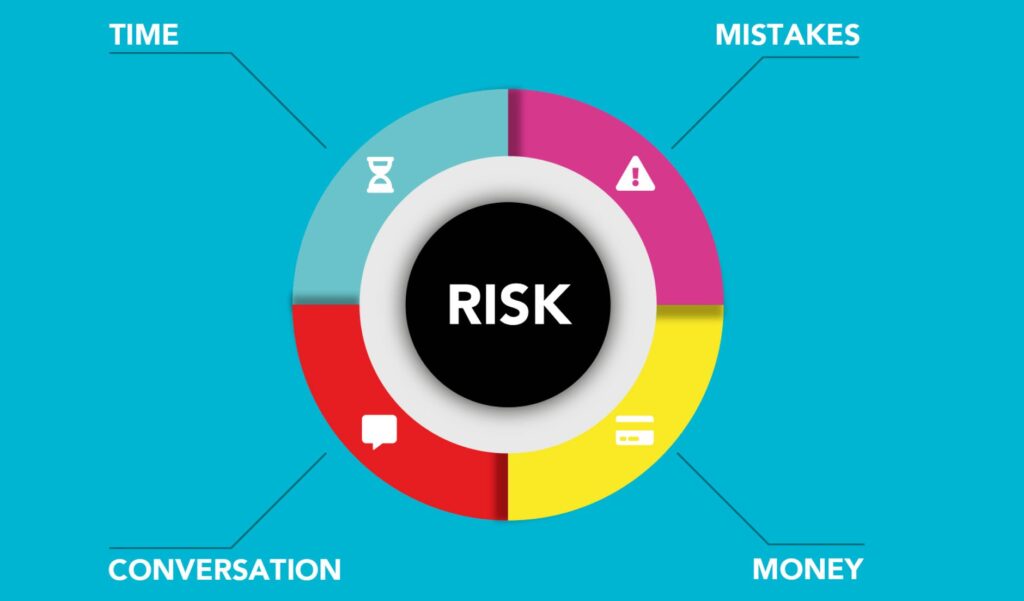
Common Mistakes That Can Lower Your Settlement
Avoiding Pitfalls During the Claims Process
Claimants often make several common mistakes that can significantly diminish their personal injury settlement. One of the most frequent errors is failing to gather comprehensive documentation of medical treatment and expenses. Inadequate records can weaken your case by making it difficult to establish the full extent of your injuries and their financial implications. Additionally, not keeping a detailed account of how the injury has affected your daily life may lead to undervaluation of your claim.
Another critical mistake is rushing into a settlement without fully understanding the long-term consequences. Insurance companies may offer quick settlements that seem appealing but often do not account for future medical costs or lost wages. Accepting such offers can result in lower overall compensation than you deserve. It’s essential to thoroughly evaluate all claim value determinants before agreeing to any settlement.
How to Strengthen Your Case
To avoid these pitfalls and bolster your case, ensure you collect all relevant evidence, including medical records, photographs of injuries, and witness statements. Document every aspect of your injury’s impact on your life, from pain and suffering to lost income. Consult with a personal injury attorney who can guide you through the complexities of the claims process and help you assess the factors injury claim settlement that influence your case.
Moreover, maintaining clear communication with your healthcare providers about your condition can provide additional support for your claims. By addressing these common mistakes and strengthening your position, you can enhance your chances of achieving a fair settlement that accurately reflects the true costs of your injury.

For further insights into the claims process and how to maximize your settlement, consider exploring additional resources available on our site. Top 5 Factors Influencing Your Injury Claim Settlement
Conclusion: Maximizing Your Injury Claim Settlement
Understanding the factors injury claim settlement can significantly influence the outcome of your case. These factors encompass various aspects such as the severity of your injuries, the extent of medical bills, and the impact on your daily life. Recognizing these settlement factors allows you to approach your claim with clarity and purpose, ultimately enhancing your chances of securing a favorable settlement.
Being proactive in the claims process is essential. Gather all pertinent documentation, including medical records, bills, and witness statements, to support your case. This comprehensive preparation can serve as crucial evidence when negotiating your claim value. Additionally, do not hesitate to seek legal advice. An experienced attorney can help you navigate the complexities of the claims process and advise you on key claim value determinants specific to your situation.
Ultimately, a well-informed approach can make a significant difference in your personal injury settlement. Consider all relevant factors and be prepared to present a compelling case. By doing so, you not only maximize your claim’s potential but also ensure that you receive the compensation you rightfully deserve.

Understanding the various factors affecting your injury claim settlement is crucial for securing the compensation you deserve. From the severity of your injuries to the specifics of liability, these settlement factors play a significant role in determining the overall claim value. Knowing these claim value determinants can empower you to navigate the complexities of the claims process more effectively.
As you prepare for your personal injury settlement, consider consulting with a qualified attorney who can help assess the unique aspects of your case. They can provide invaluable guidance on how to maximize your settlement based on these factors injury claim settlement. Taking this step can significantly influence the outcome and ensure that you achieve a fair resolution for your situation.
“`html
What factors affect my injury claim settlement?
Several factors can influence your injury claim settlement, including the severity of your injuries, the medical expenses incurred, lost wages, and the impact on your quality of life. Additionally, liability issues, insurance policy limits, and the negotiation skills of your attorney can also play significant roles. Understanding these factors can help you better prepare for the settlement process.
How do medical expenses influence my claim value?
Medical expenses are a crucial component of your claim value as they directly reflect the costs associated with your treatment. This includes hospital bills, rehabilitation costs, medications, and any future medical care you may require. The more extensive and documented your medical expenses are, the stronger your case becomes, potentially leading to a higher settlement amount.
What are common settlement factors in personal injury cases?
Common settlement factors in personal injury cases include the extent of injuries, the degree of negligence exhibited by the other party, insurance coverage limits, and any evidence supporting your claim. Additionally, factors like witness testimonies, the impact of injuries on daily life, and the length of recovery time can also significantly affect the final settlement amount.
How can I negotiate a better settlement offer?
To negotiate a better settlement offer, gather all relevant documentation, including medical records and evidence of lost wages. Be prepared to articulate how the accident has affected your life, both physically and emotionally. Consider working with a personal injury attorney who can leverage their experience and negotiation skills to advocate for a higher settlement. Always remain calm and reasonable during negotiations.
What mistakes should I avoid in my injury claim?
Avoid common mistakes such as underestimating your injuries, accepting the first settlement offer without negotiation, and failing to document all medical expenses. Additionally, do not discuss your case publicly or on social media, as this can negatively impact your claim. Finally, make sure to consult with a personal injury attorney to avoid missing critical legal steps in your claim process.
When should I hire a personal injury attorney?
Hiring a personal injury attorney is advisable soon after your accident, especially if you have sustained serious injuries or if liability is disputed. An attorney can help you navigate the complex legal process, gather evidence, negotiate with insurance companies, and ensure that your rights are protected. Having professional representation can significantly improve your chances of receiving a fair settlement.
“`